
Local

Wednesday, March 8, 3-5pm
Following the International Women's Strike Solidarity Teach-in, the Columbus Coalition for International Working Women's Day is calling for a rally on OSU's campus.

Monday, March 6, 6:45pm
Northwood-High building, 2231 N. High St., parking in "R" spots in rear
We will watch the award winning film "Peace Officer" and follow up with a group discussion on the abuse of SWAT teams and how should majority white communities deal with their own experience of police violence? How can these communities find the proper way to build solidarity with other over policed and marginalized groups?
Peace Officer is a feature documentary about the increasingly militarized state of American police as told through the story of William “Dub” Lawrence, a former sheriff who established and trained his rural state’s first SWAT team only to see that same unit kill his son-in-law in a controversial standoff 30 years later. Driven by an obsessed sense of mission, Dub uses his own investigative skills to uncover the truth in this and other recent officer-involved shootings in his community while tackling larger questions about the changing face of peace officers nationwide.
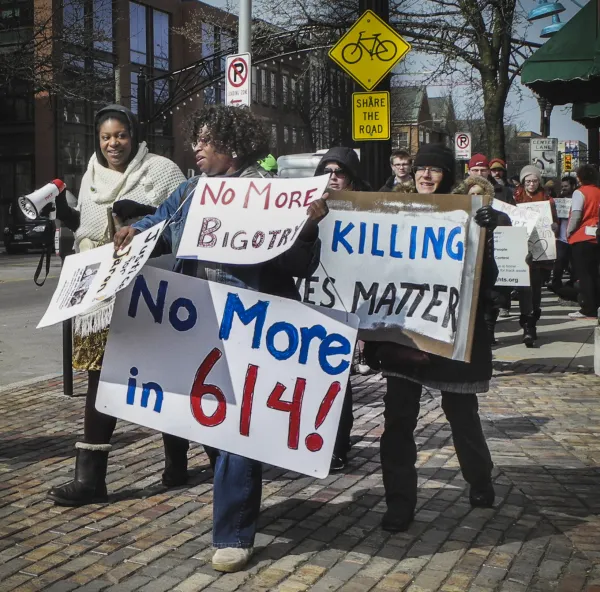
Bodybuilders and sports fans at the Arnold event stood dumbfounded outside the Columbus Convention Center Saturday afternoon as the "No More in 614" demonstrators marched by holding signs saying "Black Lives Matter," "No Homeless Children," "Don't Frack the Wayne National Forest" and other demands to our local government. They chanted "No hate, no fear, immigrants are welcome here!" which could be interpreted either as a response to Trump's call for deportations, or a welcome to our country to Arnold himself. A few Arnold-goers yelled "Make America Great!" while others looked surprised, and a few gave the protestors a thumbs up.

Sunday, March 6, 6pm
2120 E 5th Ave, Columbus, OH 43219-2577
Join the Central Ohio Worker Center (COWC) for an evening of community and great food.
The COWC has a simple but bold vision: to create a city where all laborers and immigrants are respected, valued, and included.

Saturday, March 4, 12 noon.
Goodale Park Gazebo (near Buttles and Park) 101 Buttles Ave, Columbus, Ohio 43215
FACEBOOK EVENT

We live in surreal times. Columbus’ Mayor pronounces our city safe for immigrants and an area of opportunity for all – on the same day Columbus police corral and mace anti-Trump travel ban demonstrators putting protestors, including children, at risk. Ginther pledges to make Columbus a premier middle-class city at his State of the City address – when at the same time giving away $68 million in tax abatements to wealthy Easton developers.
A city-sponsored review of the city charter pays lip service to the fact that Columbus should finally become more democratic and representative through district elections joining every other major city nationwide – but recommend all district-based candidates run citywide.

I learned on the radio today that had he lived, Kurt Cobain would have been 50 years old on February 20, 2017. While it didn't really tug at the heartstrings or inspire a nostalgia trip, it brought to mind a conversation I had a few years back.
I was sitting at the Little Palace with a Dennison student who had some sort of connection with my Uncle Bill. She was taking a bus to NYC that would be picking her up down the street, and my wife had insisted that I stay with her she got on board. We got to talking about music. She was an enthusiastic proponent of the string band revival which at the time was approaching its high water mark, and in my view also approaching tedious. At some point she asked me what I was listening to when I was in High School, paused a split second, and said “Nirvana, right?” Well, I thought, that’s a really interesting question.
I learned on the radio today that had he lived, Kurt Cobain would have been 50 years old on February 20, 2017. While it didn't really tug at the heartstrings or inspire a nostalgia trip, it brought to mind a conversation I had a few years back.
I was sitting at the Little Palace with a Dennison student who had some sort of connection with my Uncle Bill. She was taking a bus to NYC that would be picking her up down the street, and my wife had insisted that I stay with her she got on board. We got to talking about music. She was an enthusiastic proponent of the string band revival which at the time was approaching its high water mark, and in my view also approaching tedious. At some point she asked me what I was listening to when I was in High School, paused a split second, and said “Nirvana, right?” Well, I thought, that’s a really interesting question.
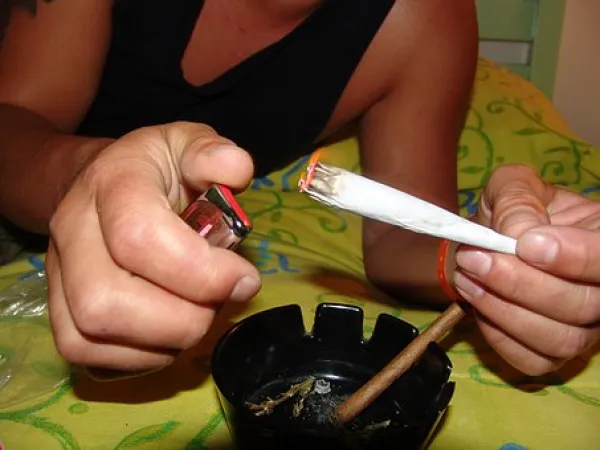
The warning sounded ominous: “… three unresponsive persons calls in the last 24 hours. The common denominator appears to be marijuana laced with an unknown opiate. The victims are unaware they are using anything other than marijuana but are overdosing like they had used heroin or fentanyl. Be cautious and call 911 ASAP if you suspect an overdose.”
Yikes. So I read a post on the Facebook page of the Painesville Township Fire Department on February 8, 2016.
Fair? Ohio has indeed been hit hard by the opioid crisis. A recent study by the Kaiser Family Foundation accorded Ohio the dubious distinction of having highest number of annual opiate-related deaths – some 2,106. This tragedy has touched countless families and stretched the limited resources of first responders like fire departments.
On first blush, the warning had the community interest at heart. Or did it?
Within a few hours, the post had gone viral. As of this writing, 4,846 shares, 259 likes and 120 comments, for an organization that received only one congratulatory note for its 50th anniversary.
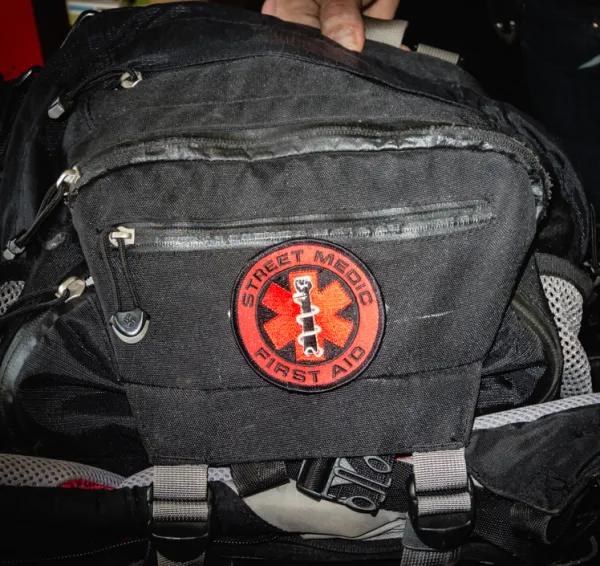
Just days after the Columbus police pepper-sprayed hundreds of protesters near the Statehouse who were rallying against Trump’s executive order on immigration, two Street Medics led a Health and Safety Workshop for protesters in a packed room at the Free Press office. Interest was intense in the workshop, organized by Columbus Citizens for Police Review (CCPR). Many workshop participants had also participated in the protest. Below is a smattering of the wisdom from presenters Gabriel and Allison, who declined to have their last names used or to be photographed, since police have been known to target Street Medics.
Biggest Medical Issues.Over many years and many protests, Gabriel and Allison have found that the biggest medical issues are dehydration and sunstroke. Advice: Hydrate. Drink a lot of water beforehand, for days – hydrate well because cannot rehydrate quickly in the moment – no caffeine, no alcohol. You may need a liter of water per hour during a protest. Pepper spray and mace are exceedingly painful but rarely cause permanent harm (unless you are wearing contact lenses or have a medical condition such as asthma).