
Local
January 20, 2017 7:30 pm - Columbus Mennonite Church, 35 Oakland Park, Columbus, OH 43214
GIVE WHAT YOU FEEL, so everyone can attend. The recommended donation for this event is $20.
Gird yourself for the coming struggle to preserve basic human rights and equal justice. The Kate Schulte Foundation presents Warriors for Justice in an inauguration day benefit for the Southern Poverty Law Center (SPLC) and the ACLU. Many of Columbus’s finest performing artists will help support the SPLC's efforts fighting anticipated assaults on equal rights by the federal government. Featuring the Jazz Poetry Ensemble, Mark Lomax II, Donna Mogavero, Warriors for Justice a Capella (Debra James Tucker, Vicki Saunders, Tia Harris-Roseboro), Miller-Kelton Redux, Paisha Thomas, the Columbus Liberation Music Orchestra, and more. Rise Up And Resist – A Counter-Inaugural Event
Rise Up and Resist is the first of many Kidd Jordans Place events! We want these events to be accessible to people of all income levels. Door tickets will be be Give What You Feel with no minimum donation.
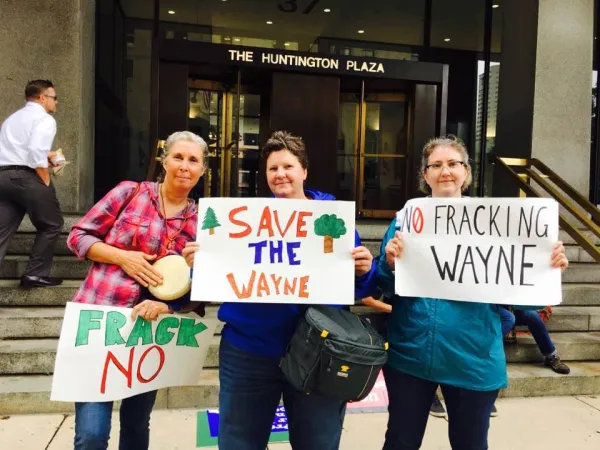
Tuesday, January 17, 6:30pm, Northwood-High Building, 2231 N. High St., Rm. 100
Join Ohio Revolution and a long list of interested organizations and parties as we discuss and coordinate strategies to address fracking in Wayne National Forest following the Bureau of Land Management’s auction of leases for 17 parcels of the forest to oil and gas corporations in December.
Free parking is available in the “R” spaces — “R” for “Rardin Clinic” — behind the building.
https://www.meetup.com/Save-Wayne-National-Forest/events/236413233/?rv=ea1
Facebook Event
Ohio Revolution
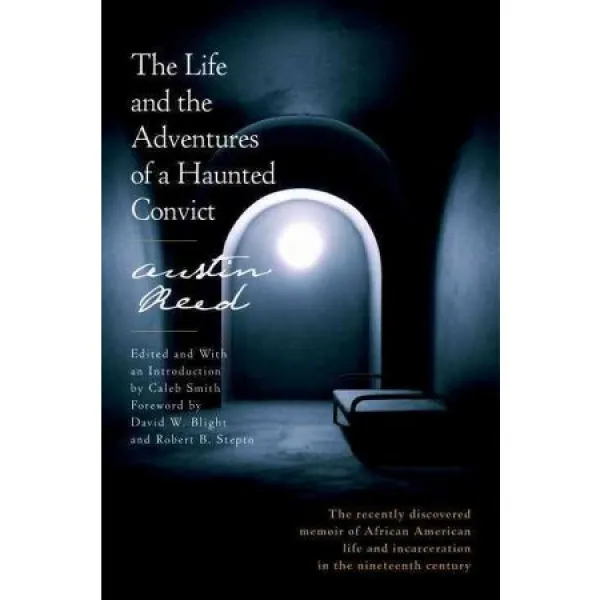
Most Americans never learned that there was slavery in the northern United States. Half of all slave voyages docked in tiny Rhode Island, and slave owner James DeWolf of Bristol, Rhode Island was said to be the second richest person in the U. S. at the time he died in1837. He was a merchant, founded a bank and an insurance company, and owned a rum distillery; all of these profited from his status as a slave trader. Several branches of the DeWolf family were also heavily involved in the slave trade. The DeWolfs were said to have transported twelve thousand slaves from the middle of the seventeenth century through the early 1800s. This alone made them the most successful slave trading family in the country. However, in spite of a small number of wealthy and influential slave owners, and for various other reasons, slavery never became as entrenched in the north as it did in the south. This made it easier for northerners to divorce themselves from the peculiar institute.
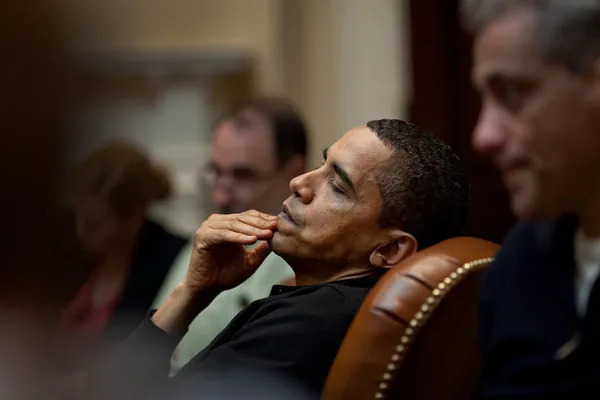
Can you name the President who added 10 millions jobs in his eight year term where 94% of the jobs were temporary with little to no benefits? (as per study by Harvard University L Katz and Princeton University economist A Krueger)
Can you name the President since 1980 whose administration saw the widest gap between income for black men versus white men in the USA? (as per study by University Chicago economist KK Charles and Duke University economist P Bayer)
Can you name the President since 1988 whose administration reduced the USA nuclear stockpile the least? (Pentagon figures -hint – this President has also initiated nuclear upgrades that will cost over $1 trillion dollars)
President-Elect Donald Trump’s cabinet nominees are a basket of deplorables. Senator Jeff Sessions of Alabama is up for Attorney General even though he is well-known as being racist. Ben Carson, nominated to run the Department of Housing and Urban Development, is vehemently anti-intellectual despite his history as a successful neurosurgeon. Betsy DeVos has been selected as the next Education Secretary after advocating for shutting down public schools in favor of for-profit charter establishments. None of those individuals, as well as the rest of Trump’s picks, should be anywhere near positions of power. However, they have the right to a fair, unbiased confirmation process just like all other nominees.
With the mind fogging meme of “Russian Influence,” we are avoiding a fact-based analysis of the 2016 election at our own peril.
Treason doth never prosper: what's the reason?
Why, if it prosper, none dare call it treason.
Sir John Harington 1561-1612 - (Also credited with being the inventor of the flush toilet.)
Tragedy, Comedy and Farce All Rolled Into One
The official mythic revisionism of the recent US electoral debacle now seems to be settling firmly into place: Putin did it – the outcome was a result of ‘Russian influence.’
One can see how the Russian Influence Mind Fogging Meme might be mutually convenient for the elites of both parties to unite behind.
For the Dems it deflects attention away from their terminal corruption and incompetence.
For the GOP it deflects attention away from their gargantuan election theft apparatus, patiently assembled by the ruthless radical right-wing billionaires over the past decades .
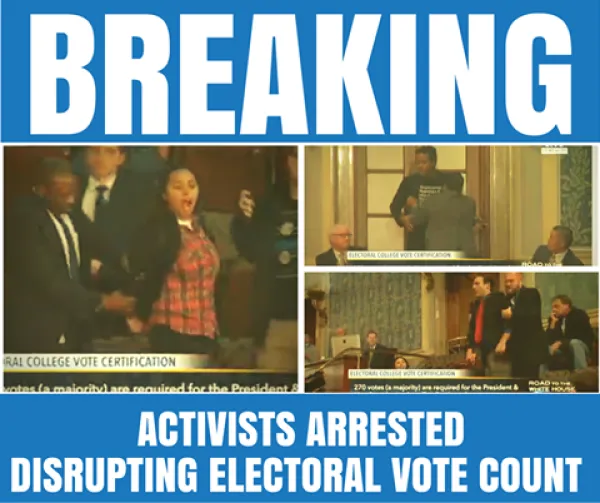
Washington, DC – Three activists with Democracy Spring disrupted Congress today, issuing a citizens’ objection to the Electoral Vote count. They were detained and arrested by Capitol Police after standing up in the House chamber protesting massive voter suppression and Russian interference in the election. The interruption of the joint session took place after members of the House objected to nine different state vote counts.
“I will do what I must to defend our democracy.” said Tania Maduro, an organizer with Democracy Spring who took part in the protest. “I object to this Electoral Vote. Hundreds of thousands of American votes, especially those cast by people of color, were suppressed. We need a One person, One vote democracy.”
The Russian election hack may be a “red herring” so to speak. Visions of a new Cold War and appeals to Mother Russia aside (see this issue’s cover), the real problem is private, partisan, for-profit vendors secretly programming the computer hardware and software used in our elections.
Why is this so difficult to see? In Ohio, the Right-to-Life movement has long been active in voter registration databases, ePolling books, central tabulator and computer voting machine maintenance through companies like Triad and GovTech.
When dozens of computer security experts like Alex Halderman, professor at the University of Michigan, tell us that our elections are easily hackable, why don’t we believe them?
So Russians aside, let’s look at the history of computer voting in the U.S.
To understand the history of voting machines, we need to go back to the beginning of the Cold War. In 1950, the Bureau of Social Science Research (BSSR) appeared at American University. In 1953, it became a non-profit entity heavily involved with the CIA.
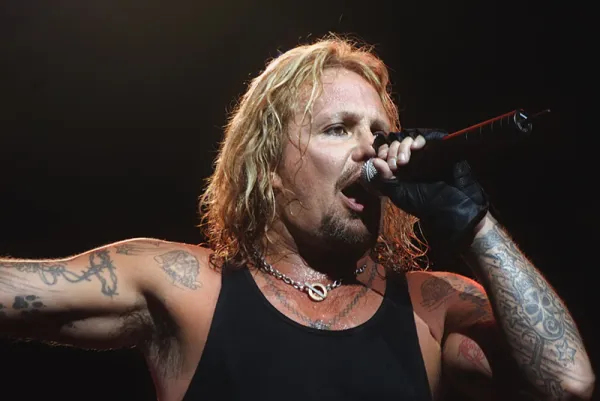
The year was 2001. My wife and I were both second-year law students at Ohio State, and had just had our first date at what was then the Thirsty Ear Tavern. Casting around for second date plans, I learned that my old guitar teacher’s band was opening up for Motley Crue frontman Vince Neil at the Alrosa Villa. Oh great, I thought, this ought to be hilarious.
Exactly what Neil, who had just gotten off of a world tour with Crue, was doing playing an 800-person capacity club with a group of hair band hacks is an open question. It wasn’t a side project, as he was only playing Crue songs. Maybe he needed beer money? In any event, it was a mess of a show.
Neil was an astonishing ass who couldn’t sing for shit, and my wife still talks about the horrors in the woman’s restroom. Seared in my mind is this weird look of disappointment his guitar player had when a woman in the crown refused to take his suggestion to remove her shirt. In fairness, this was all sort of the point in going.
“We move toward a lofty ideal. On some great and glorious day the plain folks of the land will reach their heart's desire at last, and the White House will be adorned by a downright moron.” -- H. L. Mencken (Baltimore Sun 26 July 1920)
"Those who can make you believe absurdities can make you commit atrocities." – Voltaire
“A nation can survive its fools - even the ambitious. But it cannot survive treason from within. An enemy at the gates is less formidable, for he is known and he carries his banners openly. But the traitor moves among those within the gate freely, his sly whispers rustling through all the galleys, heard in the very hall of government itself. For the traitor appears not a traitor — he speaks in the accents familiar to his victims, and wears their face and their garment, and he appeals to the baseness that lies deep in the hearts of all men. He rots the soul of a nation — he works secretly and unknown to undermine the pillars of a city — he infects the body politic so that it can no longer resist. A murderer is less to be feared.” -- Cicero (42 B.C.)