
Local
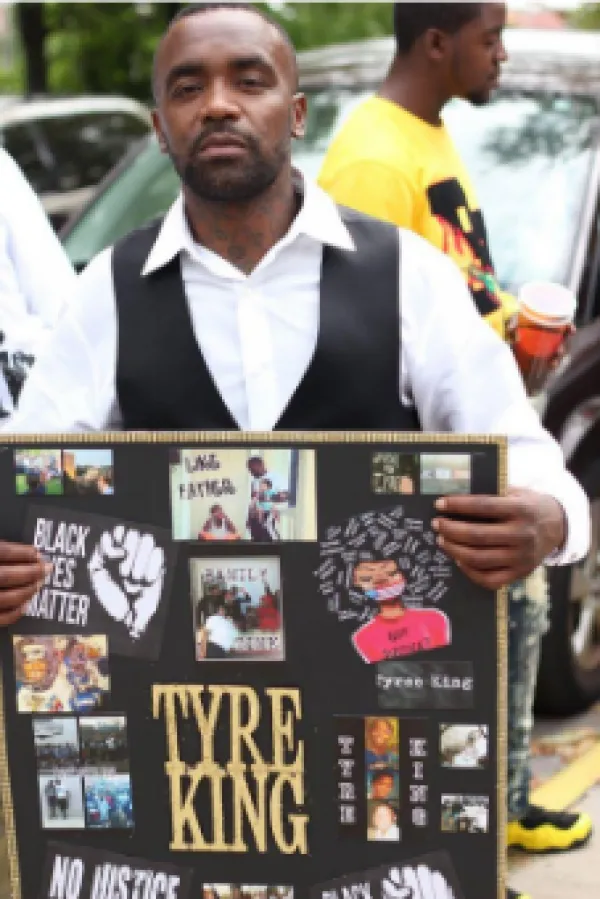
As the Holiday Season approaches this year, the family of Tyre King is anticipating a very rough time in their lives. “Tyre was one of the best parts of the holidays,” according to Dearrea King, Tyre’s maternal grandmother. “His birthday is December 7 so he was born right around the holidays. He was always such a joy to be around. He made it fun to prepare for the season because he was always excited about spending time with family and eating all that good food.”
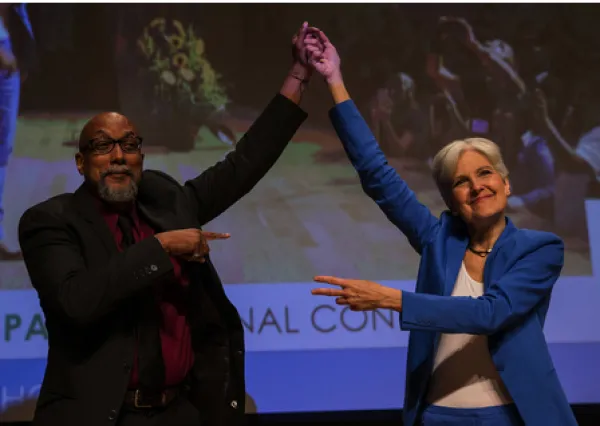
Stein/Baraka Campaign Launches Recounts in Wisconsin, Michigan, and Pennsylvania to Restore Confidence in our Voting System
Today, the Stein/Baraka campaign announced their intent to file for a recount of votes in the battleground states of Wisconsin, Michigan, and Pennsylvania, leading a multi-partisan effort to check the accuracy of the machine-counted vote tallies in these states in order to ensure the integrity of our elections.
Jill Stein observed, “After a divisive and painful presidential race, reported hacks into voter and party databases and individual email accounts are causing many American to wonder if our election results are reliable. These concerns need to be investigated before the 2016 presidential election is certified. We deserve elections we can trust."

We live in a racist patriarchy. If you followed the 2016 Election and possess any sense of social justice, that is obvious. Those of us who are white and heterosexual have a distinct advantage over those who are not; those of us who are cis male are even more privileged.
Many of us who possess such privilege are deeply troubled that our friends without privilege are discriminated against. Many people like me have expressed interest in moving to Canada to escape the current political climate of hate. However, moving to Canada is the pinnacle of privilege. If the we move to Canada, we are abandoning our friends to avoid witnessing their suffering.
Trump’s appeal is based on privilege.
Trump’s hate machine is focused on people who do not possess privilege. If you would actually be able to move to Canada, you are privileged. You will be fine. The non-privileged need you here. (With that said, there are certainly exceptions to this, especially within the LGBT community.)
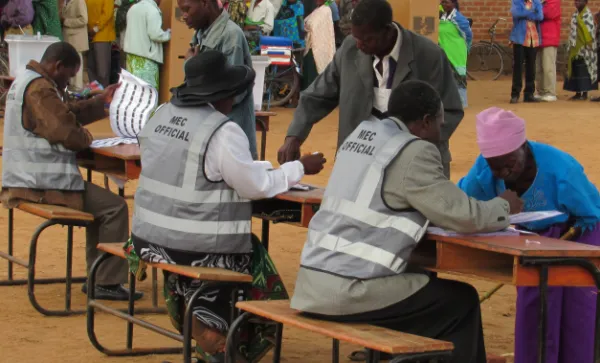
If this year's U.S. presidential election was held in a foreign nation, the U.S. State Department would not certify it as a "free and fair election." If this occurred anywhere else in the world the report by our government would conclude that there is a "suspicion of fraud or error."
On Monday, November 7, 2016 the U.S. government denounced elections in Nicaragua, stating that they were “deeply concerned by the flawed presidential and legislative electoral process” and that they were concerned there was no “possibility of a free and fair election” in that country on November 6. The statement explained that: “In advance of the elections, the Nicaraguan government sidelined opposition candidates for president, limited domestic observation at the polls and access to voting credentials, and took other actions to deny democratic space in the process. The decision by the Nicaraguan government not to invite independent international electoral observers further degraded the legitimacy of the election.
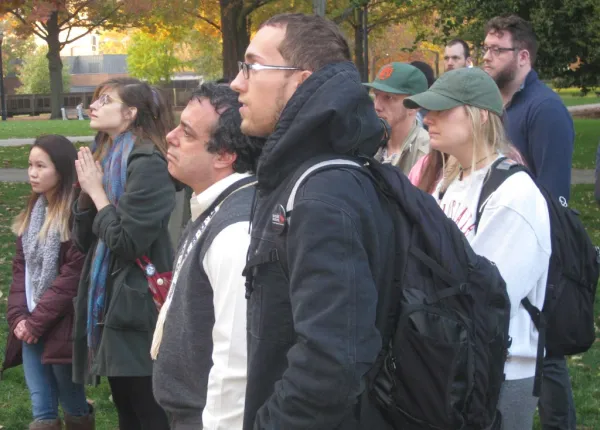
In Columbus, the looming Donald Trump presidency has added urgency and intensity to protests of the Dakota Access Pipeline. On November 16 the student group Socialist Students organized a demonstration on the Ohio State University campus.
“They’re building the pipeline through sacred Sioux burial grounds,” said Socialist Students member Mia Zerkle. “This is the equivalent of destroying somebody’s church, or disrupting the Arlington National Cemetery. This is infringing on their rights and everything they believe in.”
“This isn’t only an issue about the environment,” said Rachel Rouwenhorst, who studies ecology and evolution at OSU. “This is about Native American sovereignty. Corporations shouldn’t be putting pipelines through their burial grounds, prayer sites, and water supply.”
Rouwenhorst called for a boycott of the banks that are investing in the pipeline, including CitiBank, Wells Fargo, Bank of America, US Bank, PNC Bank, JP Morgan Chase, UBS, and Goldman Sachs. “You can close your account with them and use a credit union, or a bank that is not funding this pipeline,” she said.
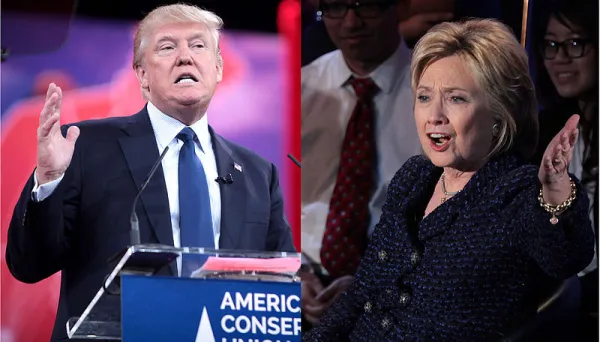
Hillary Clinton's margin of victory in the 2016 vote count continues to climb, at this point well over a million.
But her impending defeat in the Electoral College comes with familiar signs that the election was stripped and flipped.
These indicators include the realities of pre- and post-election polling; the massive stripping of primarily black, Hispanic and Asian-American voters from computer generated registration rolls mostly maintained by private partisan companies; unverifiable "black box" electronic voting machines and central tabulators, also mostly manufactured and maintained by private corporations, and much more.
Were this election held in any other country, the US State Department and independent monitors from around the world would denounce it as a fraud, and contemplate international intervention.
The Electoral College
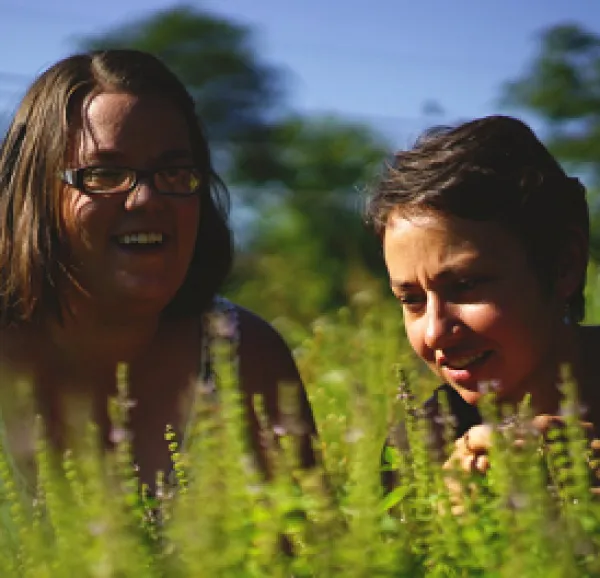
US Secretary of Agriculture Tom Vilsack recently announced 2016 USDA Rural Development grant awardees including just two recipients in Ohio. Kate Hodges and Rachel Tayse of Columbus urban farm Foraged & Sown are among this year's Value Added Producer selection, for their project Preserving Wild Flavors and Nordic Traditions.
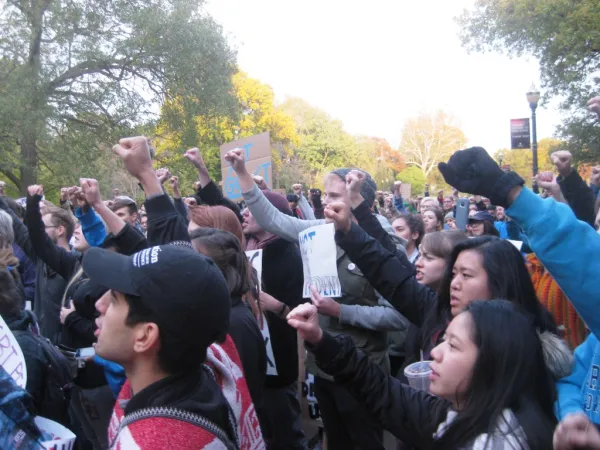
Last Wednesday morning, Donald Trump defeated Hillary Clinton in the presidential election. On Wednesday night there began protests against the idea of a President Trump all over the country. These demonstrations have spread here to campus.
There are protests because people feel like they have something to say. Or at least, that they have to say something. What is being said is not groundbreaking, but it serves as an affirmation that the words have not lost meaning since Nov. 9. People shouting at Trump Tower and proclaiming “#NotMyPresident” know both that this will not cause him to change his behavior, and that he actually is their president. But they also know that the most feasible future for Progressives is a remaking of the Democratic party. And considering the cluelessness of party “elites” (to adopt the nom de guerre of the campaigns) on Tuesday night, it must be a remaking by the people.
Did you miss the Free Press Second Saturday Salon and still want to know more about using your devices and social media for activism?
Even if you attended, you still need this link to the information by our good friends Trane and Kimmy DePriest.
How to Use Social Media for Activism
Some helpful infographics that go further in boosting your social media activism!
Happy Facebooking and all that jazz!
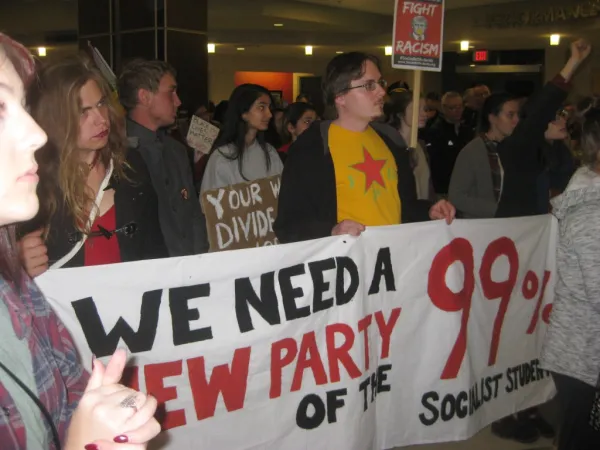
The corporate media has been on a feeding frenzy over the assault of an anti-Trump protester on the Ohio State University campus yesterday. Sensationalism drives page hits and ad revenue, so local and national media have focused almost entirely on the violent incident. Missing from the coverage is why the protesters were there in the first place — what they were trying to accomplish politically.
The OSU Lantern broke the story with a Twitter video which described the incident as a “tackle.” It’s understandable that a student newspaper that covers the OSU Buckeyes would use a football metaphor. But CNN and many other outlets picked up the innocuous-sounding word in their headlines.
It was not a tackle. Timothy Adams (called Timothy Joseph in some reports) was not wearing protective gear. He didn’t land on grass or Astroturf. He landed face-down on hard concrete. It was a violent attack that Adams was fortunate to walk away from with only bruises.