
Local
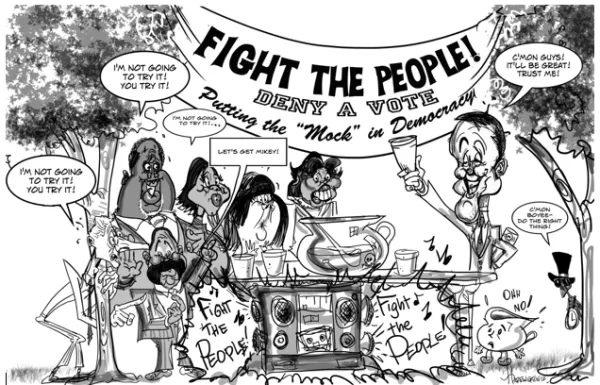
Under the state constitution and the Columbus City Charter, everyday citizens have the right to propose legislation using the citizen initiatives process. In short, if citizens can collect 10 percent of valid signatures from registered Columbus voters, the Columbus City Council is required to put the question on the ballot for a vote. Two groups have recently sought to use those provisions. In a tough year for citizen initiatives, both have failed for lack of sufficient signatures – but those failures exposed apparent manipulations of city government seemingly designed to make the process even more arduous – if not impossible for citizens to exercise their constitutional rights.
City Council President and Mayoral Candidate Andrew Ginther is leading the chorus of citizen suppression, with City Attorney Rick Pfeiffer serving as hype man for the new band, launching “yeah boyyyeeee” whenever Ginther clamps down more on local democracy. Pfeiffer has provided legal ammunition to keep citizen initiatives off the ballot and has tried to strengthen Ginther’s claims that he was not bribed as a Redflex executive said in her federal guilty plea.
Bernie Sanders brought 100,000 supporters together on Wed evening via video conference to 3500 events. Events large and small were held around the country at house parties and larger venues.
Locally, the largest event was held at the Ohio Democratic Headquarters on Fulton Street. The largest room held at least 100 supporters, but more supporters were in adjacent rooms. There were several house parties in the area as well. Signs, stickers, t-shirts and other material was available.
After brief introductions, Bernie gave a short presentation detailing his policy positions. Unlike the other major Democratic contender, Mr. Sanders believes strongly that the US must tackle climate change. He has opposed Kestone XL pipeline consistently for years, and is strongly in favor of supporting renewable energy.
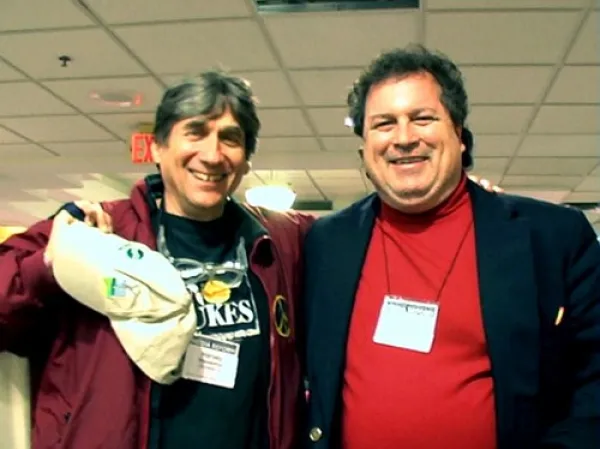
http://prn.fm/solartopia-green-power-and-wellness-hour-why-hillary-cant-win-part-2-07-21-15/ http://prn.fm/solartopia-green-power-and-wellness-hour-why-hillary-cant-win-part-3-07-28-15/ For a good time, see Pete Seeger, Dar Williams, David Bernz & the Rivertown Kidz sing "SOLARTOPIA!" at www.solartopia.org
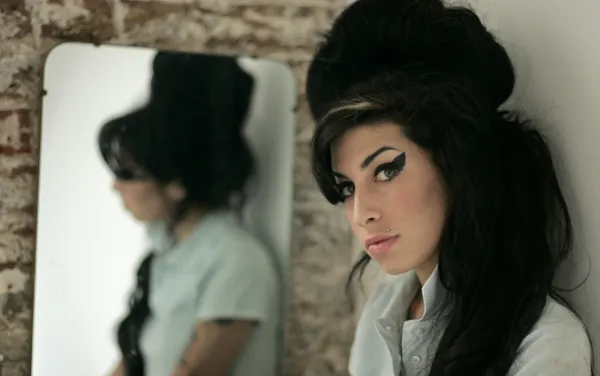
If you ever doubt the importance of good fathering, see Amy.
The documentary is about the sad life of Amy Winehouse (1983-2011), a British singer-songwriter whose name was almost synonymous with “self-destructive genius.” By her own account, she blamed some of her worst tendencies on her father’s failure to be there for her—or her mother, to whom he was unfaithful—when Amy was growing up. Her parents separated when she was only 9.
Of course, good mothering can make up for a father’s absence, but Amy clearly didn’t get that, either. Late in the film, her mother reveals that she learned Amy was bulimic when the girl was 15. So how did Mom respond? Apparently, she didn’t.
Back to the father: As if to make up for his earlier absence, Mitch Winehouse did play a role in Amy’s adult life, but it’s debatable whether he played a good role. At one point, he argued against getting his alcohol- and drug-addicted daughter the rehab treatment she so obviously needed. Later, he seemed more interested in benefiting from her celebrity than in doing what was good for her health and well-being.

“Since many of today’s best-known manufacturers no longer produce products and advertise them, but rather buy products and ‘brand’ them, these companies are forever on the prowl for creative new ways to build and strengthen their brand images…This requires an endless parade of brand extensions, continuously renewed imagery for marketing and, most of all, fresh new spaces to disseminate the brand’s idea of itself,” Naomi Klein, No Logo: Taking Aim at the Brand Bullies
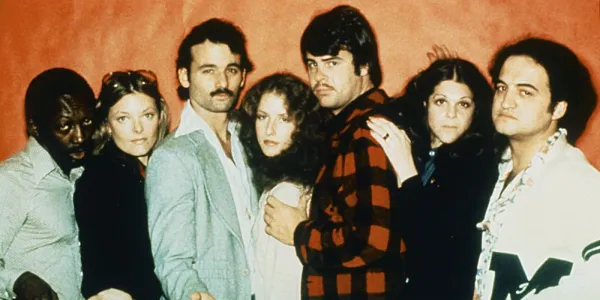
Did Saturday Night Live help to put George W. Bush in the White House? That’s one of the more interesting questions raised by a new documentary about the show’s 40-year history, Live From New York!
SNL has spoofed politicians ever since Chevy Chase stumbled around the stage as an accident-prone President Gerald Ford. But it’s always avoided taking sides. Nevertheless, some people connected with the show wonder whether it helped to influence the 2000 presidential election, in which Bush squeaked to victory despite losing the popular vote to Al Gore.
You may recall that SNL’s versions of the 2000 presidential debates featured Will Ferrell as a dimwitted Bush and Darrell Hammond as a pompous, patronizing Gore. Looking back on the skits for the documentary, Ferrell and others theorize that they gave Bush an advantage by making him seem more just-folks likable than his opponent.
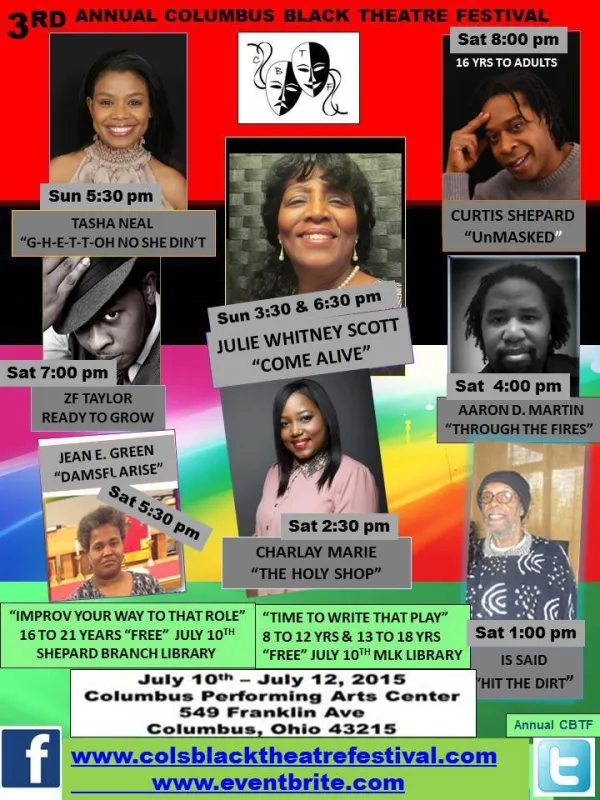
Each year the Columbus Black Theatre Festival deals with topics that pertain not only to the African American community but society at large and this year is no different. The first year of the festival dealt with family themes by playwright Sanika Harris, Tisha Harris and Nanette Hodge. The second year added the struggles of Black business owners and the injustices of African American people with plays by Stefanie Moss, Carol Williams, Tasha Neal and Jasmine Green. The founder of the festival, Julie Whitney Scott, ends each festival on the last day with one of her original plays; 2013 “Secrets of a Dark Skin Sister” which has been accepted in the Silent River Screenplay Competition this year, and in 2014 “The Woes of a Black Race” that dealt with the Zimmerman verdict.
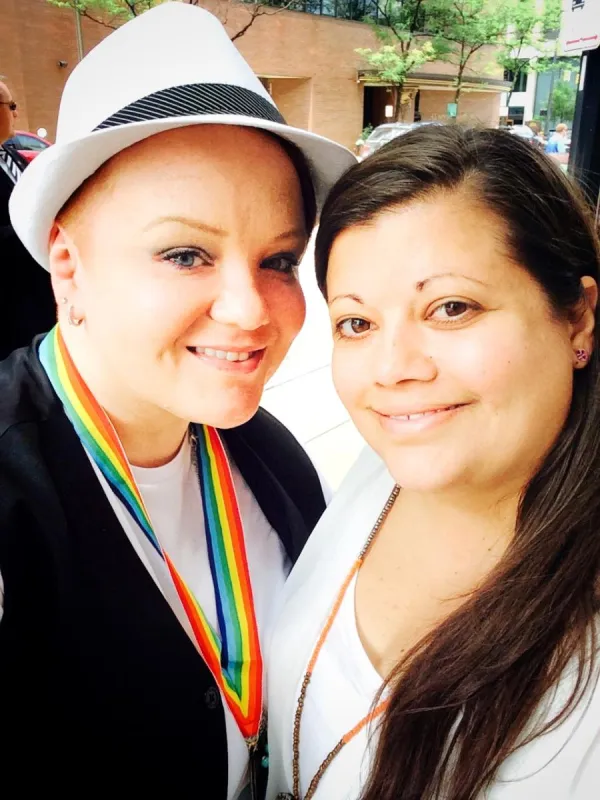
In a tremendous show of solidarity, the Bexley City Council has taken a monumental and pioneering step. On June 23, 2015, the Council passed a non-discrimination ordinance. Ordinance 12-15 bans the discrimination in the city of Bexley based upon sexual orientation, gender identity or expression, national origin, disability, race, age, familial status or military status. The measure passed by a vote of 6-0. Council President Richard Sharpe abstained from voting.
Due to this new ordinance, no one can be refused a job, business service or an apartment in the city of Bexley based on the above listed characteristics. Violators can be fined up to $1000 for their first offense. This new law goes into effect in 30 days.

I do like the fact that while we aren’t a media market but we are given the opportunity to see people before they blow up because of Schoolboy Productions, who now goes by Old Boy Pro.
Tink came to Park Street Columbus, June 20th.
There was a solid line-up of Dominique LaRue, Nes Wordz, Hodgie IIIV and more
People who attended the show where mostly ladies. There was a contingent of people that normally go to rock concerts or underground rap events.
The rock people seemed to have a slight problem with the formatting because they wanted to see Tink and leave.
Tink is a rapper/r-and-b singer from Chicago who mixes 90’s R-and-B with rap styles that sit somewhere between Nikki Minaj’s cadence and Azalea Banks retro-chic.
Tink’s version of “One In A Million” by Aaliyah is not to be confused with the racist and xenophobe David Allen Coe-esqe Guns N Roses song of the same title has just hit radio.
Tink’s version is produced by Timbaland who obviously produced Aaliyah’s original version.