
Arts
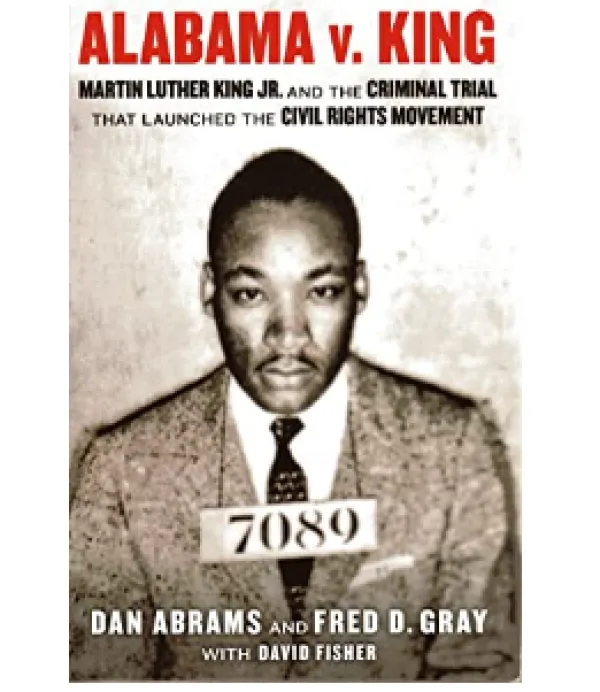
During my decades-long teaching career, I have found that one of the reasons students shy away from history classes is they are afraid they will be forced to “memorize all those dates.” One pair of dates that they had tp grapple with sought to determine the beginning and end of the civil rights movement. Generally speaking, and for efficiency’s sake, the movement is usually placed in the time frame of 1954, when the United States Supreme Court ruled that segregated public schools were unconstitutional in Brown v Board of Education of Topeka, Kansas, through 1968, the year Dr. Martin Luther King, Jr., who had been proclaimed by the media as the leader of the freedom movement, was assassinated. While I suppose this is close enough for government work, it is at best misleading. Any number of incidents are claimed to be the beginning of the civil rights movement. So while I reflexively bristled at the subtitle of Alabama v King, I am always up for reading another book on the freedom movement.
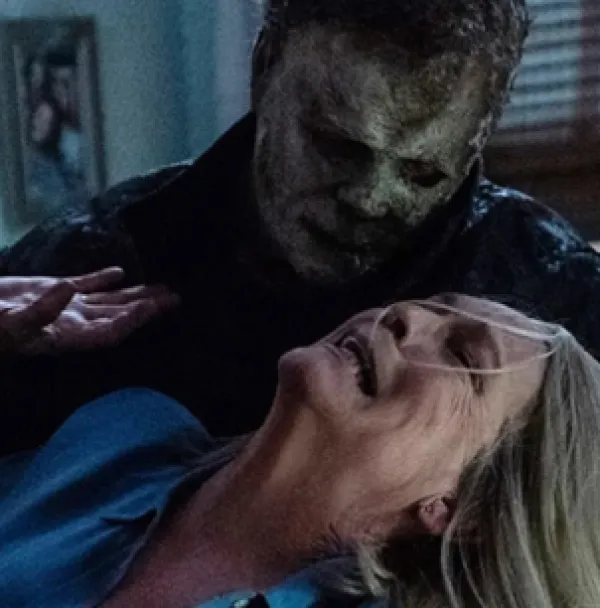
Let's rewind the clocks back to 1978. John Carpenter's "Halloween" kicks off the slasher genre into high gear with inspiration from Alfred Hitchcock's "Psycho. That creates the end of 70s early 80s big slasher hits. Inevitably creating a string of "Halloween" sequels and reboots that even had Rob Zombie directing a trilogy. Fast forward to 2018, and David Gordon Green reinvents the "Halloween" franchise with a focus on PTSD. Jamie Lee Curtis is at the helm of it and centrally involved in the production.
"Halloween Ends" opening sequence felt like a well-put-together short film. Introducing a new key character, Corey Coleman (Rohan Campbell), a babysitter looking after an annoying kid who won't go to bed and wants to watch John Carpenter’s "The Thing" on TV. Not wasting any time attempting to grab your attention, the child tragically dies, setting up Corey as the town's pariah.
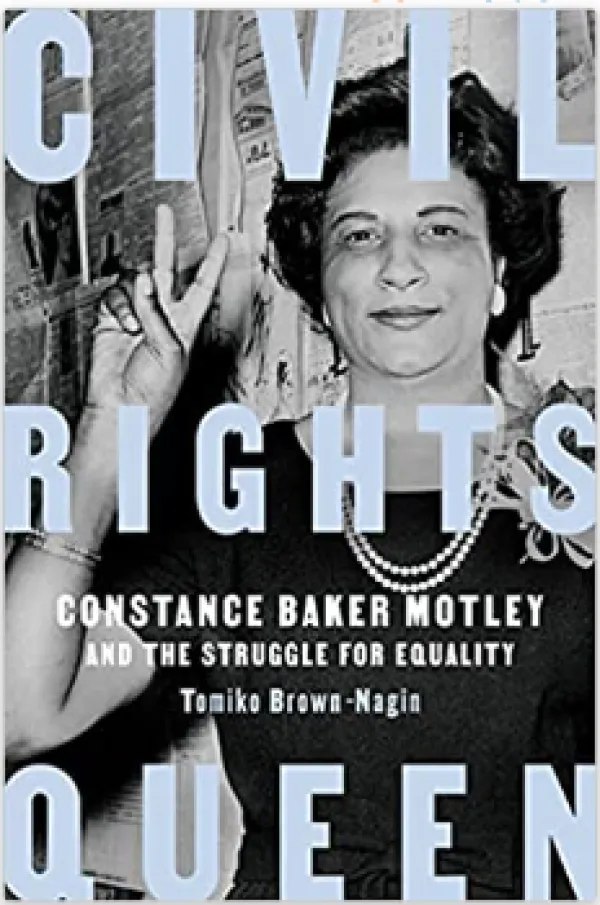
For years I have been wondering when someone would write a book about Constance Baker Motley, one of the most consequential activists in the modern-day freedom movement. Brown-Nagin, Dean of the Radcliffe Center for Advanced Studies and the Daniel Paul Professor of Constitutional Law at Harvard University, has obliged me with a stunning portrait of the woman who came to be referred to as the Civil Rights Queen.

Mystery-thriller “Don't Worry Darling” is Olivia Wilde's sophomore outing as a director; she made “Book Smart,” a brilliant coming-of-age buddy comedy film. Florence Pugh and Harry Styles play Alice and Jack Chambers. They live in what appears to be the fifties, "American Dream" type of home in a town called Victory, a desert-paradise visual look and feel to Palm Springs. It's picture-perfect; all the houses have modern-midcentury architecture and decor, surrounded by pools, palm trees, and never-ending cocktail hours. Chris Pine is Frank, the inspirational leader of the Victory Project.
The men put on their suits and drive off to work in beautiful vintage automobiles, to work at the mysterious Victory Project, which they swear consists of "developing progressive materials." Before their husbands leave, the wives happily send them off with lunch, only to welcome them home at the end of the day with a whiskey, a three-course meal, and whatever else will make them happy.

"Honk for Jesus. Save Your Soul" is based on Writer/Director Adamma Ebo's short from 2018 with the same name, inspired by her complicated relationship with organized religion. Ebo's screenplay critiques the current status of Black churches, but it comes from a place of love.
The film is done in an "Office" styled mockumentary that follows Pastor Lee-Curtis Childs (Sterling K. Brown) of a fictional megachurch and his devoted wife and first lady Trinitie Childs (Regina Hall). Their church was highly successful and once served a congregation in the tens of thousands until Lee-Curtis found himself in a sexual misconduct scandal, which drove away most of his large congregation and inevitably caused those precious donations to disappear. Trinitie stays by his side as they try to rebuild their church and reputation for the Lord, but in reality, to maintain their extravagant lifestyle.
The duo hires an award-winning documentarian to make a film about the weeks leading up to their megachurch's grand re-opening. Of course, their attempt at documenting their comeback journey does not quite go as smoothly as they had planned.
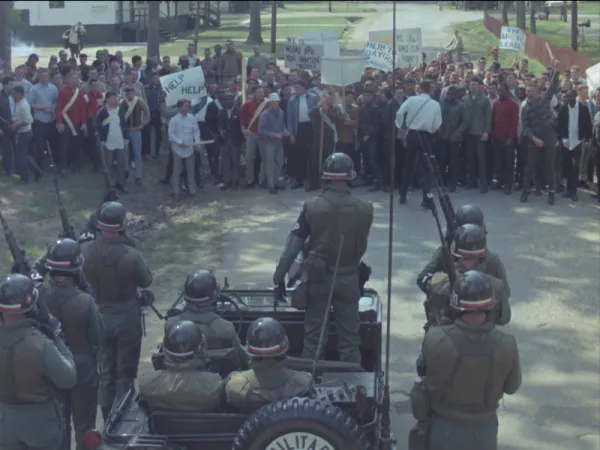
Welcome to Riotsville – a fictional town built by the U.S. military. Using footage shot by the media and the government, the film explores the militarization of the police and the reaction of a nation to the uprisings of the late '60s, creating a counter-narrative to a critical moment in the country's history.
Riotsville, USA, a point in American history when the nation’s rulers, politicians, bureaucrats, and police were faced with the mounting militancy of the late 1960s, and did everything possible to win the war in the streets. Using training footage of Army-built model towns called “Riotsville” where military and police were trained to respond to civil disorder, in addition to nationally broadcast news media, the documentary connects the stagecraft of law and order to the real violence of state practice. Recovering an obscured history whose effects have shaped the present in ways both insidious and explosive, "Riotsville, USA" is a poetic reflection on the rebellions of the 1960s, and the machine that worked to destroy them.
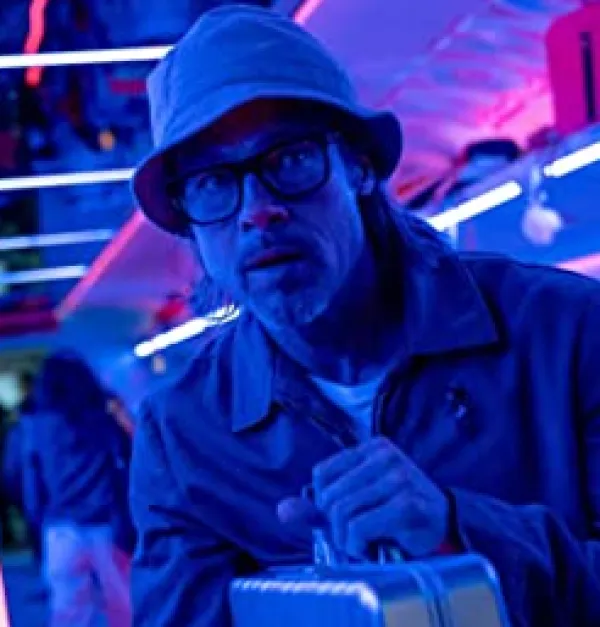
"Bullet Train" is an action-comedy film directed by David Leitch, screenplay by Zak Olkewicz, and based on the novel by Kôtarô Isaka. David leach was once a stuntman and is now making popular action flicks (Atomic Blonde) and (Deadpool 2). Creatively using humor and dazzling methods of acts of violence aboard a high-speed train and the likes of Brad Pitt couldn't save "Bullet Train" from mediocrity.
Brad Pitt plays the main protagonist, Ladybug; a professional assassin convinced he's cursed with "bad luck." After a sabbatical, Ladybug is the new and improved version of himself who no longer wants to do assassin things. His latest mission sends him to Japan to steal a briefcase full of goodies on a high-speed locomotive. An ongoing theme is that he doesn't want to kill anyone, yet miraculously they end up dying bizarrely.

By day, young women show religious devotion through purity and perfection. By night, they form a vigilante girl gang, roving the streets of Brazil to punish sinners. When an attack goes wrong, Mari (Mariana Oliveira) is forced to confront her inner demons.
Mari and her friends broadcast their spiritual devotion through pastel pinks and catchy evangelical songs about purity and perfection, but underneath it all they harbor a deep rage. By day they hide behind their manicured facade, and by night they form a masked, vigilante girl gang, prowling the streets in search of sinners who've deviated from the rightful path. After an attack goes wrong, leaving Mari scarred and unemployed, her view of community, religion, and her peers begin to shift. Nightmares of repressed desires and haunting visions of alluring temptation become undeniable and the urge to scream and release her paralyzing inner demons is more powerful than ever before. A neon-tinged genre-bender that gives provocative form to the overwhelming feminine fury coursing through modern life.
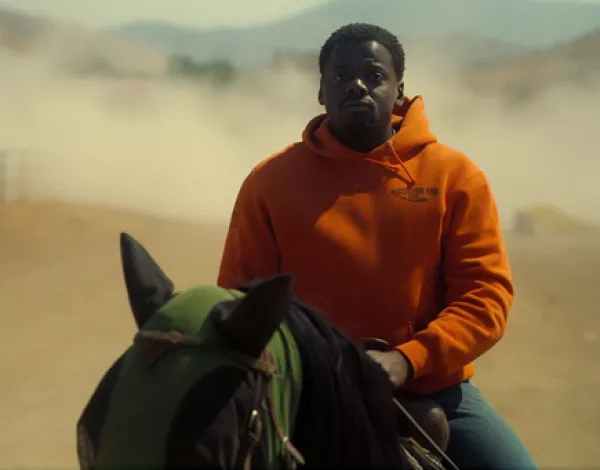
"Nope" is the third film from writer/director/producer Jordan Peele. "Get Out" and "Us" are exceptionally well-crafted films catered toward the horror/psychological thriller genre. "Nope" was inspired by Steven Spielberg's "ET," "Close Encounters of the Third Kind," and M Night Shyamalan's "Signs." Some of Hollywood’s most famous directors have taken flying saucers and mixed science fiction to create cinematic magic UFO stories. Peele's third feature is right on par with his predecessors. "Nope" does have a horror vibe, but this time around, Peele taps heavily into Sci-Fi.
The Haywood family name dates back to the very first "assembly of photographs to create a motion picture," currently, the Hayword Ranch is known for training horses for film and television productions. After the mysterious death of their father, estranged siblings Emerald Haywood (KeKe Palmer) and OJ (Daniel Kaluha) inherit the Haywood ranch. OJ is trying to keep the business afloat and maintain his father's legacy, while Em would rather find fame and fortune in Hollywood.
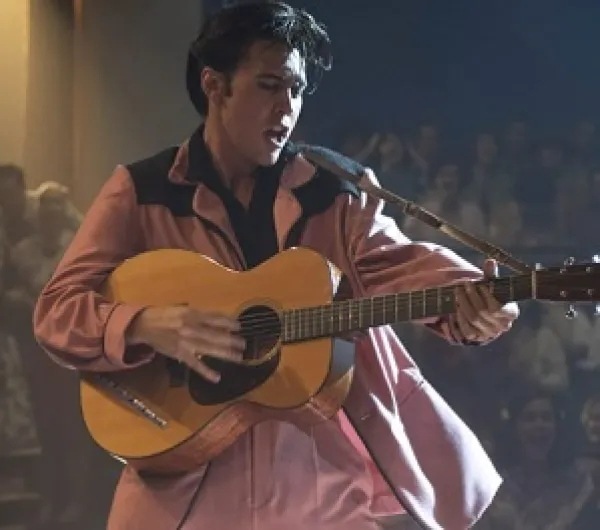
Director Baz Luhrmann (“Romeo+Juliet,” “Moulin Rouge” and “The Great Gatsby”) dials the notches up to 11 to tell the chaotic and electric story of Elvis Presley’s (Austin Butler) rise to unprecedented super-stardom to sudden tragedy in this exuberant biopic “Elvis.” Delving into the many stages of Elvis’ career, from a hip-swiveling sex symbol to a B-movie superstar, to an irrelevant has-been, to the comeback King of Las Vegas, and finally to his tragic death at the young age of 42. Demonstrating the rollercoaster ride of a career. This film will leave you falling in love with Austin Butler’s performance as the king.