
Feature
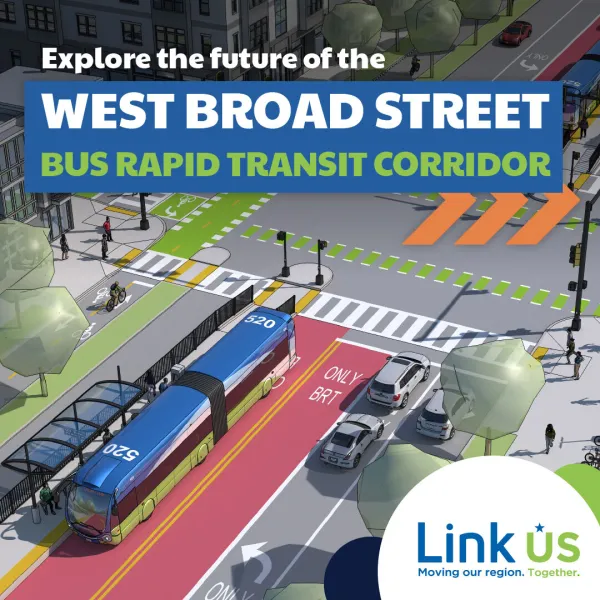
When the activist and preservation group Community Improvement 614 wanted to know more about LinkUS plans for West Broad Street, a federal engineer spoke up, saying, “You won’t recognize West Broad when we’re done, it will look completely different.”
This was a Federal Transit Administration (FTA) engineer talking candidly, and also on that call with Community Improvement 614 were officials from the City of Columbus and COTA, the Central Ohio Transit Authority. Others heavily involved with LinkUS are the Columbus Partnership and MORPC {Mid-Ohio Regional Planning Commission), and construction on West Broad for LinkUS’s first “Bus Rapid Transit” (BRT) line is scheduled to begin in 2026 with its accordion buses running by 2028.
Community Improvement 614 hastily formed last summer after realizing LinkUS could drastically alter West Broad.


Lots of BO from the OBBBA
When President Trump signed the One Big Beautiful Bill Act, or OBBBA, into law on July 4th, he essentially eliminated renewable energy subsidies for residential solar by the end of this year.
Corporate and utility scale solar projects must now be placed in service by the end of 2027. If they begin construction within 12 months of the signing of the bill, they have four years to complete construction and still qualify for the energy incentives.
The question of the moment is, what qualifies as beginning construction?
Developers have relied on what are called safe harbor rules to determine when construction begins. Under these rules, they have two options.
The 5 percent cost method is where the developer must spend at least 5 percent of the cost of the project. Typically, they do this by buying inverters or solar panels and then often these are placed in a warehouse until the actual construction can begin.

One Big Beautiful Bill Signed into Law
The Republican budget reconciliation bill that recently passed both the House and Senate will end all incentive programs and tax credits for the wind and solar industry by the end of 2027.
Commercial and utility scale solar projects already permitted must be completed and placed in service by December 31, 2027 in order to qualify for the 30 percent tax incentive.
Alternatively, if a project has not yet been permitted and it begins construction within one year of the enactment of this bill, then they will have four years to complete that project to qualify for the tax credits.
The bill also eliminates all residential solar tax incentives that are completed after December 31 of this year.
House Rejects Foreign Entity of Concern (FOEC) Restrictions
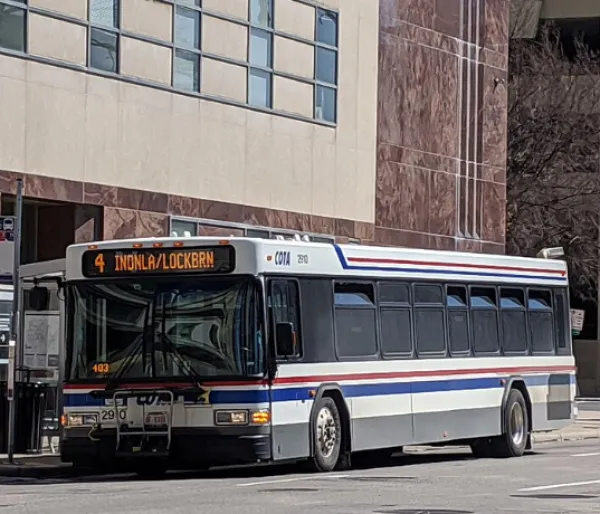
One of Ohio’s most common stigmas is that our drivers are amongst the worst in the nation.
And while data shows that the state’s motor vehicle deaths per capita are relatively low compared to the rest of the country, the empirical issue stems from a gradual increase in vehicular violence since 2013.
The Fourth of July offers a grand teachable moment for educators, especially progressive ones. As an assignment for my summer sociology classes, I would typically have students read Frederick Douglas’ “What to the Slave is the Fourth of July?”; listen to Paul Robeson sing “Ballad for Americans”; and ask them to identify what a citizen’s duty is as explicitly mentioned in the Declaration of Independence. This assignment would likely get me reprimanded, if not fired, today. Yet the liberating truth revealed in these works is more vital today than ever.
Just about everyone is familiar with its opening statement about the self-evident truths that all men are created equal, that they are endowed … with certain inalienable Rights, that among these are Life, Liberty and the pursuit of Happiness. But far too few pay attention to, let alone act upon, what follows: that whenever any Form of Government becomes destructive of these ends, it is the Right of the People to alter or to abolish it, and institute new Government… Yet the 56 signers this revolutionary Declaration did not stop there, but amplified the urgency to confront tyranny by making it a call to duty:
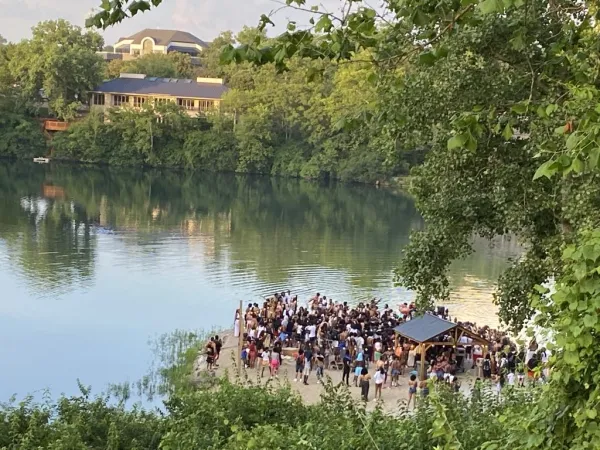
Columbus’s best kept 95-degree day secret was overrun this week by scores of young people at Runaway Bay apartment complex in Grandview. The pop-up party fueled by social media once again exposed a historical reality: There’s too few public spaces and not enough culture for non-privileged young people in Columbus. There are also too few public pools in Columbus, due to lack of funding or greedy developers, such as those who bought out Olympic Pool in Clintonville.
The Free Press is not condoning the illegality of young people taking over a private beach, that by the way is rarely used by tenants, but we are not condemning them as the police-state apologists from Channel 6 WSYX did. Few people are ever seen on this beach probably because Runaway Bay management charges $100-per year to have access.

For weeks, Congress has been wrapped up in passing President Trump’s big, brutal budget — the one that pays for tax cuts for the wealthy and a trillion-dollar Pentagon budget by taking food stamps and Medicaid away from people struggling to get by.
The GOP-controlled House of Representatives just barely passed this bill — it squeaked through by a single vote. Now the Senate is considering it.
Alongside trillions in tax cuts for the wealthy, the bill also gives big handouts to the Pentagon and the president’s plans to separate immigrant families. It would result in the country’s first-ever trillion-dollar Pentagon budget — and triple annual spending on the mass detention of immigrants.

Watch the video of Friday's Ohio Statehouse protest by 50501 for No Kings Day, June 13, 2025
Video by Scot Lacy, Milo Pictures