
Human Rights
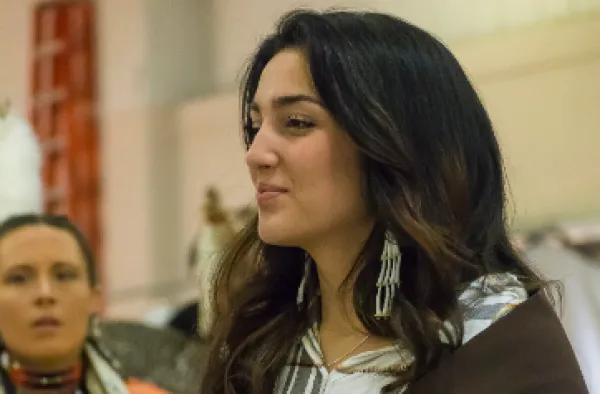
I would like to tell you about a very interesting and well written summary of indigenous resistance in early Ohio, aspirating to intertwine it with current struggles. This reader learned a lot!
The Columbus Worker, offers a particularly worthwhile article on a history of the indigenous resistance throughout what is today Ohio and Indiana, beginning some decades previous to its colonization by the United States and extending up to Tecumseh’s departure from this life.
This online magazine is sponsored by a group called the Central Ohio Revolutionary Socialists, who recently opened their formerly internal magazine to a wider readership. Dylan Vanover’s reasons for broadcasting the History of Indigenous Resistance in Ohio couldn’t be said better or more succinctly than his own introduction.
It seems Columbus’ policing unfortunately follows national trends, incident by incident. Columbus Police actions have become a regressive, dark-mirror version of the country: a week after a jury in Atlanta convicted three men on hate crimes charges for chasing down and murdering 25-year-old Ahmaud Arbery while he was going for a jog, Columbus officer Ricky Anderson shot 20-year-old Donovan Lewis in the stomach while serving the near-juvenile a warrant in the middle of the night. Twenty minutes after news broke that Derek Chauvin had een found guilty of the long, slow murder of 48-year-old George Floyd in Minneapolis, Columbus officer Nicholas Reardon shot and killed 15-year-old Ma’khia Bryant in response to that juvenile’s having called the police to help de-escalate the very situation officer Reardon walked into.
The three men who lynched Arbery were found guilty of murder and hate crimes. In a subsequent trial in Minneapolis, Derek Chauvin plead guilty to having violated Floyd’s civil rights for kneeling on his neck and back for nine minutes while Floyd took his last breaths.

I love music and, like I think anyone raised in America, loves a good celebration. It’s important, though, to keep in mind that many of the celebrations we hold come from having overcome extreme adversity. It’s also important to note the complexities of the people we celebrate.
The first official Martin Luther King Jr. national holiday was celebrated on Monday, January 20, 1986. I was five years old. The national push had hit its peak starting in late September of ‘80, when one of the greatest singer/songwriters of all time, Mr. Stevie Wonder, ended his album Hotter Than July with a track that includes the lyric:
“Because it should never be
Just because some cannot see
The dream as clear as he
That they should make it become an illusion.”
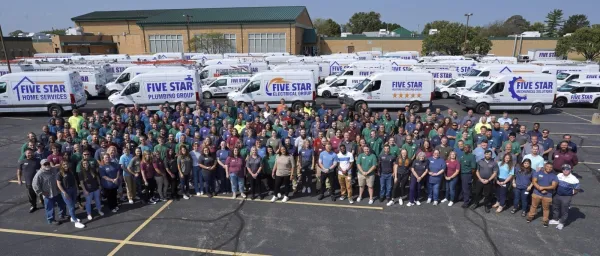
Seeing the current workforce exodus crippling other contractors and the dire need for new approaches to addiction treatment, a group of Columbus-area businesses are backing a very innovative and unique nonprofit endeavor to address both problems and launch the nation’s first recovery center and trade school right here in Ohio.
Although Emerge Recovery & Trade Initiative is located in nearby Greene County, Ohio, a large portion of this nonprofit’s backing and leadership is based out of Greater Columbus and surrounding areas, as dozens of heating, air conditioning, plumbing and electrical companies throughout Central Ohio are funneling portions of their profits into renovations underway at the facility.

Antisemitism signifies hatred of Jews and the ways that hatred is perpetuated, not just through age-old conspiracy theories but also their modern variants espoused on social media and elsewhere. But the International Holocaust Remembrance Alliance (IHRA) supports defining antisemitism in a way that would consider political discourse critical of the Israeli government as antisemitism. In condemning all speech against the Israeli government, the IHRA definition serves to label all critics of Israel and pro-Palestinian activists as antisemites.

I am a straight, white woman who lives in the suburbs. I grew up in Columbus, taught in Columbus schools. But, now, I live in the suburbs. I have no friends here. At one time, I had many. We supported each other, babysat each other’s kids. We planned activities. We shared a common routine in life. We were mothers, who needed a connection to another woman that shared our sorrows and successes in this vulnerable time. I was kicked out of the “neighborhood group” when someone (who happened to be a pastor) asked if it was okay to fly his Blue Lives Matter flag. I said no. Part of my explanation referred to minors who had recently been held by CPD in their van, with no water, no parents for hours because they witnessed a crime (June 22, 2021). I asked these suburban mothers how they would feel if it was their child, desperately trying to get them to relate, have empathy for the mothers who were demanding their children be given back. My friends did not defend me. One said “at least they were released.” For fear of retaliation from my new friends, she said that she wouldn't comment further.
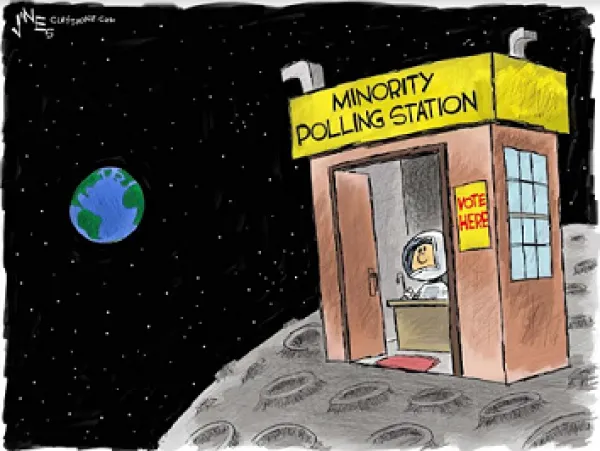
Earlier this week civil rights and grassroots leaders, such as the Ohio Conference of NAACP, released a letter to Ohio legislators urging them to vote “NO” on Substitute HB 458. But both the GOP entrenched Ohio Senate and the Ohio House passed the bill yesterday, posturing this legislation as an effort to combat voter fraud, which is mostly a myth. Governor Mike DeWine is expected to sign the bill into law.

Where I live, the seasons change fast. We’ve barely put away our jack-o’-lanterns in Kansas City when a cold wind blows in from the prairie, bringing down leaves — and soon after that, ice storms and snow.
But no matter how cold it gets, we always look forward to seeing family and friends over the holidays. We all want our homes to be filled with joy, comfort, and the people we love the most.
But many of us will miss someone at the holiday table, because our country’s overdose crisis now touches almost every family and community. Overdoses took over 108,000 lives this year, more than any year on record. Overdose deaths affect all of us — whether we are Black, brown, or white, and whether we live in a big city or a small town.
Every one of these deaths is a tragedy. It’s also a tragedy that so many lives could have been saved with effective and proven treatments like buprenorphine, a form of Medically Assisted Treatment (MAT), the gold standard of care for opioid use disorder. But outdated laws stop providers from prescribing this lifesaving care.
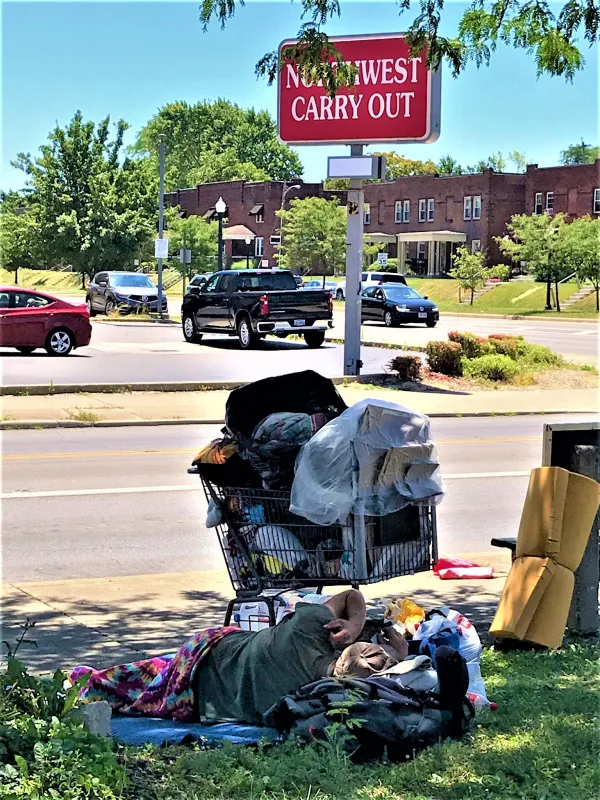
Ohio House Bill 430, pushed by the entrenched Ohio Republicans and passed in September, had a simple enough title: “Regards property development.” It made a slew of changes to the Ohio Revised Code, such as revising laws for orphaned oil wells and designating April as “Ohio Work Zone Safety Awareness Month.”
But as HB 430 wound its way through the legislative process this past summer, the Ohio GOP, with help from the Columbus Apartment Association (lobbyists), slipped in an additional amendment: That no municipality, such as Columbus, may pass or enact any law that “impos[es] or require[es] rent control or rent stabilization.”
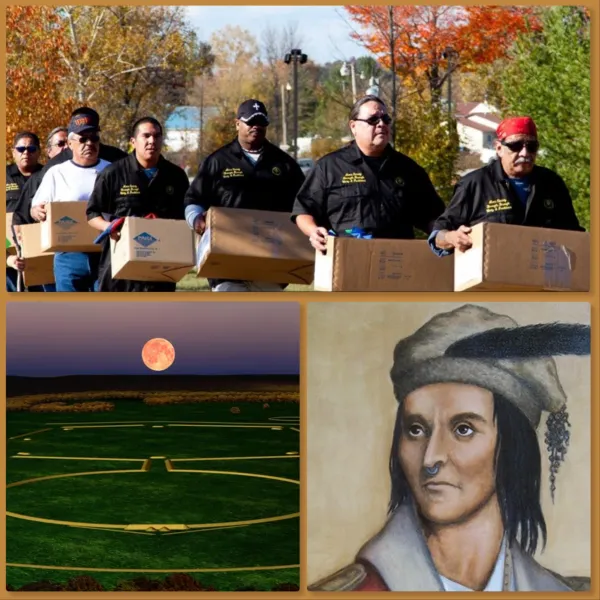
Stored in a nondescript Columbus office complex is a massive cache of Ohio’s most important Native American artifacts. Also stored there are the remains of roughly 7,200 Native Americans whose grave sites were dug up by archeologists or looters over the previous century or longer.
These remains and the 110,000-plus funerary objects found with them have been stored by the Ohio History Connection in near secrecy, but what can’t be denied is what they represent.
That Ohio, and the Scioto River Valley in particular, is hallowed and historical ground for many who claim First Nation ancestry. A history the white man tried to erase with shovels, bulldozers, and his insatiable appetite for more.
“It’s abundant, it’s everywhere, but it’s silent,” said Alex Wesaw of the Pokagon Band of Potawatomi Indians, who was hired in 2020 to run the Ohio History Connection’s American Indian Relations Division, which, surprisingly, was only just established at the end of the last decade.