
Politics

Washington, D.C. – On April 18, a U.S. Court of Appeals protected access to health care and education at Planned Parenthood for tens of thousands of Ohioans.

The Columbus Dispatch cannot give Dave Yost enough sweetheart coverage in his bid for Ohio Attorney General. The newspaper might as well be named deputy campaign manager for the Delaware Republican and current state auditor. This is hardly the way the recently crowned Ohio's best newspaper should behave.
In fact it is hard to remember the name of Yost's Democratic opponent. Let me take a moment to look it up. The Democrat candidate for attorney general is Steve Dettlebach. He gets little coverage in the newspaper and dispatch.com and when he did get covered, the Dispatch headline gave it a negative spin.
In early March, Dettelbach, former U.S. attorney for northern Ohio, was endorsed by former New York U.S. attorney Preet Bharara at a fund-raiser in Cleveland. The Dispatch carried the Associated Press account. I suspect no Dispatch reporters were available because they were tied up covering Yost.
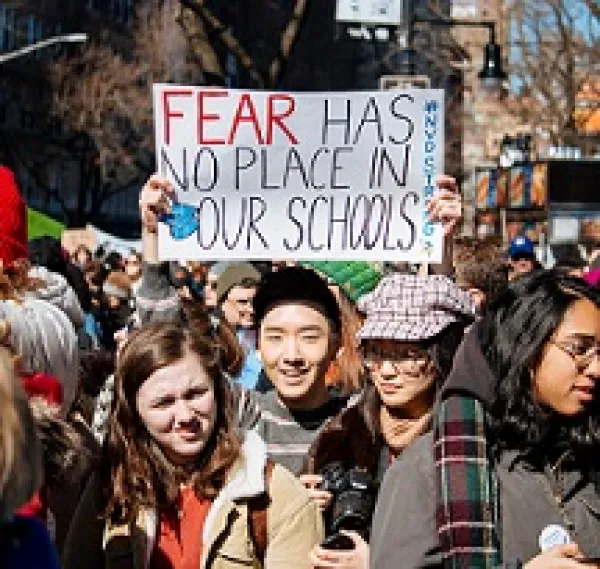
Things are going really well for the Democrats. And none of it is thanks to them. They are headed for significant victories at the end of the year and all without crafting progressive legislation or discussing the biggest issues on the campaign trail. The Republicans are imploding and continuously feeding the Democrats ammunition to use against them. Then there is the new wave of activists whose baby steps and half measures are straight out of the Democratic playbook. All the gutless liberals must be positively tumescent at how the past two weeks have turned out.
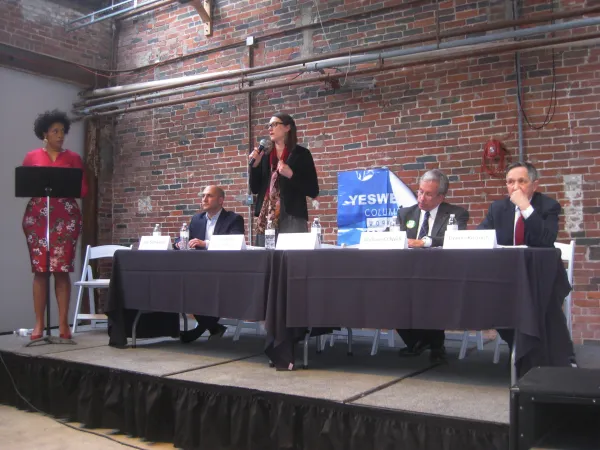
As the primary election for Ohio governor draws near, voters want to know where candidates stand on issues that affect Ohioans the most. To get some answers, Yes We Can Columbus hosted a candidates’ forum on March 12 at Strongwater Food and Spirits.
Democratic and Green gubernatorial candidates answered questions that were crowdsourced from the audience — about economic segregation, affordable housing, funding public education, police brutality, abortion rights, and gun control. Candidates proposed various solutions to these issues, but they had no major disagreements about the causes and nature of the problems.
Candidates did disagree about the influence of moneyed interests in politics. Moderator Dr. Melissa Crum asked the candidates these questions: Will you pledge to refuse contributions from corporate PACs, from the fossil fuel industry, and from the National Rifle Association? And what will you do fight the influence of money in our politics at all levels of government?
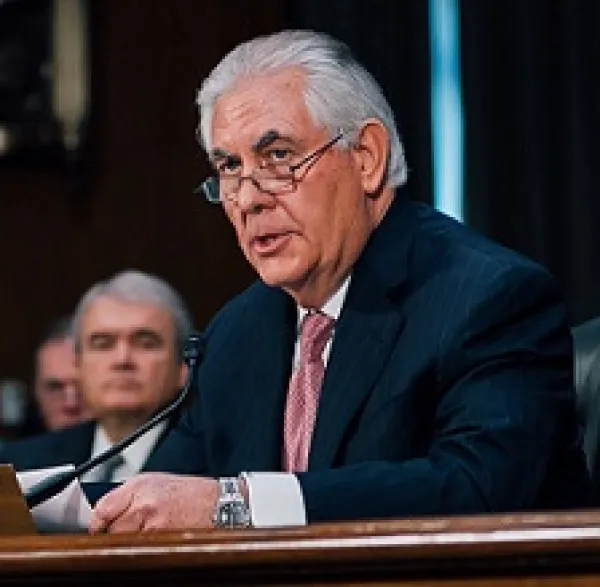
Much of the news generated by those paid to represent us this week came in the form of the executive branch’s revolving door of staff. Some were fired, some were hired, and some are working with a guillotine blade hanging over them. As bad as the president’s cabinet and his advisors have been, it seems to be getting even worse. But we can all feel better knowing there’s a good chance the Democrats will pick up dozens of seats in November and make the country infinitesimally better.

What the hell is going on in national politics? Nobody is doing what is in their, or anybody else’s, best interests. From congressional inactivity to party infighting and missed campaign opportunities, it has been a confounding week. America is going nowhere fast and not enough people seem to understand or care.
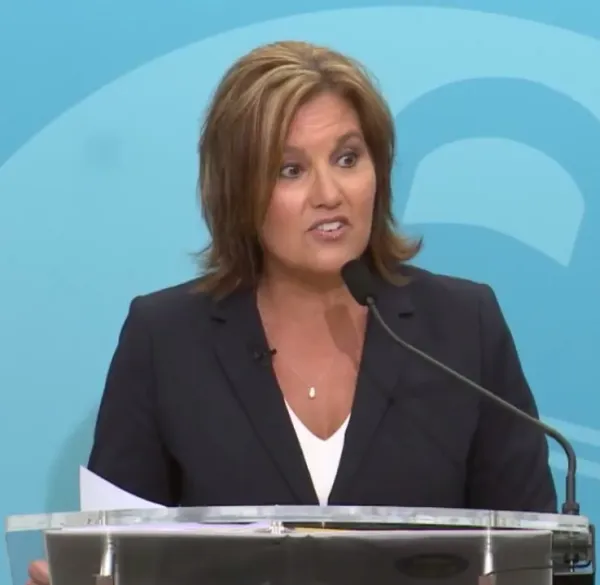
Last month, Ohio’s lieutenant governor Mary Taylor made headlines by not getting the endorsement for governor from her state party and subsequently putting them on blast for doing so. In a speech madeto the Ohio Republican Party’s State Central Committee on February 9, Taylor – who is up against Ohio’s attorney general Mike DeWine for the gubernatorial nomination following months of reshuffling within the party– did not hold back. She opened her remarks by calling the venue “Mike DeWine’s living room,” thanked the press for coming so they could televise DeWine’s “coronation,” and went on to slam his campaign for its “air of inevitability” as well as the Ohio Republican Party for “all of the good ol’ boy bullying and backroom deals that have gotten us to this point.” By the end of her speech it was clear Taylor wasn’t actually gunning for the endorsement, nor did she want it in the unlikely event she received it.
Columbus Monthly’sDecember 2017 issue has an article about former city attorney Richard Pfeiffer, who retired that month after holding the job since 2003. The magazine portrays him as having beliefs similar to what supporters of reform have been saying about the city government. Three of his most significant views are discussed here.
Campaign finance reform
The article says Pfeiffer is “wary of . . . the big money flooding into elections.” It quotes him: “People don’t give you all that money because they think you’re an intellectual, that you’re going to give good judgment. They want you to do something.”
The article also states he “frequently mentions his discomfort with the increasingly blurred lines of campaign finance and corruption.”
Supporters of campaign finance reform in Columbus have been concerned about the large amounts of money in local elections and the desire of big donors to want something, which they often get. Another troubling situation is the inability of local candidates to have their messages heard by the public unless they’re backed by big money.

A lot went on in national politics this week. After a benign start to February, the past seven days stunned us by providing plenty of drama to think about and discuss. The Republicans have always been intent on dragging civilization back a few centuries, but it was amazing to see on how many fronts they are now appealing to their base. The Democrats took a big swig of Dutch courage and had someone be on their feet for eight hours straight. There was another shutdown, the vice-president embarrassed himself, and one of the world’s most famous election thieves crawled out of the woodwork to complain about election theft.
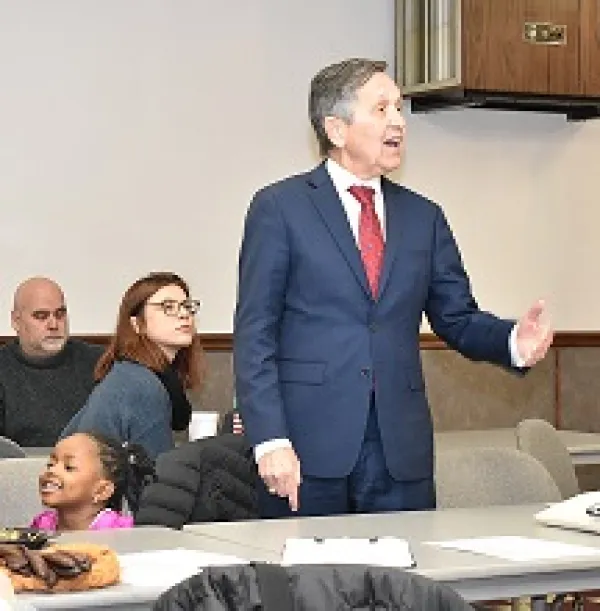
Gubernatorial candidate Dennis Kucinich addressed the first town hall forum of the Progressive Democrats of America Central Ohio chapter on February 5. Kucinich emphasized that he is for universal health care and when in Congress had written HR 676 a Health Care for All bill, co-sponsored by Representative John Conyers. While pitching universal health care, he also put in a plug for veganism, saying that his switch to a vegan diet in 1995 allowed him to get off of six of seven pharmaceutical medications. He told the crowd that he fights to keep community hospitals open but he warned them that closing hospitals is often a tactic to break health care unions.
Kucinich explained that his approach to politics is based on the fact that “I’m an activist at heart.” He claimed that his ultimate agenda is to “empower the people of this state to make their own decisions.” He supports the Community Bill of Rights.