
Anti-War
Something peculiar happens to American presidents after they take office on January 20.
Campaign promises to right the easily perceived misdirections in foreign policy are abandoned, and the new program for dealing with the rest of the world winds up looking very much like the old one. Bill Clinton was an anti-Vietnam War draft dodger who preached the moral high ground for going to war before he turned around and got involved in the Balkans while also bombing Sudan and Afghanistan. George W. Bush promised non-interference and no nation-building overseas, but 9/11 converted him into an exemplar of how to do everything wrong as he sank into the quagmires of Iraq and Afghanistan.
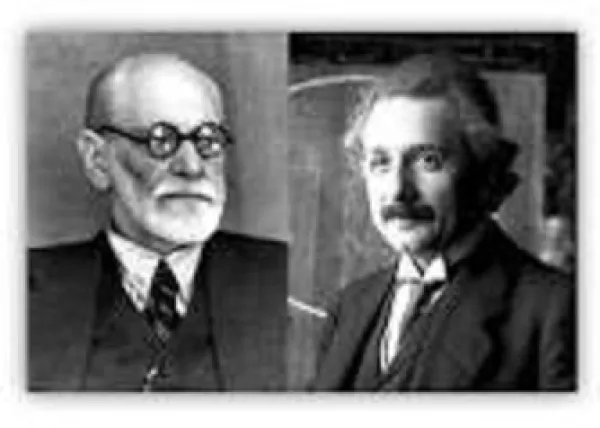
In 1932, Sigmund Freud and Albert Einstein conducted a correspondence
subsequently published under the title ‘Why War?’ See ‘Why War: Einstein
and Freud’s Little-Known Correspondence on Violence, Peace, and Human
Nature’.
https://www.transcend.org/tms/2015/04/why-war-einstein-and-freuds-little-known-correspondence-on-violence-peace-and-human-nature/
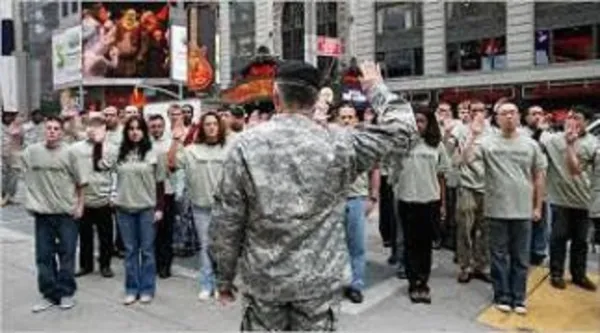

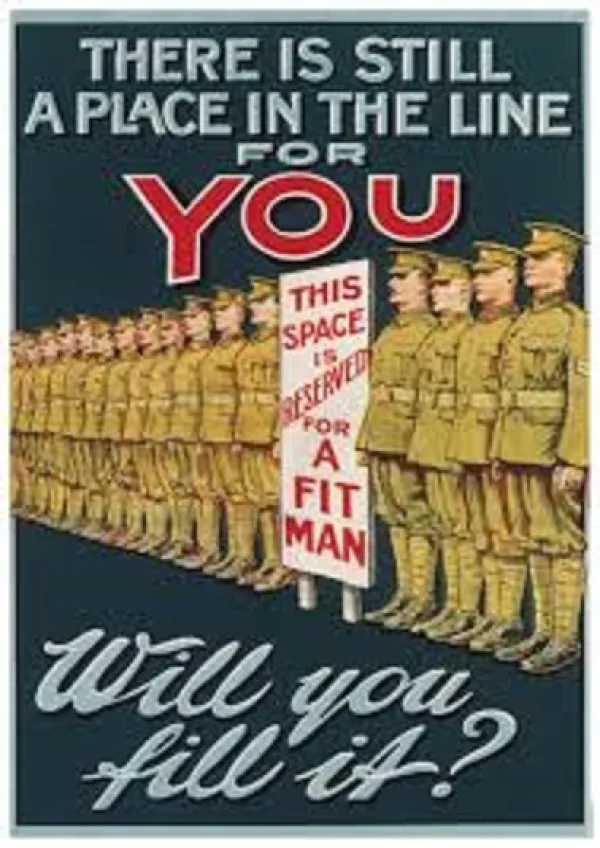
The idea that the United States has a problem with war propaganda is typically scratched in a bad-apples manner with a story that the U.S. has set up a new propaganda agency, such as the Global Engagement Center, or hired a company, such as the Lincoln Group, to plant articles in foreign media. Or we’ll read a report that former generals are secretly picking up their talking points from the Pentagon and their income from weapons companies while appearing as objective commenters on television. Or occasionally we’ll hear the recognition that some particularly obvious or disproven set of lies (such as those regarding Iraq in 2003) were the result of a well-meaning slip-up.

The Doomsday Clock has been moved closer to midnight than it’s been since 1953. The U.S. has shot down a Syrian plane. Russia has threatened to shoot down U.S. planes. There is no way to overstate the importance of avoiding telling hostile lies about Russia right now.
Dan Kovalik’s book, The Plot to Scapegoat Russia: How the CIA and the Deep State Have Conspired to Vilify Russia, is a good place to start if you watch a lot of television, don’t read much about politics, and simply can’t imagine the CIA doing anything inappropriate. This is a great primer. Framed around the current Russiagate madness, the book is a catalog of U.S. government sins over the past many decades.

The new movie, War Machine, on Netflix starring Brad Pitt begins as a hilarious and satisfying mockery of General Stanley McChrystal, circa 2009, as well as of militarism in general. Hilarious because of the deadpan sincere idiocy. Satisfying at least to those of us who have been screaming “What are you idiots doing?” for the past fifteen-and-a-half years.
Should we be glad that a Hollywood movie can still be made mocking the murderous malevolence of true believers in militarism, or should we be disturbed that theaters won’t show such movies and they have to end up on Netflix? Should we be glad that a war satire set in Afghanistan didn’t have to wait decades for a different war, in the manner of Mash, or should we be disturbed that most viewers will not know a current war is being mocked because they either believe the war on Afghanistan has ended or they simply can’t keep up with the proliferation of wars?

Washington, D.C., and much of the rest of the United States, is full of war monuments, with many more under construction and being planned. Most of them glorify wars. Many of them were erected during later wars and sought to improve the images of past wars for present purposes. Almost none of them teach any lessons from mistakes made. The very best of them mourn the loss of a tiny fraction — the U.S. fraction — of the wars’ victims.

Top Russian officials are concerned that a bill passed by the US Congress will do more than increase sanctions on North Korea. Moscow claims H.R. 1644 violates its sovereignty and constitutes an “act of war.”
A suicide bomber inflicts hell at a concert hall in Manchester, England that’s full of children, as though that was the point — to murder children.
The horror of war . . . well, terrorism . . . doesn’t get any worse.
And the media, as they focus on the spectacle of what happened, as they cover the particulars of the tragedy — the suspect’s name and ethnicity and apparent grievances, the anguish of the survivors, the names and ages of the victims — quietly tear the incident loose from most of its complexity and most of its context.
Yes, this was an act of terror. That piece of the puzzle is, of course, under intense scrutiny. The killer, Salman Abedi, age 22, was born in England to parents of Libyan descent and had recently traveled to Libya (where his parents now live) and Syria, where he may have been “radicalized.” He likely didn’t act alone.
ISIS has claimed credit.