Environment
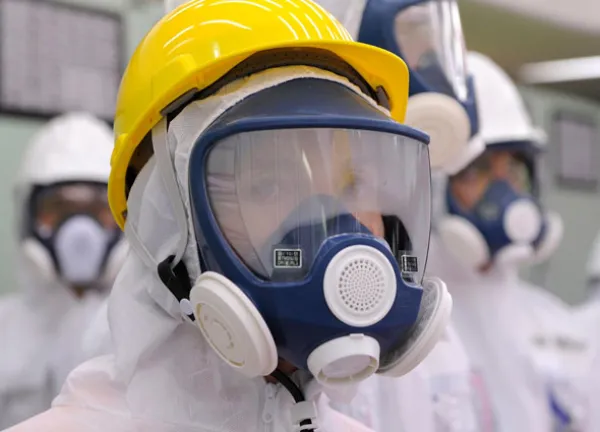
The corporate media silence on Fukushima has been deafening even though the melted-down nuclear power plant’s seaborne radiation is now washing up on American beaches.
Ever more radioactive water continues to pour into the Pacific.
At least three extremely volatile fuel assemblies are stuck high in the air at Unit 4. Three years after the March 11, 2011, disaster, nobody knows exactly where the melted cores from Units 1, 2 and 3 might be.
Amid a dicey cleanup infiltrated by organized crime, still more massive radiation releases are a real possibility at any time.
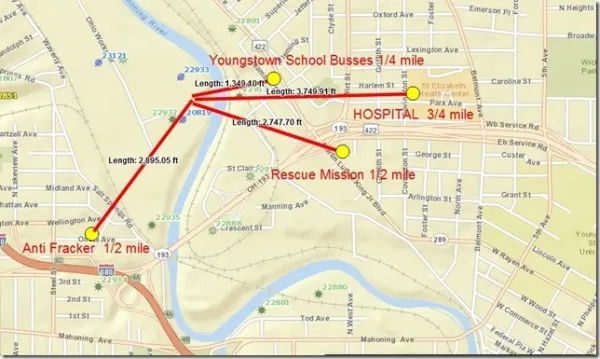
On April 11, 2014 the Ohio Department of Natural Resources (ODNR) published on its website a press release stating that “recent seismic events in Poland Township (Mahoning County) … show a probable connection to hydraulic fracturing.” This finding is of both scientific and political significance. People in cities like Youngstown are voting on ballot issues to permit fracking within their communities, with wells as close as 150 feet of their homes.
It would have been hard to miss the reports of earthquakes, explosions, lack of clean air, nosebleeds and more attributed to fracking. These type of stories have been all over every form of media imaginable in recent years. But according to Energy In Depth (EID), a campaign launched by the Independent Petroleum Association of America, those stories have apparently been drowning out the real story—that fracking is somehow responsible for the drop in carbon dioxide emissions. Yes, this group actually released a video on Earth Day thanking shale gas and fracking for decreasing emissions. You have to see it—and its out-of-context remarks and data—to believe it. The Natural Resources Defense Council also found the video to be off-base, tweeting as much Tuesday morning. That led to a back-and-forth between the organizations, in which EID revealed that it didn’t understand the concept of fracking sacrificing communities. The video in question includes commentary and data from the likes of President Barack Obama and the U.S. Energy Information Administration.

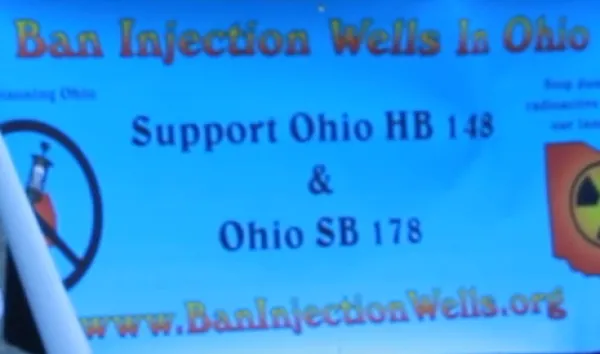
Despite the chilly wet weather, over 70 fracking opponents held a spirited rally for the "Don't Waste Ohio" Legislator Accountability Day at the Ohio Statehouse in Columbus, Ohio on April 2, 2014. Fracking, or hydraulic fracturing, is the process of injecting mass amounts of water into rock formations in order to shatter the ground and release oil and natural gas.
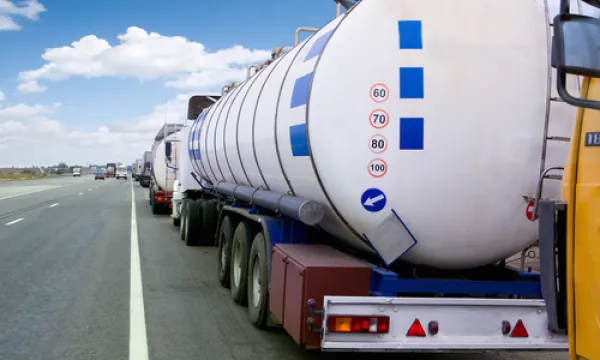
The citizen groups were attempting to gain sponsorship for grassroots led legislation introduced in 2012 to ban Class II injection wells (HB 148, SB 178). This legislation would ban liquid fracking waste in Ohio including: Class II injection wells, enhanced recovery wells, road brine application and treated fracking flowback from being re-introduced into public water supplies. There are currently 234 injection wells in Ohio and 202 of those are active.