Peace
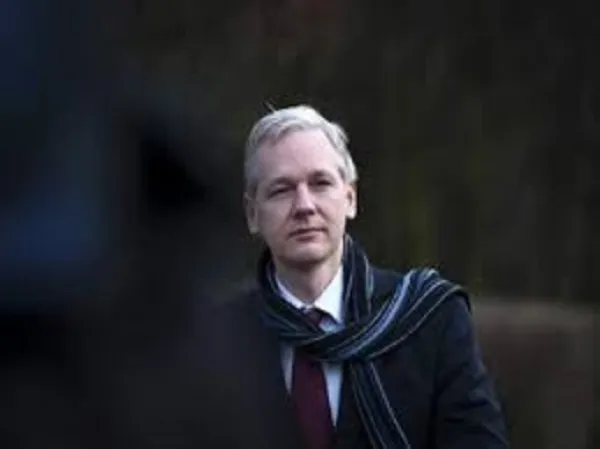
The Julian Assange drama drags on. Though he continues to sit in a top security British prison awaiting developments in his expected extradition to the United States, the Spanish High Court has been given permission to interview him. Assange is claiming that the Spanish company contracted with by the Ecuadorean government to do embassy security in London spied on him using both audio and video devices. The recordings apparently included conversations with Assange’s lawyers outlining his defense strategies, which is an illegal activity under Spanish law. The prosecution has also indicted the company director, former military officer David Morales, on associated criminal charges of bribing a government official and money laundering. Morales has said that he is innocent.
First the good news.
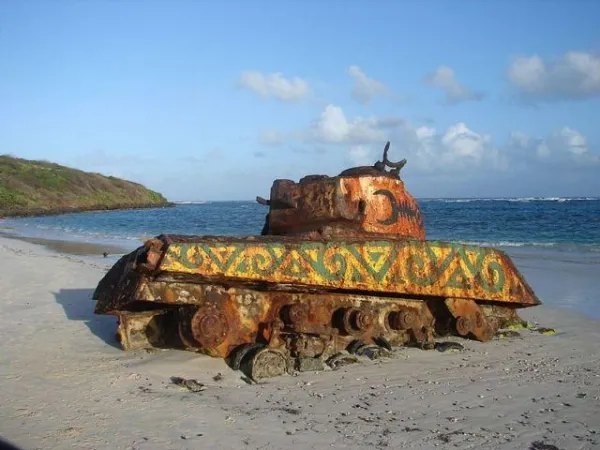
If one of the worst pieces of legislation ever drafted becomes law, there is one small measure in it that we can be pleased with. RootsAction.org and World BEYOND War and many other organizations and activists from Puerto Rico and the rest of the United States and beyond urged Congress through a petition and a variety of lobbying approaches to provide $10 million for the purchase of closed detonation chambers in the clean-up of military contamination in Vieques, Puerto Rico.
This was one of dozens of positive measures passed by the House of Representatives but not by the Senate. Unlike most such measures, this one survived the “compromise” between the two versions of the bill.
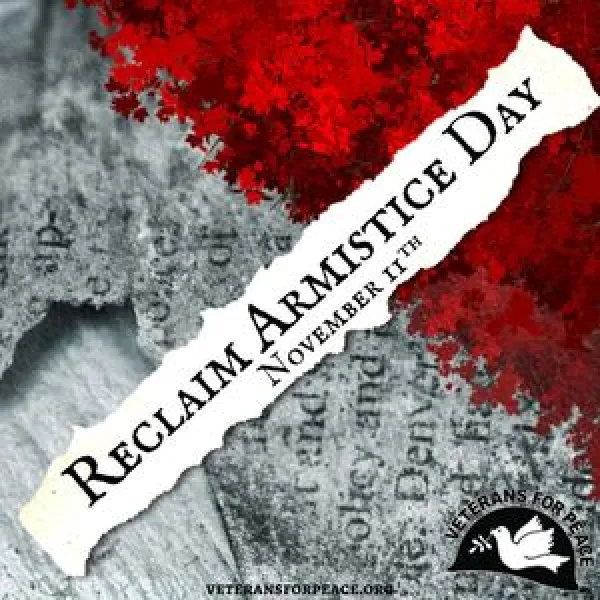
Veterans For Peace, an organization that speaks truth to war like nobody else, is attempting to reclaim Armistice Day, the Nov. 11 holiday that was flipped on its head 65 years ago when it was renamed Veterans Day — and became a celebration not of the end of war but of its perpetuity.
The name change occurred in 1954. The Korean War had recently “ended,” the Cold War and the nuclear arms race were seriously revving up and, of course, that other world war, nine years past, was still vividly a part of everyone’s consciousness. There was near-infinite cynicism about the whole idea of “the war to end all wars” . . . yeah, sure, what a joke. That’ll never happen.
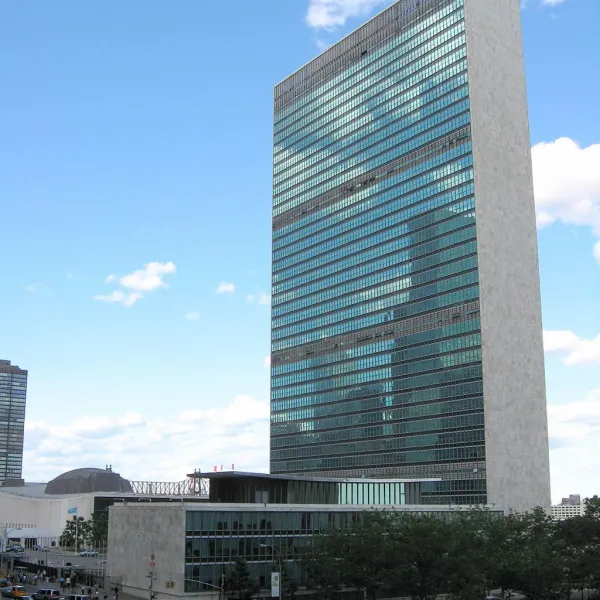
KOREAN BELOW THE ENGLISH
By David Swanson, World BEYOND War, October 26, 2019
I’ve never heard of or even seen fantasized a society or a government that wasn’t deeply flawed. I know neither North nor South Korea is an exception. But the primary impediment to peace in Korea appears to be the United States: its government, its media, its billionaires, its people, and even the arm of the U.S. called the United Nations.

There were whispers in the village, high up in the mountains of Afghanistan. There was a Stranger here. He had made a friend and been invited to live in a home despite not being family, despite probably not even being of the ethnicity or religion of every person who could be trusted.
The Stranger had obtained for a family a small interest-free loan and helped them create a store. He’d hired kids off the street. Now the kids were inviting other kids to come and talk with the Stranger about working for peace. And they were coming out of friendship, despite not knowing what “working for peace” meant.
Soon they would have some idea. Some of them, who had perhaps not even spoken with someone of a different ethnicity before, formed a live-in multi-ethnic community. They began projects such as a walk for peace with international observers, and the creation of a peace park.
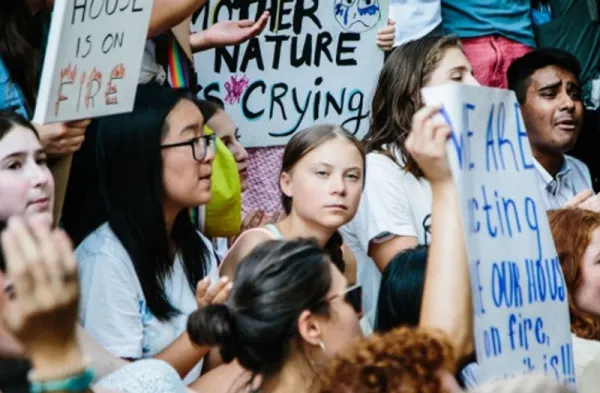
The committee that awards the Nobel Peace Prize was right not to give the prize to Greta Thunberg, who deserves the highest prizes available, but not one created to fund the work of abolishing war and militaries. That cause ought to be central to the work of protecting the climate, but it is not. The question of why no young person working to abolish war is given access to television networks ought to be raised.
The vision that Bertha von Suttner and Alfred Nobel had for the peace prize — the promotion of fraternity between nations, the advancement of disarmament and arms control and the holding and promotion of peace congresses — has not yet been fully grasped by the committee, but it is making progress.
Abiy Ahmed has worked for peace in his and neighboring countries, ending a war and establishing structures aimed at maintaining a just and sustainable peace. His peace efforts have included environmental protection.

Violence is pervasive throughout human society and it has a vast range of manifestations. Moreover, some of these manifestations – particularly the threat of nuclear war (which might start regionally), the climate catastrophe and the ongoing ecological devastation, as well as geoengineering and the deployment of 5G – threaten imminent human extinction if not contained. Separately from these extinction-threatening manifestations, however, violence occurs in a huge range of other contexts denying many people the freedom, human rights and opportunities necessary for a meaningful life. Moreover, human violence is now driving 200 species of life on Earth to extinction daily with another 1,000,000 species under threat.
Hope in a Time Like Ours: remarks by Brian Terrell at #NoWar2019, Limerick, Ireland, October 5, 2019
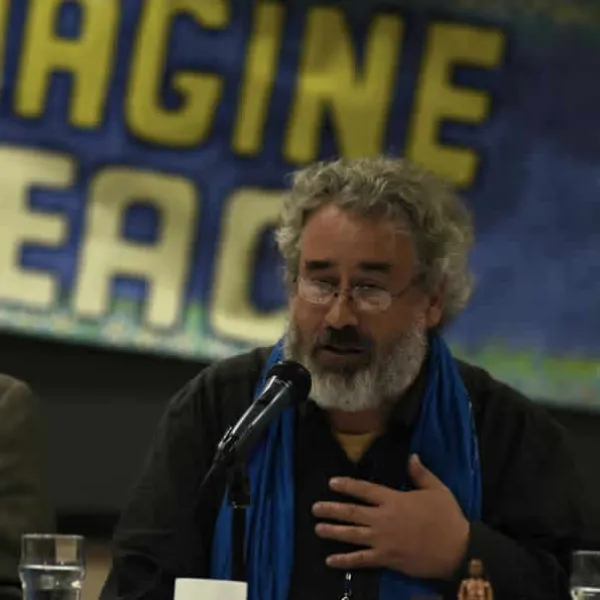
I am honored and humbled to be addressing this gathering at this perilous moment, especially as I am here in place of Kathy Kelly, who sends her love and her regrets that she can’t be here. Mairead Maguire just cited Dorothy Day as an influence in her life- Dorothy took me in when I was a teenage dropout long ago. I stayed at the Catholic Worker in New York then for four years and this made all the difference in my life.
The stark reality that we are facing, even the imminent threat extinction, cannot be clearer than it is today and our work cannot be more crucial.