
Peace
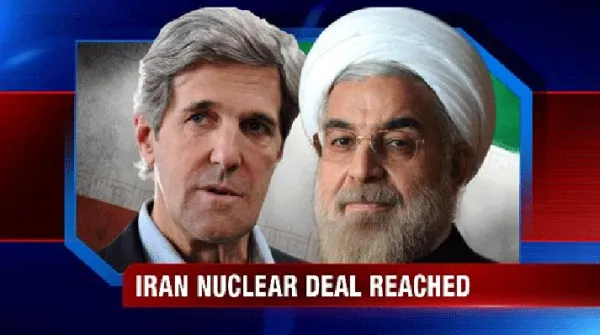
President Donald Trump’s move to decertify the Iranian nuclear Joint Comprehensive Plan of Action (JCPOA), entered into a little over two years ago, was applauded by Israel, Saudi Arabia and a couple of Persian Gulf States, but by no one else. Quite the contrary, as the European and Asian co-signatories on the agreement, having failed to dissuade Trump, have clearly indicated that they will continue to abide by it. Also, the decision to kick the can down the road by giving Congress 60 days to increase pressure on Tehran in an attempt to include other issues beyond nuclear development like its ballistic missile program and labeling the country’s Revolutionary Guard as a terrorist group are likely to create confusion as Washington is unable to communicate directly with Iran. That uncertainty could possibly lead to a fraught-with-danger Iranian decision to withdraw completely from the agreement.

By Dennis J. Kucinich, on Behalf of the Basel Peace Office
Remarks to the United Nations General Assembly, High Level Meeting on Nuclear Disarmament, Tuesday, September 26, 2017
http://worldbeyondwar.org/dennis-kucinich-speaks-un-nuclear-weapons-ban/
Your Excellency, President of the General Assembly, Distinguished Ministers, Delegates and Colleagues:
I speak on behalf of the Basel Peace Office, a coalition of international organizations dedicated to the elimination of nuclear weapons
The world is in urgent need of truth and reconciliation over the existential threat of development of and use of nuclear weapons.
We have a shared global interest in nuclear disarmament and nuclear abolition, deriving from the irreducible human right to be free of contemplation of extinction.
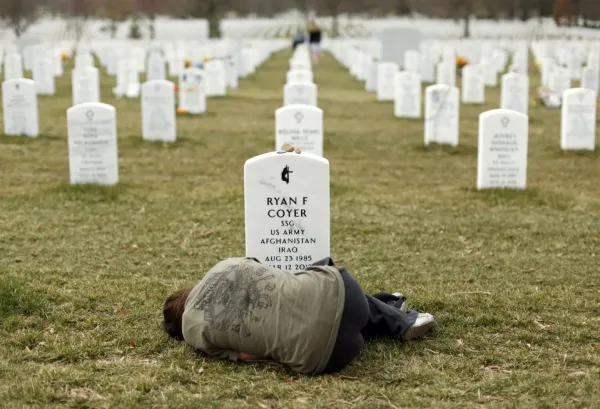
Opening debate remarks at the University of Pennsylvania on September 21, 2017, on the following proposition: “Are America’s wars in Syria and Afghanistan just and necessary or have we lost our way in the use of military force, including drone weaponry, in conducting US foreign policy?”
Wow, I’ve already gotten more applause than Trump got for his whole speech at the UN.
U.S. wars and bombings in Syria, Afghanistan, Pakistan, Iraq, Libya, Yemen, Somalia, and the Philippines, and threats to North Korea are unjust, unnecessary, immoral, illegal, extremely costly in several ways, and counterproductive on their own terms.
The idea of a just war comes down to us over some 1600 years from people whose worldview we share in almost no other way. Just war criteria come in three types: non-empirical, impossible, and amoral.
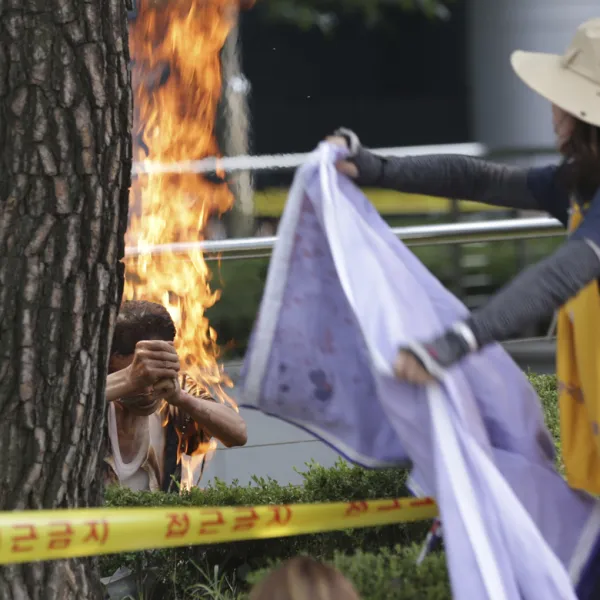
Published below is the statement from Cho Young-sam, the South Korean citizen who self-immolated himself yesterday.
President Moon Jae-In is President of South Korea.
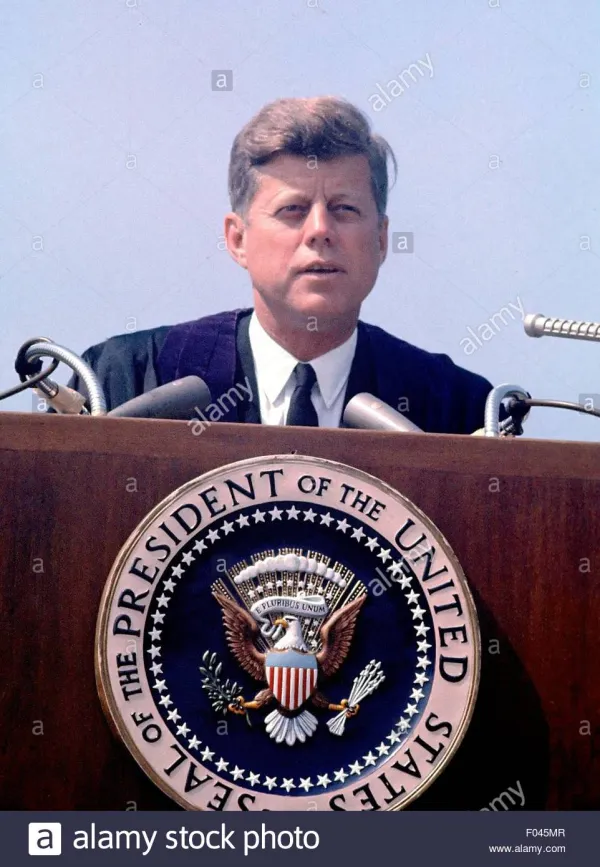
In planning an upcoming conference aimed at challenging the institution of war, to be held at American University September 22-24, I can’t help but be drawn to the speech a U.S.
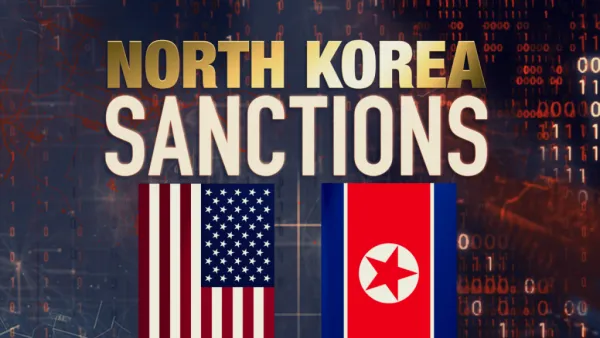
The U.S. proposal for a U.N. resolution allowing “all necessary measures” to forcibly halt and inspect North Korean ships and to cut off oil to North Korea may send our species out the door with a culminating act that echoes and builds on numerous historical precedents.
We know, if we don’t deny the science, that climate change threatens us all, that a single nuclear bomb could push climate change well past the point of no return (if we aren’t there already), that several nuclear bombs could starve us out of existence, and that a significant nuclear war could end our follies quite swiftly.
That alone ought to be enough reason to choose diplomacy over the foreign-policy equivalent of shooting guns at a hurricane.
But why is innocent harmless philanthropic inspecting of ships for the good of the Rule of Law a problem? If those people have nothing to hide, then what — insert clever grin here — do they have to worry about, huh?
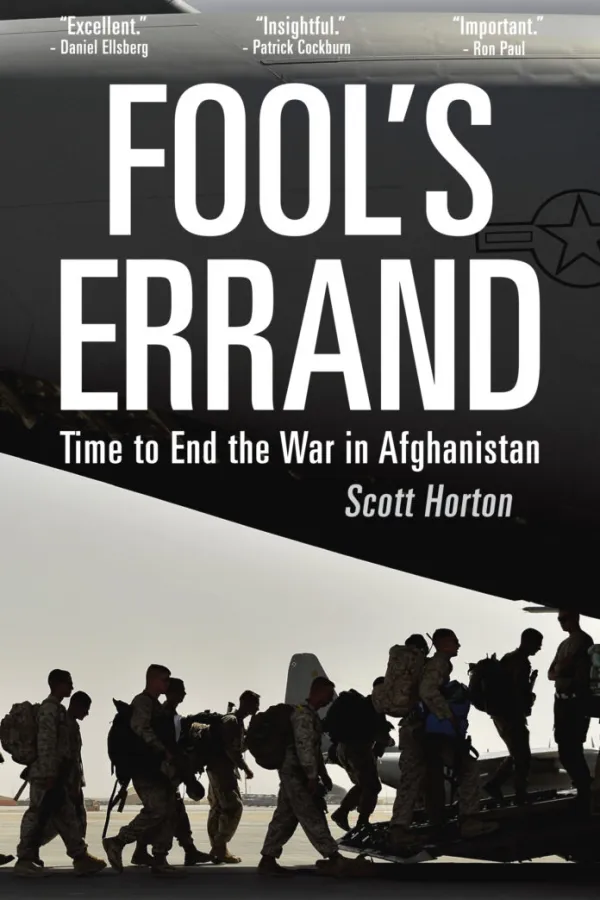
Scott Horton, Fool’s Errand: Time to End the War in Afghanistan, The Libertarian Institute, 318 pages.
I was one of the first American officials to arrive in Kabul at the end of 2001. The war that seemed to be ending back then is currently in its 16th year with no end in sight, and for those of us who were there at the beginning it now sometimes seems like it was a lifetime ago. President Barack Obama not so long ago referred to Afghanistan as the “necessary war.” But now it might be more appropriate to refer to it as a “forgotten war,” as President Donald Trump has sent a few thousand more soldiers to Kabul—while also stating emphatically that he will not be discussing strategy or entertaining any questions regarding what might be coming next.

On August 5, National Security Adviser H.R. McMaster informed MSNBC that the Pentagon had plans to counter the “growing threat” from North Korea—by launching a “preventative war.”
Note: When someone armed with world-ending weapons is speaking, language is important.
For example: a “threat” is merely an expression. It may be annoying, or even provocative, but it is something that falls well short of a physical “attack.”
“Preventative war” is a euphemism for “armed aggression”—an action the International Criminal Court identifies as “the ultimate war crime.” The slippery phrase “preventative war” serves to transform the aggressor into a “potential” victim, responding to a perceived “future crime” by acting in “self-defense.”
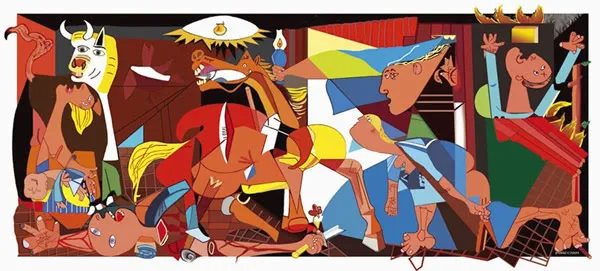
Washington, D.C., needs a three-dimensional, sculptural Guernica dedicated to and with explanatory information about the victims of U.S. bombings in over 30 countries that the United States has bombed.
And it needs such a monument to the victims of wars now, to help move the country away from war. We can’t wait to create the monument after having achieved a society willing to make room for it among the war-glorification monstrosities gobbling up more and more space in the U.S. capital.
With land unavailable for peace in the land of war temples, the obvious solution is a rooftop. The Methodist Building across from the Capitol and the Supreme Court, or the nearby FCNL building, or any other prominent building with a roof could radically alter the DC skyline and worldview.
Bureacratic hurdles would have to be cleared, height kept below that of the Capitol dome, etc. But a rooftop could make a monument more visible, not less. An external elevator could take people close-up to view, learn more, and photograph.