
THE G-20 IN PITTSBURGH
by Tom Over 9-23-09
<br><br>
On Tuesday, Sept 22, activists from Philadelphia, New York City, Pittsburgh and other cities held a mock funeral procession to demand better policies for addressing the AIDS pandemic, a day ahead of the arrival of delegates for the G-20.
<br><br>
The approximately 50 participants in the New Orleans-style funeral march drew a mix of interest, irritation, and amusement from onlookers in the business district of downtown Pittsburgh.
<br><br>
At the head of the funeral march where pallbearers carried a cardboard coffin, a man shouted into a microphone while someone else carried a portable amplifier, “when people with AIDS are under attack, what do we do ?” and marchers shouted in unison, “fight back!”
<br><br>
Amidst the early afternoon bustle of an weekday, the demonstrators repeated this call-and-answer and similar chants as the funeral march made its way around the perimeter of the David L. Lawrence Convention Center, the site of the G-20 Summit later this week.
<br><br>
Erica Goldberg works with ACT UP Philadelphia. She said global health is not on the agenda of the G-20 Summit.
“One of the things that some of the G-20 nations have promised us is funding for the global fund to fight, TB, malaria, and HIV/AIDS. This is all really important, especially if we want to meet the United Nations’ Millennium goal of eradicating these diseases by 2015. As of right now, this won’t be met. We have to hold our leaders accountable. They are the ones making decisions for the poorer countries,” Goldberg said.
<br><br>
She commented on the timing of the demonstration. “We wanted this to be the first thing they (the G-20 delegates) see. They’re coming here tomorrow. We’re holding them accountable. This needs to be on the agenda.”
<br><br>
She said AIDS activists chose Sept 22, two days before the official start of the G-20 Summit, and one day before the arrival of the delegates, so as to not have to compete with other protests. Also, she said the AIDS activists figured there would be less of a chance of conflict with police if they staged their protest earlier in the week.
<br><br>
“We hope that this will hit the papers tomorrow, that it’s the first thing they see when they walk in, that they have this on their conscience and know we’re not going away,” Goldberg said. She urges people to contact legislators about supporting the Global Fund to Fight AIDS, Tuberculosis, and Malaria.
“President Obama, as much as I love him, went back on his promise to fulfill the funding,” Goldberg said.
<br><br>
She commented on how drug companies factor into all of this. “ Medication does not need to be this expensive. They can definitely lower their prices. We have big drug interests lobbying to prevent AIDS medication from getting” to developing nations.
<br><br>
Goldberg said debt cancellation for developing nations is a factor that comes into play.
“When you don’t cancel debts of nations and they have to pay back loans to the IMF and the World Bank, they won’t have the funds necessary for getting AIDS medication, or they might get the medication but can’t pay the health professional because of their debt.
<br><br>
She said vested interested motivated by huge profits stand in the way of doing a better job of addressing tuberculosis, malaria, and HIV/AIDS. “We have the power, the ability, and the medication.”
World News
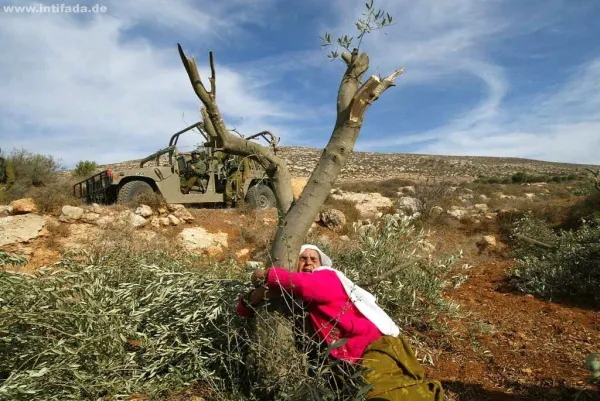
The latest Arab Opinion Index 2022 is yet more proof that Arab societies are diverse in every possible way, from their assessment of their economic situation and living conditions to their take on immigration, state institutions and democracy. With one single exception: Palestine.
76 percent of all respondents to the poll, which is carried out annually by the Arab Center for Research and Policy Studies in Doha, said that Palestine is a cause for all Arabs, not Palestinians alone.
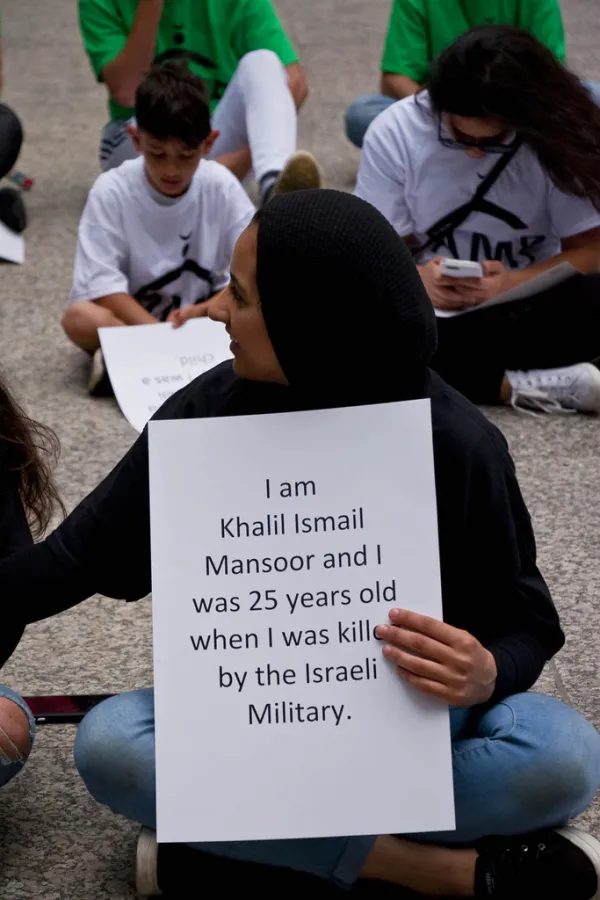
“For how long will I be in captivity? After so many years, where are the state and the people of Israel?” These were the words, uttered in Hebrew, of a person believed to be Avera Mengistu, an Israeli soldier of Ethiopian origin who was captured and held in Gaza in 2014.
Footage of Mengistu, looking nervous but also somewhat defiant, calling on his countrymen to end his 9-year incarceration, mostly ended speculation in Israel on whether the soldier was alive or dead.
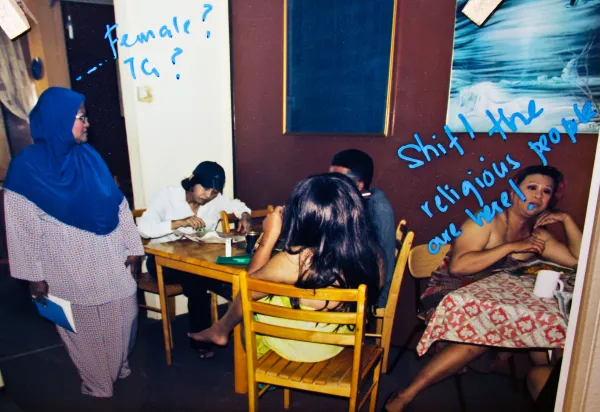
BANGKOK, Thailand -- Muslim-majority Malaysia's newly elected Prime Minister Anwar Ibrahim, who was jailed twice for homosexual sodomy, is warning lesbians, gays, bisexuals and transgenders (LGBT) that they, along with communism and secularism, "would never be recognized" by his administration.
Mr. Anwar made the remarks after a popular hardline Pan-Islamic Party (PAS) official, Razman Zakaria, claimed Mr. Anwar and his allies would legalize same-sex marriage in the Southeast Asian country.
“Sometimes these [rival] politicians say if Anwar becomes prime minister, then Islam will be destroyed, secularism and communism will be established, and LGBT will be recognized,” Mr. Anwar said on January 6.
“This is just a delusion. Of course it will never happen and, God willing, under my administration it is unlikely to happen," the prime minister said.
"Such anti-LGBT sentiments, coupled with scapegoating for political expediency and survival, are dangerous," responded Thilaga Sulathireh, co-founder of Justice for Sisters.
"It has effectively increased LGBT-related misinformation and bias."

In a self-congratulatory article published in the Atlantic in 2017, Yossi Klein Halevi describes Israeli behavior at the just-conquered holy Muslim shrines in Occupied East Jerusalem in 1967 as “an astonishing moment of religious restraint”.
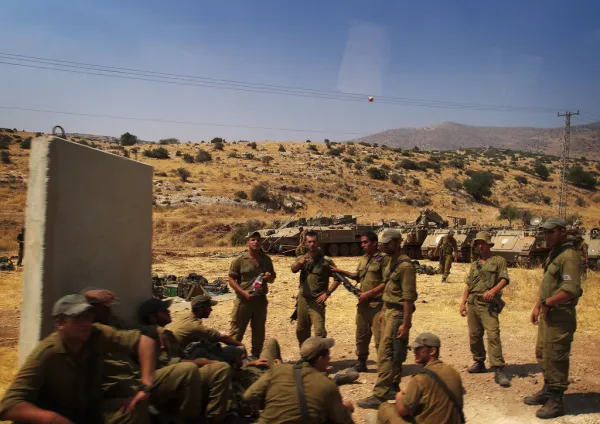
Once more, the International Court of Justice (ICJ) will offer a legal opinion on the consequences of the Israeli Occupation of Palestine.
A historic United Nations vote on December 31 called on the ICJ to look at the Israeli Occupation in terms of legal consequences, the rights of the Palestinian people to self-determination and the responsibility of all UN Member States in bringing the protracted Israeli Occupation to an end. A special emphasis will be placed on the “demographic composition, character and status” of Occupied Jerusalem.
Another critical year for Palestine has folded. While 2022 has wrought much of the same in terms of Israeli military occupation and increasing violence, it also introduced new variables to the Palestinian struggle - nationally, regionally and internationally.
Palestine, the War and the Arabs
The Russia-Ukraine war starting in February pressured many political entities, including Palestinians, to take sides or, at least, to declare a position. Though the Palestinian Authority (PA) and various Palestinian political parties insisted on their neutrality, Russia’s deviation from the US-led political paradigm in the Middle East opened up new margins for Palestinians to explore.
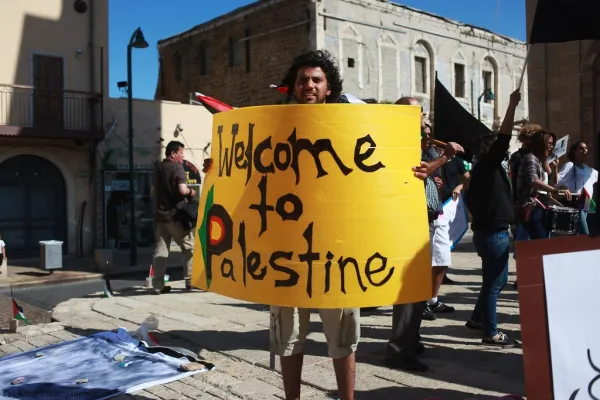
The next Nakba Day will be officially commemorated by the United Nations General Assembly on May 15, 2023. The decision by the world’s largest democratic institution is significant, if not a game changer.
For nearly 75 years, the Palestinian Nakba, the 'Catastrophe' wrought by the ethnic cleansing of Palestine by Zionist militias in 1947-48, has served as the epicenter of the Palestinian tragedy as well as the collective Palestinian struggle for freedom.
The problem with most Western media’s political analyses is that they generally tend to be short-sighted and focused mostly on variables that are of direct interest to Western governments.
These types of analyses are now being applied to understanding official Arab attitudes towards Russia, China, global politics and conflicts.
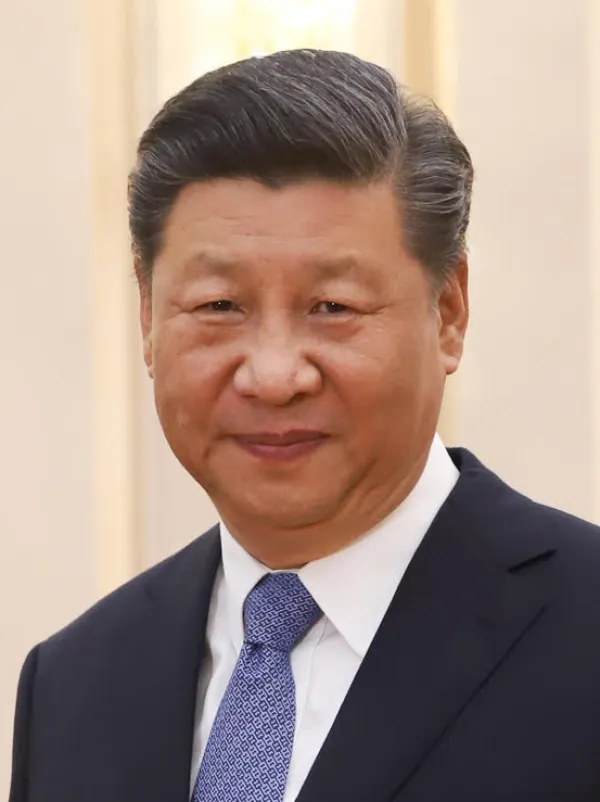
As Chinese President Xi Jinping prepares to lead a large delegation to meet with Arab leaders in Saudi Arabia on December 9, Western media conveys a sense of dread.

Though brief, the exchange between Chinese President Xi Jinping and Canadian Prime Minister Justin Trudeau on the sidelines of the G20 summit in Indonesia on November 16 has become a social media sensation. Xi, assertive if not domineering, lectured the visibly apprehensive Trudeau about the etiquette of diplomacy. This exchange can be considered another watershed moment in China’s relationship with the West.
“If there was sincerity on your part,” the Chinese President told Trudeau, “then we shall conduct our discussion with an attitude of mutual respect, otherwise there might be unpredictable consequences.”
At the end of the awkward conversation, Xi was the first to walk away, leaving Trudeau uncomfortably making his way out of the room.
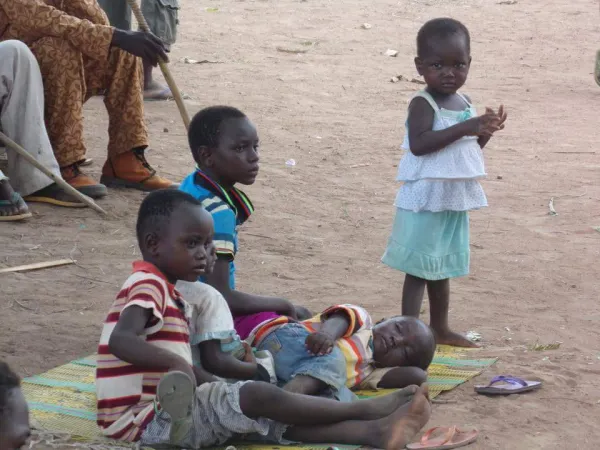
Soon after arriving in Oslo, my taxi zigzagged through the city's well-organized streets and state-of-the-art infrastructure. Large billboards advertised the world's leading brands in fashion, cars, and perfumes. Amid all the expressions of wealth and plenty, an electronic sign by a bus stop flashed the images of poor-looking African children needing help.
Over the years, Norway has served as a relatively good model of meaningful humanitarian and medical aid. This is especially true if compared to other self-serving western countries, where aid is often linked to direct political and military interests. Still, the public humiliation of poor, hungry and diseased Africa is still disquieting.