
THE G-20 IN PITTSBURGH
by Tom Over 9-23-09
<br><br>
On Tuesday, Sept 22, activists from Philadelphia, New York City, Pittsburgh and other cities held a mock funeral procession to demand better policies for addressing the AIDS pandemic, a day ahead of the arrival of delegates for the G-20.
<br><br>
The approximately 50 participants in the New Orleans-style funeral march drew a mix of interest, irritation, and amusement from onlookers in the business district of downtown Pittsburgh.
<br><br>
At the head of the funeral march where pallbearers carried a cardboard coffin, a man shouted into a microphone while someone else carried a portable amplifier, “when people with AIDS are under attack, what do we do ?” and marchers shouted in unison, “fight back!”
<br><br>
Amidst the early afternoon bustle of an weekday, the demonstrators repeated this call-and-answer and similar chants as the funeral march made its way around the perimeter of the David L. Lawrence Convention Center, the site of the G-20 Summit later this week.
<br><br>
Erica Goldberg works with ACT UP Philadelphia. She said global health is not on the agenda of the G-20 Summit.
“One of the things that some of the G-20 nations have promised us is funding for the global fund to fight, TB, malaria, and HIV/AIDS. This is all really important, especially if we want to meet the United Nations’ Millennium goal of eradicating these diseases by 2015. As of right now, this won’t be met. We have to hold our leaders accountable. They are the ones making decisions for the poorer countries,” Goldberg said.
<br><br>
She commented on the timing of the demonstration. “We wanted this to be the first thing they (the G-20 delegates) see. They’re coming here tomorrow. We’re holding them accountable. This needs to be on the agenda.”
<br><br>
She said AIDS activists chose Sept 22, two days before the official start of the G-20 Summit, and one day before the arrival of the delegates, so as to not have to compete with other protests. Also, she said the AIDS activists figured there would be less of a chance of conflict with police if they staged their protest earlier in the week.
<br><br>
“We hope that this will hit the papers tomorrow, that it’s the first thing they see when they walk in, that they have this on their conscience and know we’re not going away,” Goldberg said. She urges people to contact legislators about supporting the Global Fund to Fight AIDS, Tuberculosis, and Malaria.
“President Obama, as much as I love him, went back on his promise to fulfill the funding,” Goldberg said.
<br><br>
She commented on how drug companies factor into all of this. “ Medication does not need to be this expensive. They can definitely lower their prices. We have big drug interests lobbying to prevent AIDS medication from getting” to developing nations.
<br><br>
Goldberg said debt cancellation for developing nations is a factor that comes into play.
“When you don’t cancel debts of nations and they have to pay back loans to the IMF and the World Bank, they won’t have the funds necessary for getting AIDS medication, or they might get the medication but can’t pay the health professional because of their debt.
<br><br>
She said vested interested motivated by huge profits stand in the way of doing a better job of addressing tuberculosis, malaria, and HIV/AIDS. “We have the power, the ability, and the medication.”
World News
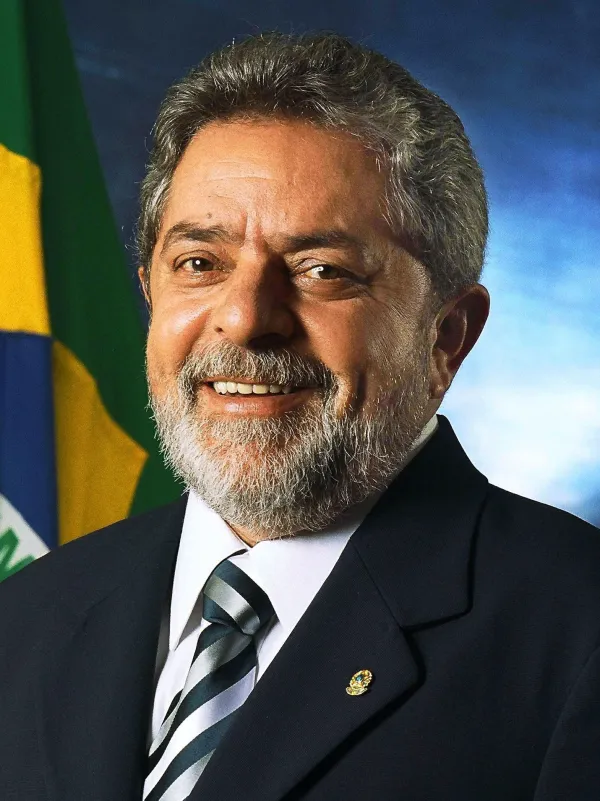
Palestinians and their supporters are justified in celebrating the election victory of the leftist presidential candidate, Luis Inacio Lula da Silva, in Brazil’s runoff elections on October 30. But Lula's victory is incomplete and could ultimately prove ineffectual if not followed by a concrete and centralized Palestinian strategy.
Lula has proven, throughout the years, to be a genuine friend of Palestine and Arab countries.
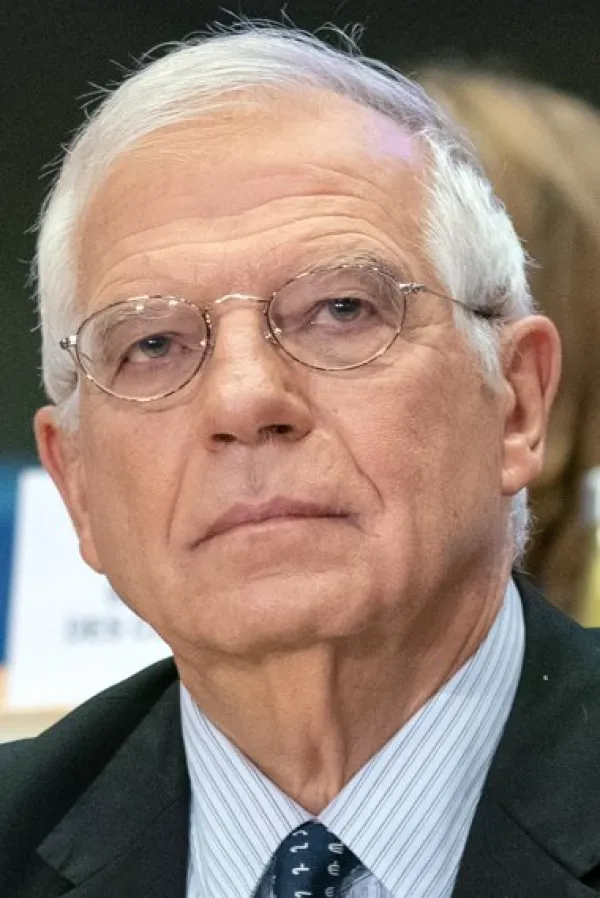
The European Union’s Foreign Policy Chief Josep Borrell is not particularly perceived by the EU’s political elite or mainstream media as a rightwing ideologue or warmonger. But seen through a different, non-western prism, it is hard not to mistake him for one.
Borrell’s recent comments that “Europe is a garden” and that “the rest of the world is a jungle” were duly condemned as ‘racist’ by many politicians around the world, but mostly in the Global South. Borrell’s remarks, however, must also be viewed as an expression of superiority, not only of Borell personally, but of Europe’s ruling classes as a whole.
Particularly interesting about the EU top diplomat’s words are these inaccurate depictions of Europe and its relationship with the rest of the world: “We have built a garden”, “everything works” and “the jungle could invade the garden”.
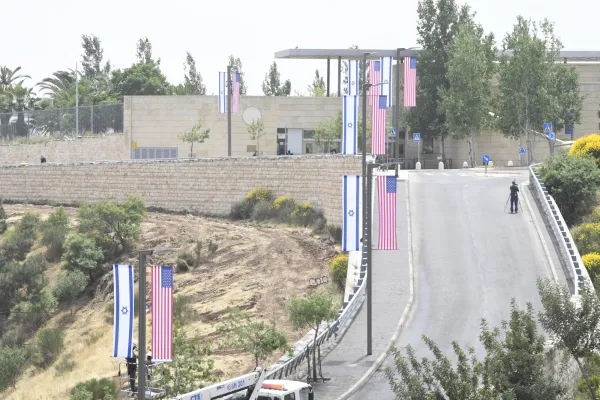
US President Donald Trump's so-called 'Deal of the Century' was meant to represent a finality of sorts, an event reminiscent of Francis Fukuyama’s premature declaration of the 'End of History' and the uncontested supremacy of western capitalism. In effect, it was a declaration that 'we' - the US, Israel and a few allies - have won, and 'you', isolated and marginalized Palestinians, lost.
The same way Fukuyama failed to consider the unceasing evolution of history, the US and Israeli governments also failed to understand that the Middle East, in fact, the world, is not governed by Israeli expectations and American diktats.
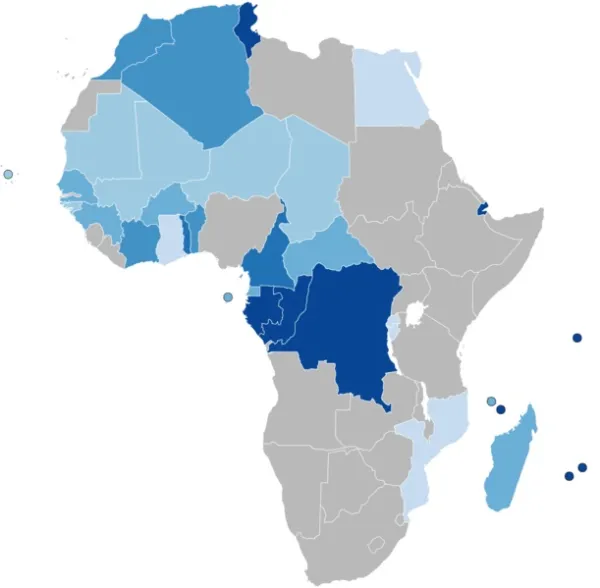
The moment that Lieutenant-Colonel Paul-Henri Sandaogo Damiba was ousted by his own former military colleague, Captain Ibrahim Traore, pro-coup crowds filled the streets. Some burned French flags, others carried Russian flags. This scene alone represents the current tussle underway throughout the African continent.
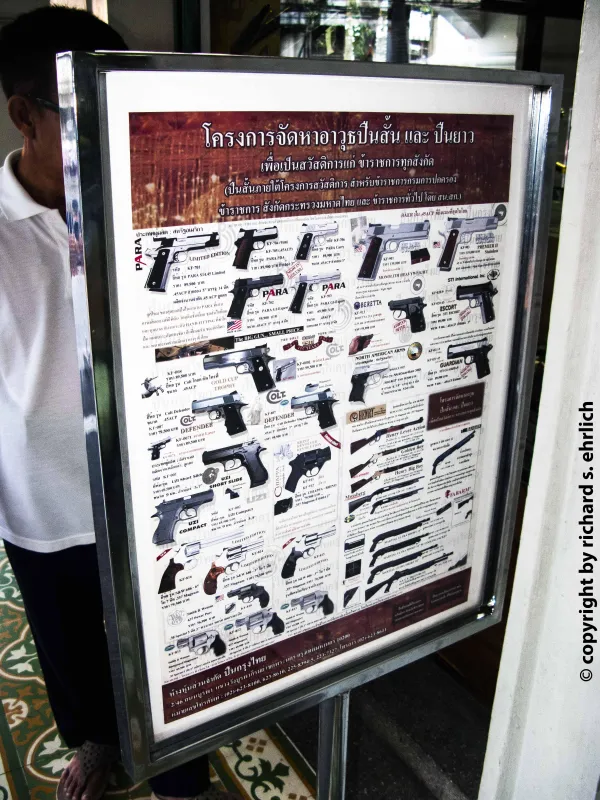
BANGKOK, Thailand -- Mass cremations lit up the night sky on Tuesday (October 11) in northeast Thailand during Buddhist funerals for 36 people, including 24 children, massacred by a ranting x-cop.
Dead children were dressed in newly-tailored clothes of their fantasy careers, including tiny white coats and uniforms for those who hoped to be doctors or nurses, military uniforms for would-be soldiers, or civilian outfits if they fancied becoming teachers or other work.
Local Buddhist temples refused to cremate the killer's corpse, so it was secretly burned at a temple elsewhere in a ceremony attended by a handful of his relatives.
The king arranged "royally-sponsored cremations" at three main Buddhist temples in and around Uthai Sawan town where the slaughter took place.
Prime Minister Prayuth Chan-ocha flew to the small town to meet relatives and survivors, and led the main cremation ceremony.
Smaller cremations were being held at other nearby Buddhist temples where relatives also brought corpses in coffins.
Mourners suffered remembering the horror.
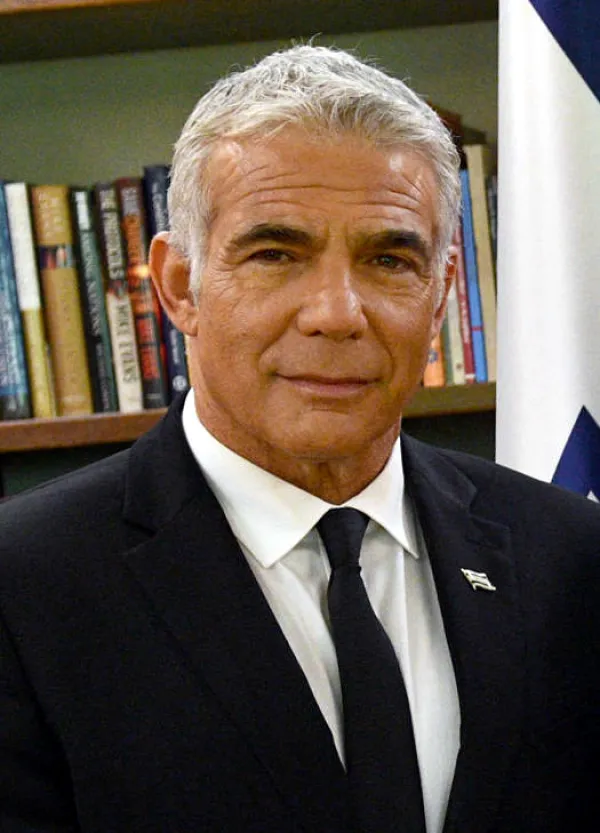
Israeli Prime Minister Yair Lapid threw a wrench into the works when he declared from the United Nations General Assembly podium: “An agreement with the Palestinians, based on two states for two peoples, is the right thing for Israel’s security, for Israel’s economy and for the future of our children.”
The statement took many by surprise, including the Palestinian leadership.
Palestinian leader Mahmoud Abbas has been addressing the UNGA every September, every year, recycling the same speech about how he has fulfilled his commitments to peace and that it is Israel that needs to engage in serious negotiations toward a two-state solution.
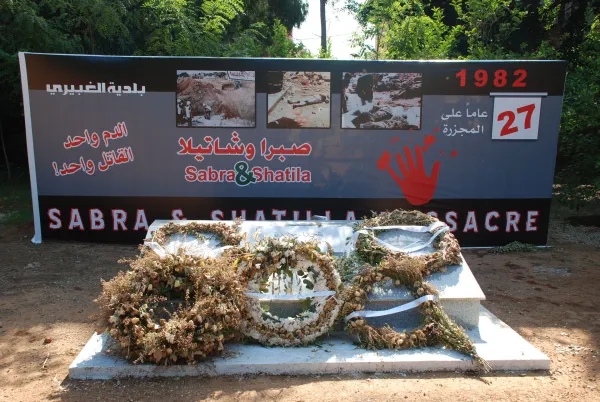
September 16 marks the 40th anniversary of the Sabra and Shatila massacre, the killing of around 3,000 Palestinians at the hands of Lebanon’s Phalangist militias operating under the command of the Israeli army.
Four decades have passed, yet no measure of justice has been received by the survivors of the massacre. Many of them have died, and others are aging while they carry the scars of physical and psychological wounds, in the hope that, perhaps, within their lifetime they will see their executioners behind bars.
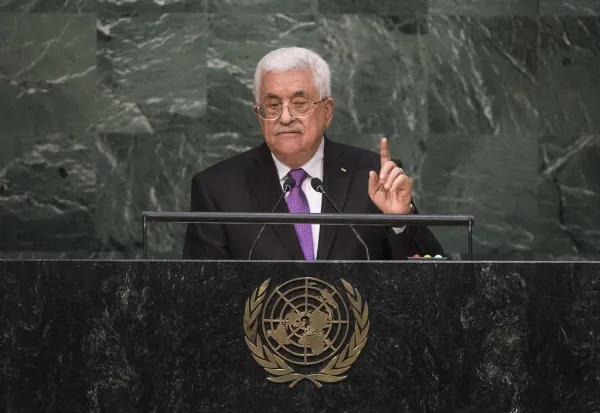
In his anticipated speech at the United Nations General Assembly on September 23, Palestinian leader Mahmoud Abbas is expected to, once more, make a passionate plea for the recognition of Palestine as a full member.
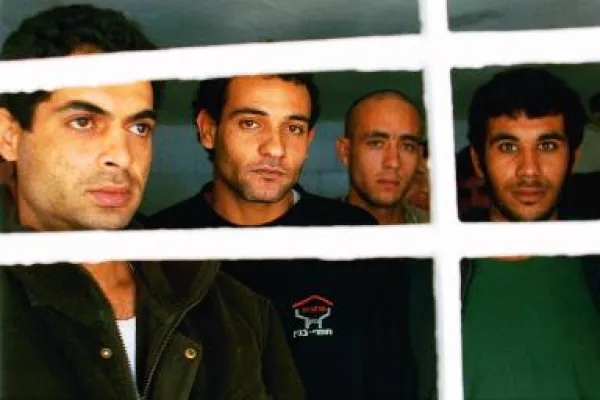
“As soon as I left prison, I went to Nael’s grave. It is adorned with the colors of the Palestinian flag and verses from the Holy Quran. I told my little brother how much I loved and appreciated him, and that, one day, we would meet again in paradise.”
The above is part of a testimony given to me by a former Palestinian prisoner, Jalal Lutfi Saqr. It was published two years ago in the volume ‘These Chains Will Be Broken’.
As a Palestinian, born and raised in a refugee camp in Gaza, I was always familiar with the political discourse of, and concerning, political prisoners. My neighborhood, like every neighborhood in Gaza, is populated with a large number of former prisoners, or families whose members have experienced imprisonment in the past or present.

As soon as I landed in Rome, I discovered that I was no longer able to access any Russian media whatsoever. Unfortunately, threats by European Commission President Ursula von der Leyen, that Europe should sever all links with “Russia’s propaganda machine” were taken seriously by the Italian government.
As a journalist, having access to only one side of the Russia-Ukraine war story was a major predicament. How is one to develop a rounded view of such a complex issue when only a one-sided narrative of the war is allowed to be propagated?
Of course, the problem is widespread, and has afflicted much of ‘democratic’ Europe. The continent that has often justified its political and military interventions in the affairs of other parts of the world in the name of spreading democracy is failing to adhere to the most basic principle of democracy: freedom of speech.