
THE G-20 IN PITTSBURGH
by Tom Over 9-23-09
<br><br>
On Tuesday, Sept 22, activists from Philadelphia, New York City, Pittsburgh and other cities held a mock funeral procession to demand better policies for addressing the AIDS pandemic, a day ahead of the arrival of delegates for the G-20.
<br><br>
The approximately 50 participants in the New Orleans-style funeral march drew a mix of interest, irritation, and amusement from onlookers in the business district of downtown Pittsburgh.
<br><br>
At the head of the funeral march where pallbearers carried a cardboard coffin, a man shouted into a microphone while someone else carried a portable amplifier, “when people with AIDS are under attack, what do we do ?” and marchers shouted in unison, “fight back!”
<br><br>
Amidst the early afternoon bustle of an weekday, the demonstrators repeated this call-and-answer and similar chants as the funeral march made its way around the perimeter of the David L. Lawrence Convention Center, the site of the G-20 Summit later this week.
<br><br>
Erica Goldberg works with ACT UP Philadelphia. She said global health is not on the agenda of the G-20 Summit.
“One of the things that some of the G-20 nations have promised us is funding for the global fund to fight, TB, malaria, and HIV/AIDS. This is all really important, especially if we want to meet the United Nations’ Millennium goal of eradicating these diseases by 2015. As of right now, this won’t be met. We have to hold our leaders accountable. They are the ones making decisions for the poorer countries,” Goldberg said.
<br><br>
She commented on the timing of the demonstration. “We wanted this to be the first thing they (the G-20 delegates) see. They’re coming here tomorrow. We’re holding them accountable. This needs to be on the agenda.”
<br><br>
She said AIDS activists chose Sept 22, two days before the official start of the G-20 Summit, and one day before the arrival of the delegates, so as to not have to compete with other protests. Also, she said the AIDS activists figured there would be less of a chance of conflict with police if they staged their protest earlier in the week.
<br><br>
“We hope that this will hit the papers tomorrow, that it’s the first thing they see when they walk in, that they have this on their conscience and know we’re not going away,” Goldberg said. She urges people to contact legislators about supporting the Global Fund to Fight AIDS, Tuberculosis, and Malaria.
“President Obama, as much as I love him, went back on his promise to fulfill the funding,” Goldberg said.
<br><br>
She commented on how drug companies factor into all of this. “ Medication does not need to be this expensive. They can definitely lower their prices. We have big drug interests lobbying to prevent AIDS medication from getting” to developing nations.
<br><br>
Goldberg said debt cancellation for developing nations is a factor that comes into play.
“When you don’t cancel debts of nations and they have to pay back loans to the IMF and the World Bank, they won’t have the funds necessary for getting AIDS medication, or they might get the medication but can’t pay the health professional because of their debt.
<br><br>
She said vested interested motivated by huge profits stand in the way of doing a better job of addressing tuberculosis, malaria, and HIV/AIDS. “We have the power, the ability, and the medication.”
World News

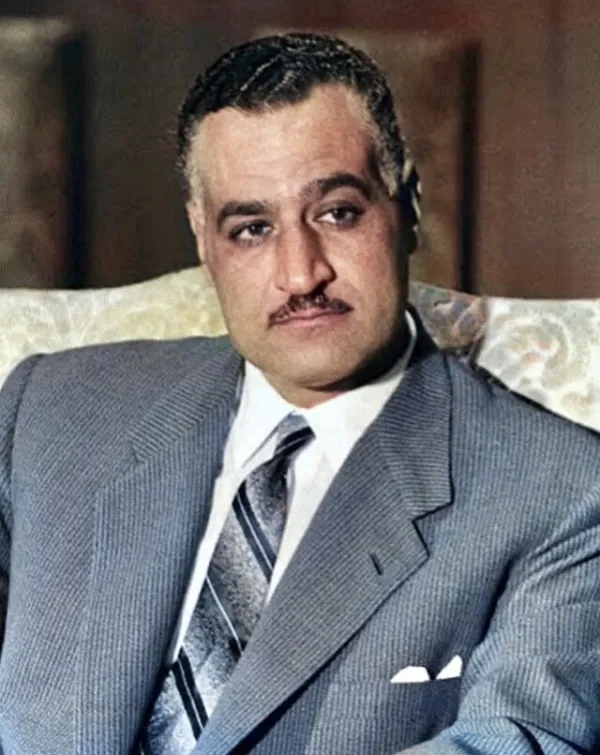
For my father's generation, Gamal Abdel Nasser wasn't just another Arab leader; he set the standard by which all others have been measured, and none have quite reached it.
For the Arab masses, and Palestinians in particular, Nasser was an icon. His heroic image, in the eyes of Palestinians, took hold in Al-Faluja, a key pocket of resistance against the Zionist takeover of historic Palestine in 1948.
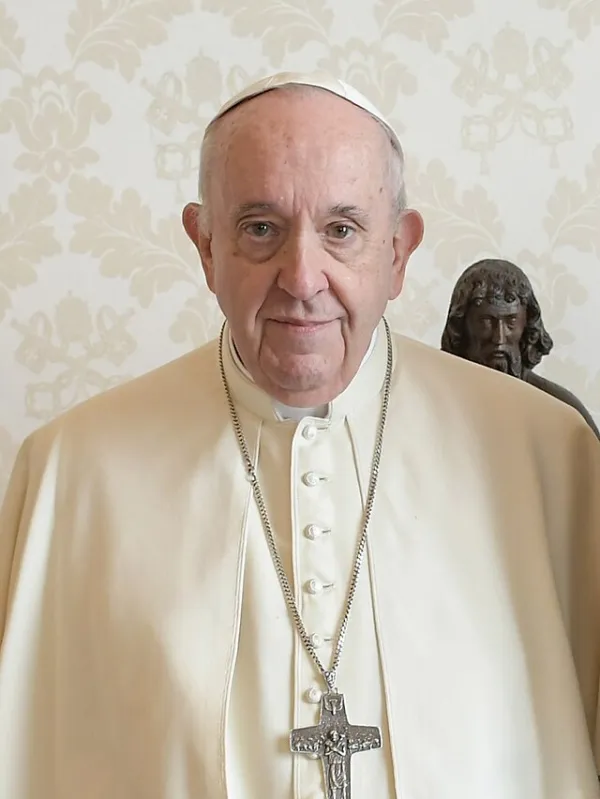
The world mourns Pope Francis, a good, loving man who brought the Holy Mother Church back to the people and made his native Argentina proud.
Francis was a welcome change after the orthodoxy and rigidity of former Pope Benedict XVI who sent an icy chill through Catholicism. Francis did a lot to soften the image of Catholicism despite the many sexual and financial scandals that beset the church.
For me, a non-Catholic, the most important thing about the late pope, born Jose Bergoglio in Argentina, was his choice of papal name: Francisco in the Latin tongues.
He modeled himself after Saint Francis of Assisi, born in 1182, one of the most important and majestic figures in Catholic history. St. Francis was among the first spiritual leaders to call for the protection of the environment and humane treatment of and respect for all animals. The Franciscan Order was created in tribute to his teachings. St. Francis’ famous prayer for peace:
Lord, make me an instrument of your peace:
where there is hatred, let me sow love;
where there is injury, pardon;
where there is doubt, faith;
where there is despair, hope;
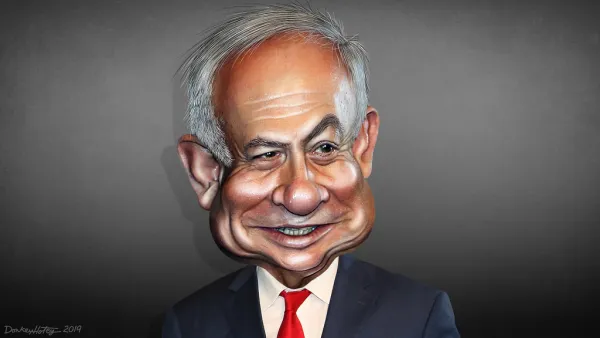
Israeli Prime Minister Benjamin Netanyahu's recent visit to Washington was no ordinary trip. The consensus among Israeli analysts, barring a few remaining loyalists, is that Netanyahu was not invited but, rather, summoned by US President Donald Trump.
All evidence supports this assertion. Netanyahu rarely travels to the US without extensive Israeli media fanfare, leveraging his touted relationships with various US administrations as a "hasbara" opportunity to reinforce his image as Israel's strongman.
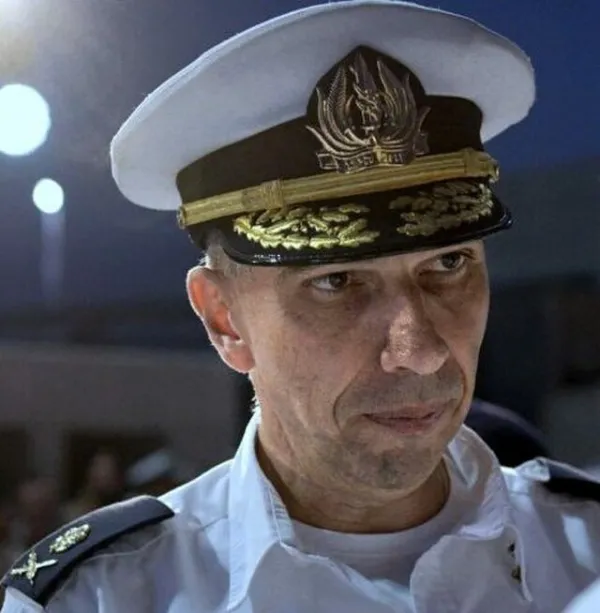
In just 24 hours, Israeli Prime Minister Benjamin Netanyahu nominated Eli Sharvit as the new chief of Shin Bet, Israel’s internal security agency, only to quickly retract the nomination.
This episode highlights the lack of coherence in Netanyahu’s leadership, reinforcing the perception that decisions at the highest levels of government are made impulsively and without a clear plan.
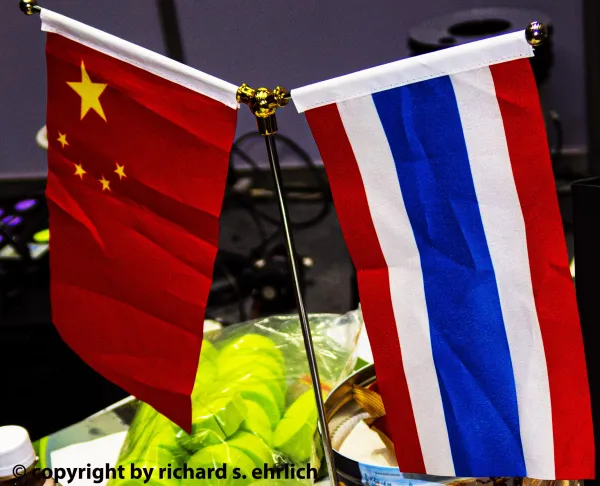
BANGKOK, Thailand -- China's Belt and Road Initiative projects are being scrutinized in Thailand after Myanmar's 7.7 earthquake pancaked a 30-floor building 600 miles away which Chinese engineers were constructing in Bangkok.
The incomplete skyscraper was the only building to collapse in the lightly damaged Thai capital.
The disaster exposed allegedly substandard steel reinforcing rods which had snapped, reducing the building to a huge rubble pile which crushed about 87 construction workers including 15 confirmed dead and 72 who disappeared.
"I watched multiple clips of the building collapse from different angles," a stunned Thai Prime Minister Paetongtarn Shinawatra said.
"From my experience in the construction industry, I have never seen an issue like this.
"We must investigate thoroughly because a significant portion of the budget was allocated, and the deadline for completion had been extended," Ms. Paetongtarn said.
The investigation began with a bizarre, troubling sight.
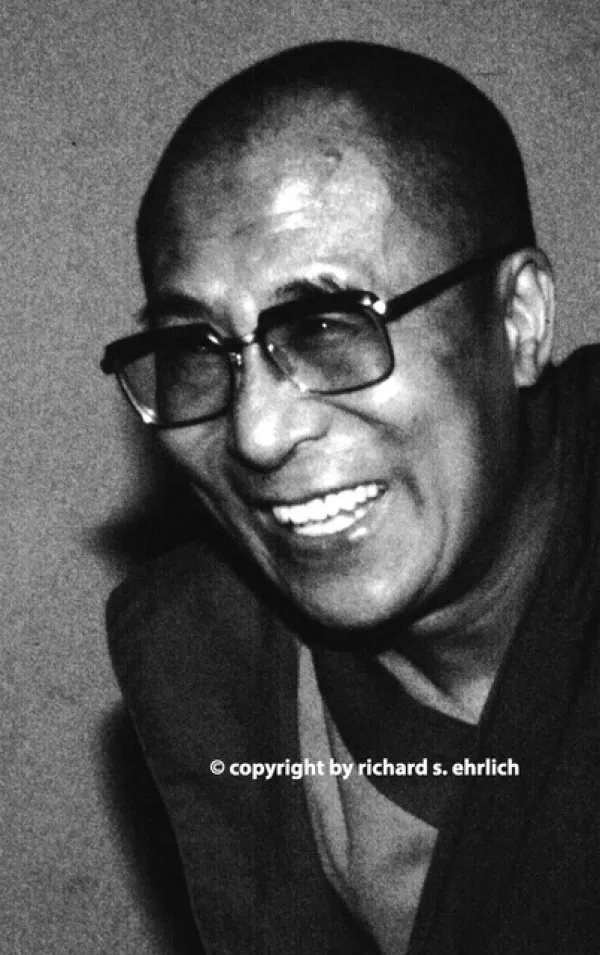
BANGKOK, Thailand -- The Dalai Lama's dangerous escape into India on March 31, 1959 fleeing Communist Chinese troops seizing Tibet, prompted the CIA's secret financing, training, arming, and parachute-dropping of Tibetan guerrillas into their homeland four months later.
On the 66th anniversary of that epic escape, India's Arunachal Pradesh state government, for the first time, opened a six-day public "Freedom Trail, Route of His Holiness the 14th Dalai Lama" trek on foot from the border into India following the original passage.
The unprecedented event may irk Beijing which began invading Tibet in 1951 and denounces the Dalai Lama as subversive.
The March 31-April 5 trek's main purpose however is to attract tourists and pilgrims to the mountainous route which showcases the Dalai Lama's historic journey and the Buddhist shrines, monoliths, stupas, and displays along the way.
Fearing execution or imprisonment, the Dalai Lama escaped from his gigantic, fortress-like Potala Palace in 1959 and began a dangerous two-week trek on horses and yaks southeast across Tibet's glacier-covered Himalayas and steep valleys to reach the Indian border.

The phrase "civil war" is one of the most dominant terms used by Israeli politicians today. What began as a mere warning from Israeli President Isaac Herzog is now an accepted possibility for much of Israel's mainstream political society.
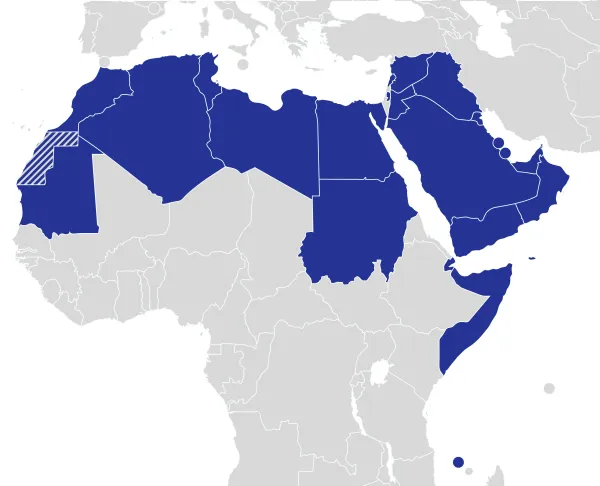
Explaining Arab political failure to challenge Israel through traditional analysis—such as disunity, general weakness, and a failure to prioritize Palestine—does not capture the full picture.
The idea that Israel is brutalizing Palestinians simply because the Arabs are too weak to challenge the Benjamin Netanyahu government—or any government—implies that, in theory, Arab regimes could unite around Palestine. However, this view oversimplifies the matter.
Many well-meaning pro-Palestine commentators have long urged Arab nations to unite, pressure Washington to reassess its unwavering support for Israel, and take decisive actions to lift the siege on Gaza, among other crucial steps.