
THE G-20 IN PITTSBURGH
by Tom Over 9-23-09
<br><br>
On Tuesday, Sept 22, activists from Philadelphia, New York City, Pittsburgh and other cities held a mock funeral procession to demand better policies for addressing the AIDS pandemic, a day ahead of the arrival of delegates for the G-20.
<br><br>
The approximately 50 participants in the New Orleans-style funeral march drew a mix of interest, irritation, and amusement from onlookers in the business district of downtown Pittsburgh.
<br><br>
At the head of the funeral march where pallbearers carried a cardboard coffin, a man shouted into a microphone while someone else carried a portable amplifier, “when people with AIDS are under attack, what do we do ?” and marchers shouted in unison, “fight back!”
<br><br>
Amidst the early afternoon bustle of an weekday, the demonstrators repeated this call-and-answer and similar chants as the funeral march made its way around the perimeter of the David L. Lawrence Convention Center, the site of the G-20 Summit later this week.
<br><br>
Erica Goldberg works with ACT UP Philadelphia. She said global health is not on the agenda of the G-20 Summit.
“One of the things that some of the G-20 nations have promised us is funding for the global fund to fight, TB, malaria, and HIV/AIDS. This is all really important, especially if we want to meet the United Nations’ Millennium goal of eradicating these diseases by 2015. As of right now, this won’t be met. We have to hold our leaders accountable. They are the ones making decisions for the poorer countries,” Goldberg said.
<br><br>
She commented on the timing of the demonstration. “We wanted this to be the first thing they (the G-20 delegates) see. They’re coming here tomorrow. We’re holding them accountable. This needs to be on the agenda.”
<br><br>
She said AIDS activists chose Sept 22, two days before the official start of the G-20 Summit, and one day before the arrival of the delegates, so as to not have to compete with other protests. Also, she said the AIDS activists figured there would be less of a chance of conflict with police if they staged their protest earlier in the week.
<br><br>
“We hope that this will hit the papers tomorrow, that it’s the first thing they see when they walk in, that they have this on their conscience and know we’re not going away,” Goldberg said. She urges people to contact legislators about supporting the Global Fund to Fight AIDS, Tuberculosis, and Malaria.
“President Obama, as much as I love him, went back on his promise to fulfill the funding,” Goldberg said.
<br><br>
She commented on how drug companies factor into all of this. “ Medication does not need to be this expensive. They can definitely lower their prices. We have big drug interests lobbying to prevent AIDS medication from getting” to developing nations.
<br><br>
Goldberg said debt cancellation for developing nations is a factor that comes into play.
“When you don’t cancel debts of nations and they have to pay back loans to the IMF and the World Bank, they won’t have the funds necessary for getting AIDS medication, or they might get the medication but can’t pay the health professional because of their debt.
<br><br>
She said vested interested motivated by huge profits stand in the way of doing a better job of addressing tuberculosis, malaria, and HIV/AIDS. “We have the power, the ability, and the medication.”
World News

In The Putin Interviews, a new series beginning soon on Showtime, Oliver Stone asks Vladimir Putin if he’s ever seen Dr. Strangelove. Putin hasn’t. So, Stone sits him down and shows it to him. Even Vladimir cannot quite keep his poker face. He says the problem depicted in the film, the risk of nuclear holocaust, is accurate but more dangerous now than when the movie was made. Stone gives Putin the DVD case, and Putin opens it to find it empty. “Typical American gift,” he jokes.
Early in the series there’s a good deal on Putin’s personal background, and a good deal of flattery from Stone, but hang on because the interesting questions are coming. Putin’s views on history and current politics are generally consensus views in Russia, but they will largely be new to U.S. viewers.
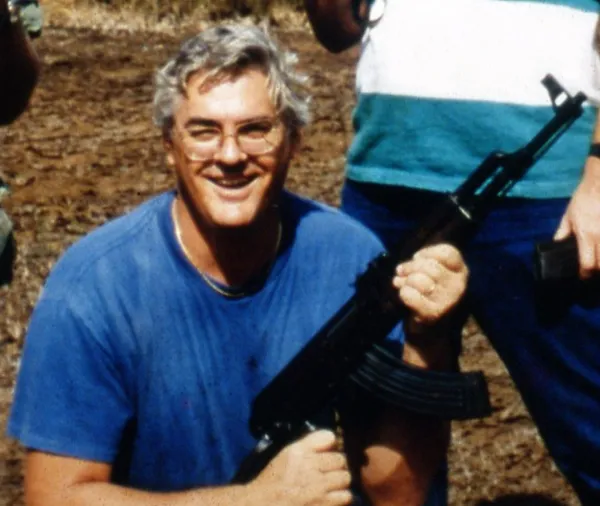
BANGKOK, Thailand -- When the U.S.-Vietnam War ended on April 30,
1975, a Central Intelligence Agency officer's two best military
sources committed suicide and an American diplomat endangered the
lives of escaping staff and CIA personnel, according to James Parker
the last CIA officer to evacuate Vietnam.
Earlier, off the coast of Danang, South Vietnamese who evacuated
onto a U.S. ship shot, stabbed, raped, trampled and executed each
other during onboard revenge attacks and panic, Mr. Parker, 73, said.
"As for my experiences back in Vietnam at the end, the absolute
chickenshit character of the men in the U.S. Embassy in Saigon, how
they were so petty and self-indulgent, so pedantic and so distant from
the fighting," contributed to the U.S. war's failure and chaotic end,
Mr. Parker said in an interview.
"Their pusillanimity disrespected the men, American and Asian, I
had known who died fighting the good fight.
"I'm speaking about all the Americans at the U.S. Embassy in
Saigon, though this does not include the Americans from the CIA that
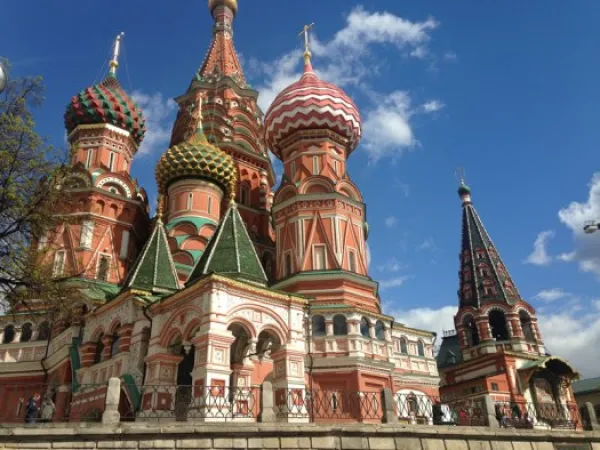
I suppose the list is lengthy and includes dancing, comedy, karaoke singing, vodka drinking, monument building, diplomacy, novel writing, and thousands of other fields of human endeavor, in some of which Americans can teach Russians as well. But what I’m struck by at the moment in Russia is the skill of honest political self-reflection, as found in Germany, Japan, and many other nations to a great degree as well. I think the unexamined political life is not worth sustaining, but it is all we have back home in the not so united states.
Here, as a tourist in Moscow, not only friends and random people will point out the good and the bad, but hired tour guides will do the same.
“Here on the left is the parliament where they make all of those laws. We disagree with many of them, you know.”
“Here on your right is where they are building a 30-meter bronze wall for the victims of Stalin’s purges.”
Moscow has a museum devoted exclusively to the history of the gulags as well.
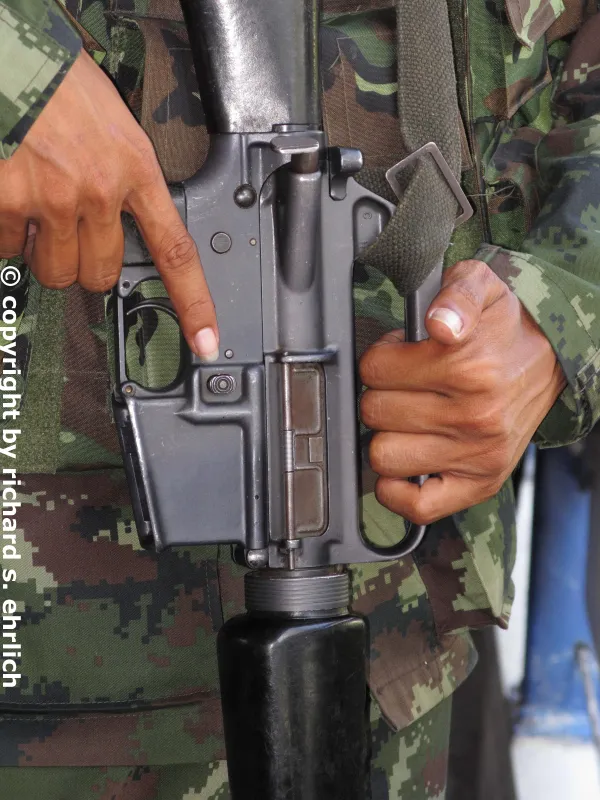
BANGKOK, Thailand -- A devastating car bomb exploded in front of a
shopping complex on May 9 in southern Thailand, minutes after a
smaller blast lured security forces and rescuers to the site, injuring
at least 56 people in the one of the worst attacks on a civilian
target this year.
Suspicion immediately fell on Muslim Malay-Thai insurgents fighting
for autonomy or independence from Buddhist-majority Thailand.
The stalemate conflict has killed 6,800 people on all sides since 2004.
Unidentified people parked the car bomb in front of a shopping
center in downtown Pattani, capital of Pattani province and exploded
it on May 9 at about 2:30 p.m. when the area was thronged with buyers
and sellers.
Some early reports said assailants first threw "fireworks" into the
Big C Supercenter and fled.
Other reports described the first attack as a motorcycle bomb
exploding in the entrance of Big C, causing minimal damage.
While trying to determine what occurred, security forces, rescuers
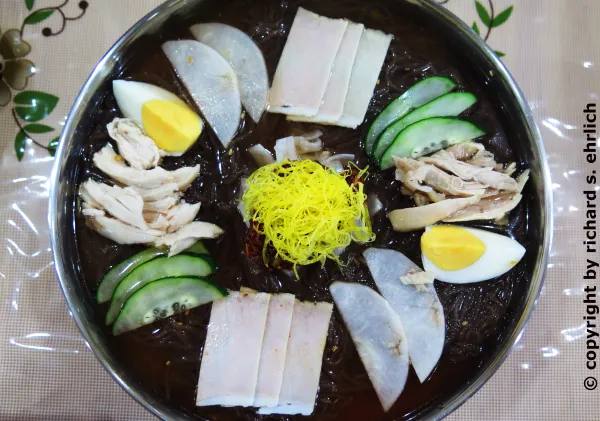
BANGKOK, Thailand -- The best way to experience North Korean cuisine
in Bangkok is at Pyongyang Okryu Restaurant where armed troops and
gleeful singers relentlessly try to brainwash you, while North Korean
women strip you of your freedom and delicately pull out your bones.
If you like, your noodles will be cheerfully scissored.
But be warned: the efficient staff are subject to instant mood swings.
The polka-dot clad waitresses begin with shy smiles and tender hand
waves while greeting you.
Suddenly however they can appear panic-stricken, drained of
emotions, or severely displeased if you stray from the menu.
You can eat a tasty but somewhat oily and salty meal while ignoring
the bizarre behavior around your plastic-covered table amid the
restaurant's permanent Christmas decorations.
If you are aware of North Korea's harsh regime, you may feel like
you have passed through an invisible membrane when you enter this
restaurant on trendy, upmarket Ekamai Road.
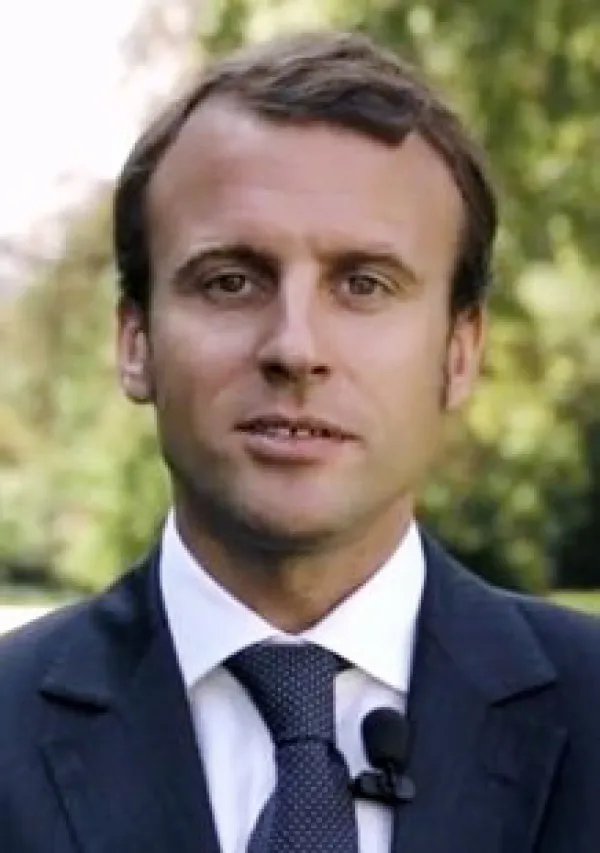
I could begin by stating that the world, despite small and justified protests, is celebrating Emmanuel Macron’s recent victory in the French presidential election. On the surface, it would be an accurate statement. People across the world from Western Europe to the United States are writing and posting about Macron and his saving the continent. But the excitement is really over Marine Le Pen’s loss. The French, overall, didn’t want to be seen as racist and isolationist. The rest of the world didn’t want another Donald Trump in power. Amidst all the hubbub since the election, it would be easy to think Macron is a progressive warrior who ended racism and nationalism in one fell swoop. That description isn’t even remotely close to who he really is, and it is a shining example of the problem with people thinking about politics in relative, rather than absolute, terms.

BANGKOK, Thailand -- Thailand's authoritarian coup leader Prime
Minister Prayuth Chan-ocha said Tuesday (May 2) he expects to enjoy a
much-needed boost to his military regime thanks to President Donald
Trump's surprise invitation to the White House.
"The U.S. president said that we are their good ally, and he
assured me that although we have been rather distant recently,
Thai-U.S. relations will now be closer than ever," Mr. Prayuth told
reporters on Tuesday (May 2).
While speaking with President Trump, Mr. Prayuth "affirmed that
Thailand stands ready to support and promote bilateral cooperation in
all fields, particularly trade, investment and security," announced
Deputy Government Spokesman Lt. Gen. Werachon Sukondhapatipak.
Mr. Prayuth will "support the constructive role of the United
States in maintaining peace and security in the region," Lt. Gen.
Werachon said.
Mr. Prayuth accepted the White House invitation and asked the U.S.
president to come to Bangkok.
No dates were announced for either visit.
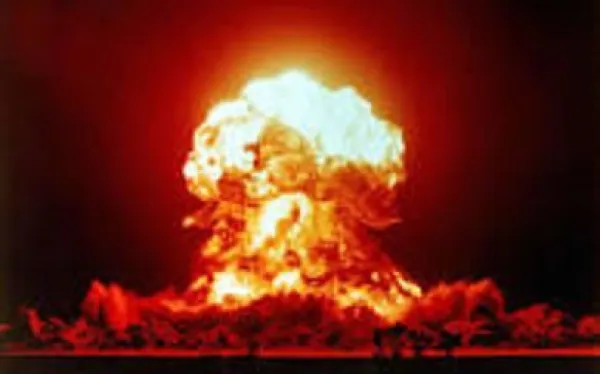
The Mother of All Lies is this: you can fix things by blowing them up. Alcoholics should not drink, and people who cannot watch TV and distinguish it from reality should not watch TV. Donald Trump watches a lot of TV and may very well believe what it teaches, namely that blowing things up solves problems. He certainly has figured out, as I knew he would, that the way to get love from the U.S. corporate media is to blow stuff up.
For many of us who are not believers in myths about good wars and just wars and defensive and humanitarian wars, war may have initially struck us as evil because it so directly does harm. Driving a gas-burning car helps render the earth uninhabitable, but only very slowly and only in combination with larger factors. Building a nuclear power plant risks horrible disaster, but it doesn’t intentionally and immediately create it. War, on the other hand, when looked at clearly, consists of mass murder described with other words. It’s direct and immediate and fatal and large-scale violence. What could be more evil?

BANGKOK, Thailand -- Alzheimer's and dementia can be triggered by
small silent strokes caused by high blood pressure, but "birthdays are
dangerous" and can be fatal for elderly people, warned a World
Federation of Neurology former president.
"We can begin preventing some dementia by preventing strokes.
That's the big news," said Dr. Vladimir Hachinski, a clinical
neurological sciences professor at Canada's Western University.
"The cutting edge, the big thing about Alzheimer’s disease, is that
with Alzheimer’s disease, pathology is very common -- a lot of people
have [Alzheimer’s] pathology -- but you need a trigger. And the
trigger is stroke," Dr. Hachinski said in an interview.
"It doesn't necessary have to be clinical stroke. There are little
silent strokes.
"So the big news is that you can prevent the Alzheimer’s pathology
from becoming dementia by treating the risk factors and preventing
stroke."
Dr. Hachinski specializes in stroke, vascular dementia and
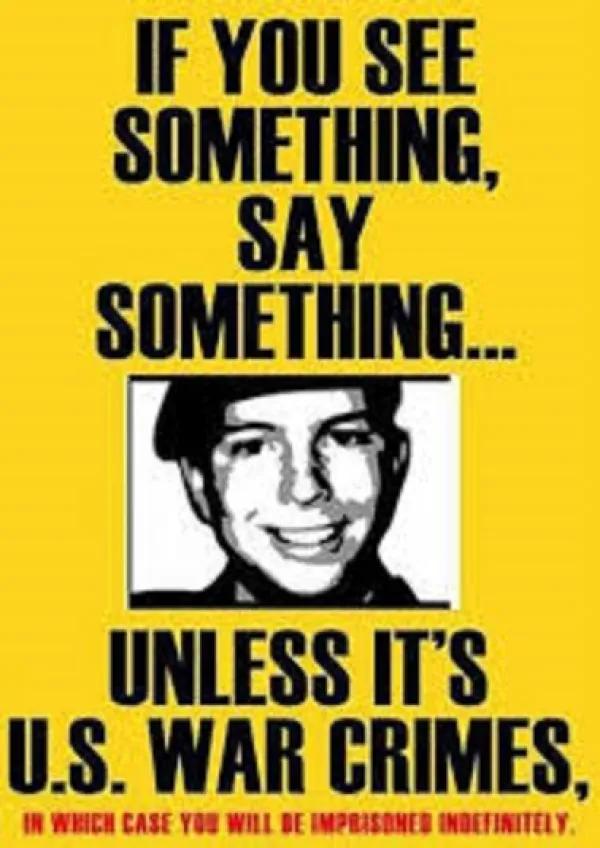
Michael Flynn participated in mass murder and destruction in Afghanistan and Iraq, advocated for torture, and manufactured false cases for war against Iran. He and anyone who appointed him to office and kept him there should be removed from and disqualified for public service. (Though I still appreciate his blurting out the obvious regarding the counterproductive results of drone murders.)
Many would say that prosecuting Al Capone for tax fraud was a good move if he couldn't be prosecuted for murder. But what if Al Capone had been funding an orphanage on the side, and the state had prosecuted him for that? Or what if the state hadn't prosecuted him, but a rival gang had taken him out? Are all take-downs of major criminals good ones? Do they all deter the right activities by up-and-coming criminals?
Michael Flynn was not removed by public demand, by representative action in Congress, by public impeachment proceedings, or by criminal prosecution (though that may follow). He was removed by an unaccountable gang of spies and killers, and for the offense of seeking friendlier relations with the world's other major nuclear-armed government.