
Global
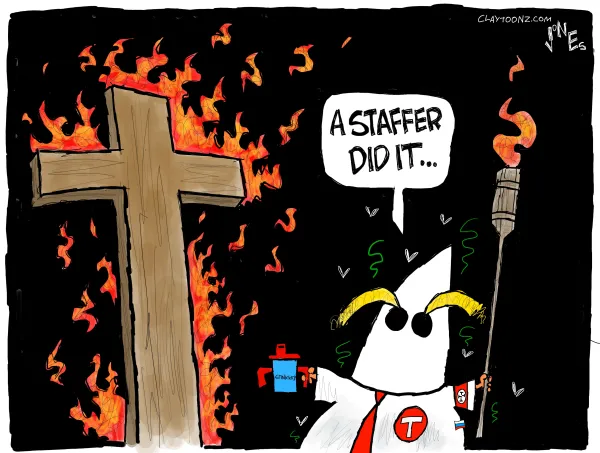
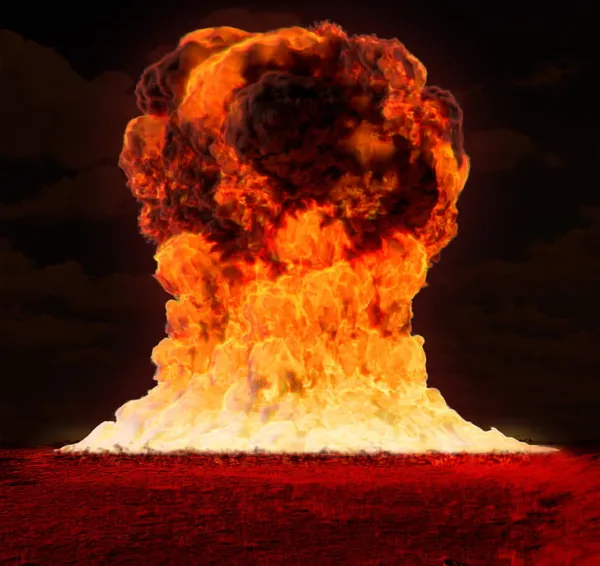
On January 27, 2026, the editors of the Bulletin of the Atomic Scientists moved the hands of their famous “Doomsday Clock” to 85 seconds to midnight―the closest setting, since the appearance of the clock in 1946, to nuclear annihilation.
This grim appraisal has impressive evidence to support it.
The New Start Treaty, the last of the major nuclear arms control and disarmament treaties between the United States and Russia, expired on February 5, without any serious attempt to replace it. New Start’s demise enables both nations, which possess about 86 percent of the world’s 12,321 nuclear weapons, to move beyond the strict limits set by the treaty on the number of their strategic nuclear weapons (the most powerful, most devastating kind), thus enhancing the ability of their governments to reduce the world to a charred wasteland.
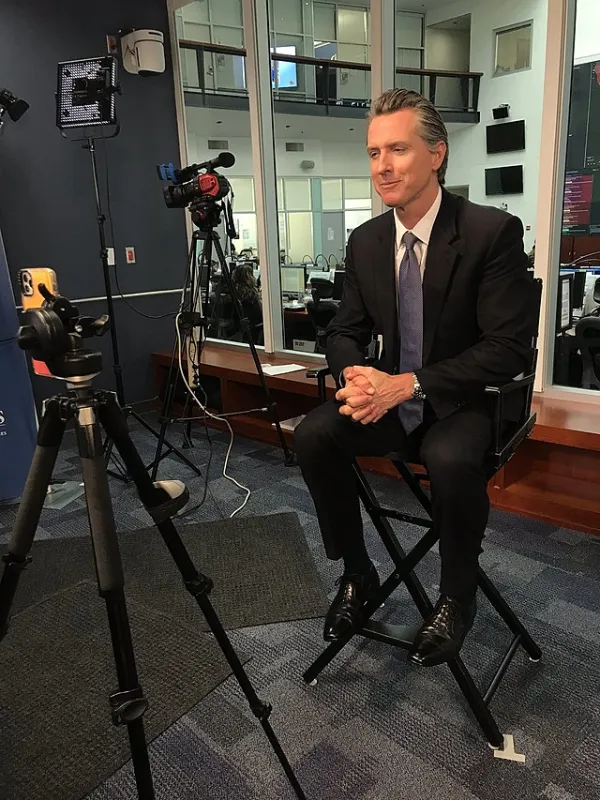
California Governor Gavin Newsom has made headlines this winter by vowing to defeat a proposal for a one-time 5 percent tax on billionaires in the state. Many national polls now rank him as the frontrunner for the Democratic presidential nomination in 2028, but aligning with the ultra-wealthy is not auspicious for wooing the party’s voters.
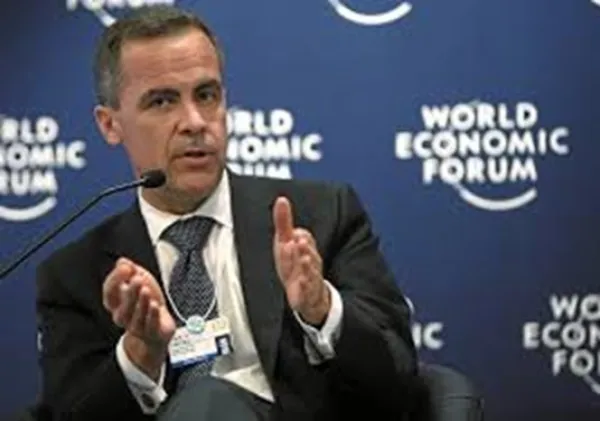
Canadian Prime Minister Mark Carney sounded more like a populist leader than a former central banker during his address at the World Economic Forum in Davos on January 20. Bemoaning the "fading" of the rules-based order, Carney delivered a surprisingly blunt speech. "The old order is not coming back," he declared. "We are in the midst of a rupture, not a transition." In this new reality, he warned, quoting Thucydides, "the strong can do what they can, and the weak must suffer what they must."
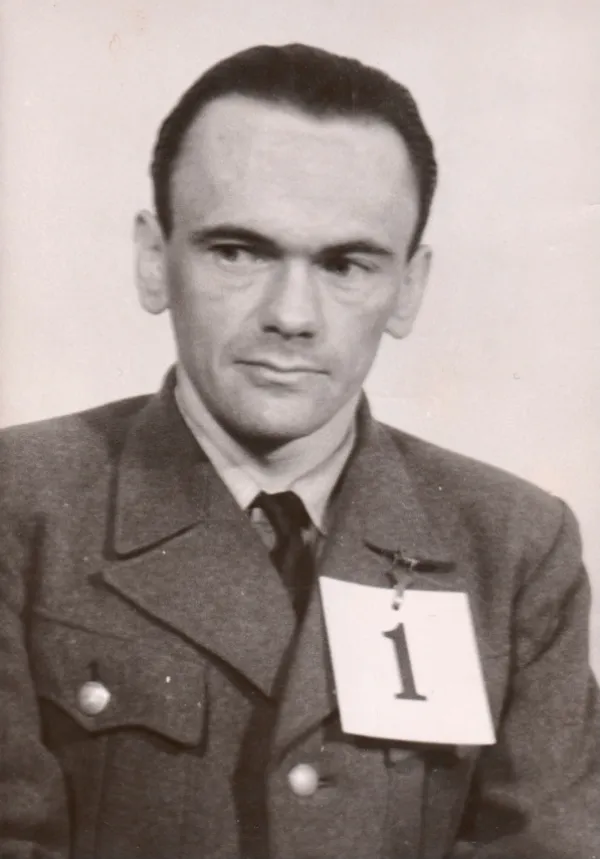
Steve Bannon has clarified the real target of Trump’s ICE/Gestapo Wave of terror: the 2026 election.
Nationwide polls and early special elections indicate a likely massive public rejection of the Trump madness.
But this regime won’t tolerate any outcome that would hand Congress to the Democrats.
So it’s launching a Gestapo attack on the electorate.
From Hitler’s Nazis to advanced totalitarian states to fascist juntas in Third World nations throughout history, the agenda is clear: crush democracy.
The ICE killings and terror from Minneapolis to Los Angeles to Charlotte to many other cities, campuses and rural reaches throughout the US are anything but random. They are the early stage of a coordinated dictatorial assault on the mid-term vote scheduled for November.
Trump has fantasized about cancelling that election altogether. If he could, he would.
But America’s popular and institutional resistance might run too deep.
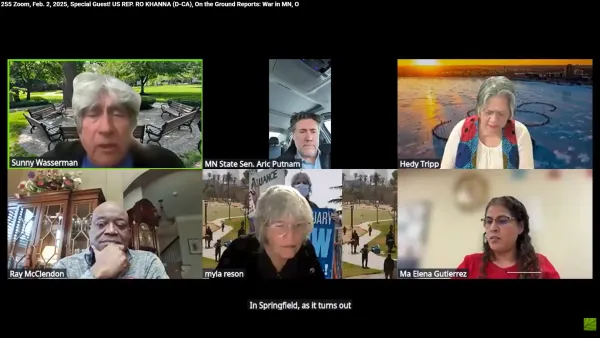
To start GREEP Zoom #255 we visit with HEDY TRIPP in St. Cloud, followed by her own state rep.
From DR. MELISSA BIRD we get the latest news from Oregon’s anti-ICE resistance.
Radio host LYNN FEINERMAN tells us that ICE is assaulting our democracy 24/7.
Co-convenor MIKE HERSH introduces us to the great progressive US REP RO KHANNA (D-CA).
Rep. Khanna pledges to help stop funding ICE while also phasing out the Diablo Canyon nukes & lower rates in CA.
From Atlanta RAY MCCLENDON reports on the FBI raid against the election facility in Georgia.
Congressional candidate DR. MELISSA BIRD asks Rep. Khanna to consider Indigenous rights against the ICE attack.
MN State Sen. ARIC PUTNAM, Chair of the Ag Committee reports ICE attacks against the East African community.
With her brother kidnapped, MN resident MA ELENA GUTIERREZ reports on ICE’s gestapo tactics first hand.
From STEVE CARUSO we hear a report on the illegal intervention of spy chief Tulsi Gabbert.
Co-convenor MYLA RESON reminds us that Donald Trump personally called into the FBI raid against the raid against GA elections.

In recent weeks, the United Arab Emirates has begun to put forward an initiative concerning the management of civilian affairs in the Gaza Strip after the war through organizing economic and service sectors, managing markets and commercial activities, and establishing logistical centers for distributing goods within the Strip.
What is striking about this initiative is that it was not presented within a comprehensive Palestinian or Arab framework but rather through direct talks with the United States and Israel, in a clear attempt to obtain their political and security approval. This suggests that the administration of Gaza is a matter to be decided in consultation with the occupying power and its main ally, not with the people of the land themselves.