
Global
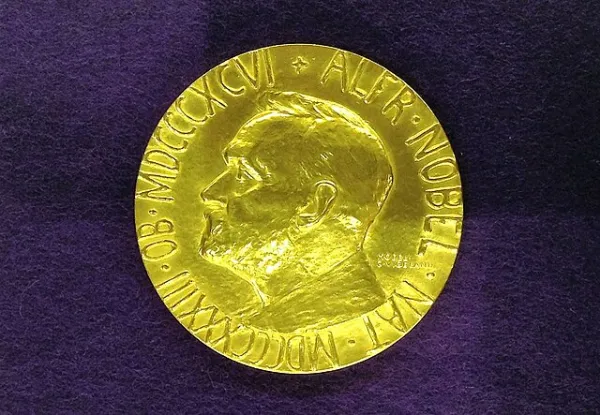
Congratulations are in order for Nihon Hidankyo, the Japan Confederation of A- and H-Bomb Sufferers Organizations. The Nobel Peace Prize has for the first time in at least six years gone to a group of people who work to reduce warmaking, people who in fact seek to abolish nuclear weapons. Nihon Hidankyo has relentlessly done the work of educating the world, thanklessly, for many years. This prize should be celebrated far and wide.
Congratulations are also in order to the Nobel Committee, for somehow manintaining the prestige of the Nobel Peace Prize despite how the committee has mistreated it time and time again, and for — this time — getting it right. May this mark a new principled commitment!
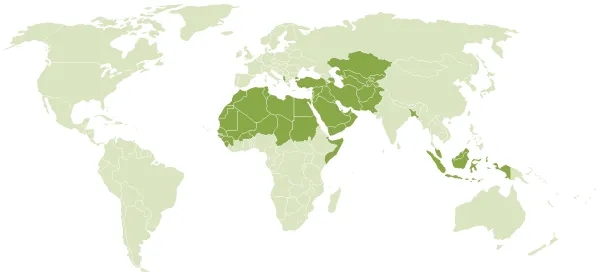
The last year of a relentless Israeli war on Gaza, and bloody raids and violence in the West Bank have been largely viewed in terms of their horrific humanitarian outcomes: the unequaled killing of tens of thousands, the obliteration of Gaza and the destruction in the West Bank.
While humanitarian urgency must indeed be a priority, other factors are also deserving of consideration, especially as we mark the one-year anniversary of the ongoing war.
Even though the mass killing is yet to end, there are several conclusions that can already be drawn about the long-term consequences of the war.
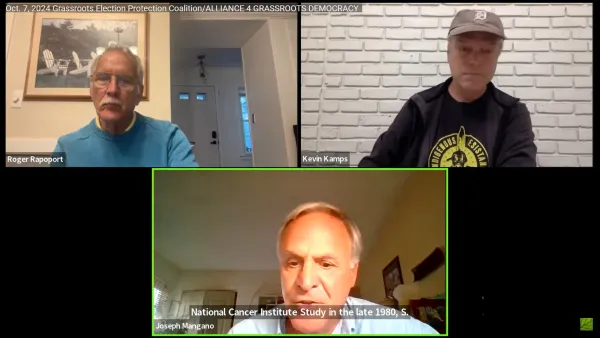
We start GREEP Zoom #193 with the great ANDREA MILLER, who lays out her powerful push for getting out the vote in key swing states, including Florida, Georgia and North Carolina.
STEPHEN SPITZ explains his very mixed experience with young election workers at the University of Michigan.
RAY MCCLENDON follows by describing the mixed impacts of manipulated polls and the stripping of voter registration rolls in Georgia and elsewhere.
A major election outcome prediction made by Alan Lichtman, who has been right many times before, is analyzed by TATANKA BRICCA.
We then shift gears to our Nuclear Webinar, starting with Michigan-based reporter ROGER RAPOPORT, who gives us the low-down on the insane attempt to re-fire the Palisades atomic reactor.
World-renowned health researcher JOE MANGANO confirms the death toll from TMI, Fermi, Palisades and other nukes linked to radiation emissions from these “perfectly safe” loser reactors.
KEVIN KAMPS of Beyond Nuclear adds Fermi I and other destroyed or decrepit nukes to the murderous list.
We pay homage to the great Philadelphia Inquirer op ed against TMI from the great Jane Fonda.
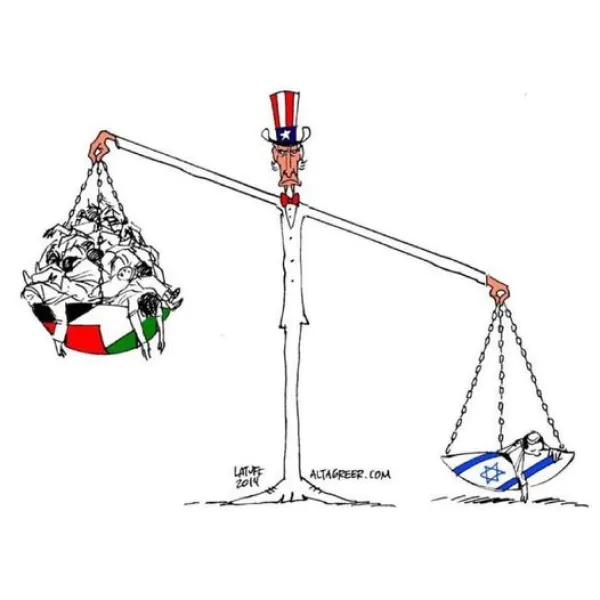
The U.S. government often claims to stand for the rule of law, but this past year has made it painfully clear that this doesn’t apply to Palestinians. The moral, financial, and security costs of U.S. support for Israel’s rapidly expanding wars are adding up for Americans, too.

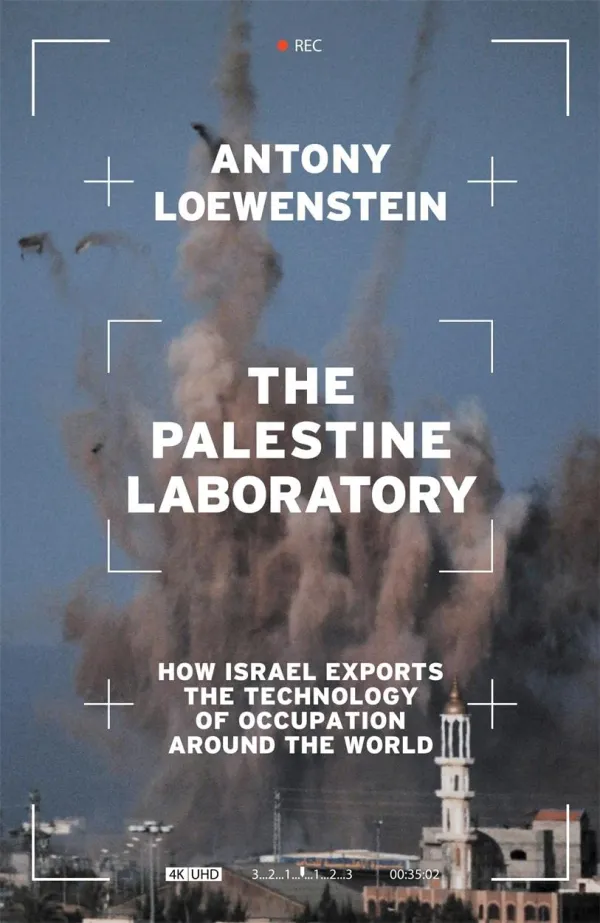
Colonialism is hardly a thing of the past – it’s alive and vibrant as ever . . . from the Middle East to Western Europe to the United States to India and God knows where else. And it can be profitable as hell, at least for the right industries.
Be afraid. Be very afraid!
This is true especially if you belong to a wealthy, heavily armed nation – because your enemies are everywhere, clustering at your borders or, even worse, daring to claim possession of their ancestral land and inconveniencing your possession of it.