
Global
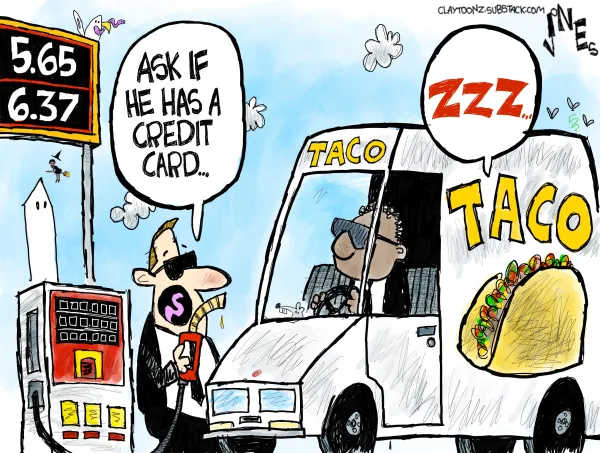
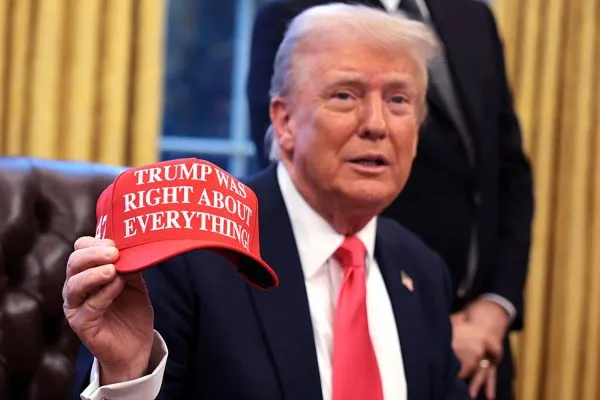
Hardly a week goes by when Donald Trump is not the centerpiece and source of a lie so outrageous or an accusation so heinous that one has to sit back gazing at one’s computer screen, stunned by the audacity and shaking one’s head in disbelief. But even after what is now more than a year and a half of exposure to Trumpism, there is sometimes an insult, or a gesture, or an insane narrative that moves one to something beyond that, akin to shock in the realization that it is our country and even a large part of the world that is being damaged by the asinine performance. Last week’s exposure of the presidential airplane switching performance in Ankara Turkey a month ago is one such wake-up moment that is by its very absurdity revealing of everything that has gone crazy off-the-charts during the past year or so.

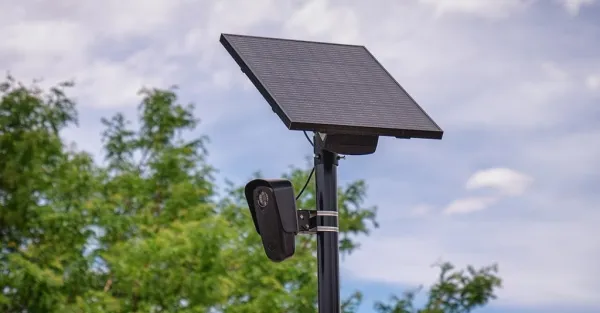
In an article titled “The Government is Monitoring Anti-Flock TikTok and Instagram Accounts,” 404 Media reports:
“Government surveillance centers are monitoring viral anti-Flock Instagram posts, warning local police about upcoming DeFlock events including one scheduled to start next week, and have told cops to ‘increase patrols around ALPR [automatic license plate readers]’ as backlash to Flock grows, according to government intelligence bulletins obtained using public records requests. The documents also warn about devices ‘that could be used to identify the locations of Flock cameras.’”

Murdering foreign leaders is not something any American president should ever do. How can the US uphold its claim to be a champion of laws and political decency while committing murder and sabotage?
Alas, Donald Trump is not the first US president to stoop so low. The Eisenhower and Kennedy administrations enlisted gangsters in attempts to remove the irksome Cuban strongman, Fidel Castro. Sixty-eight or more years later, the US is still trying to strangle long-suffering Cuba by blockading its food and oil and sabotaging its electrical system.
How did the US get into this sordid business? The US government has been largely usurped by Israel’s extremist far right government and its American fifth column – what the late renowned Israeli journalist Uri Avnery used to call ‘Jewish fascists.’ Most of the US media dares not use this term, however appropriate. Israel’s current rightwing government has fallen completely in thrall to extreme rightist groups, many in league with US-based ultra-Zionist groups agitating for an ever-greater Israel from the Nile to the Euphrates.

July 5, 2026, was a historic day for Muslims, especially Muslim women, in the state of Mississippi.
On that day, Assma Ali announced that she had been appointed a municipal court judge in Mississippi. In a statement celebrating the appointment, Ali wrote that she was “honored and humbled” and pledged to continue serving her clients as an immigration attorney while faithfully carrying out her judicial responsibilities.
Ali's appointment is significant not simply because she is a woman or because she wears the hijab, but because her appointment represents another step in the growing presence of Muslim Americans in the American legal system.
Yet instead of celebrating that milestone, some politicians have chosen to question whether a Muslim woman belongs on the bench at all.
That raises a fundamental question: Why should a Muslim woman be considered unfit to serve as a judge simply because she is Muslim?

It is now official: Israeli Prime Minister Benjamin Netanyahu has flatly rejected the core conditions of the Board of Peace framework, explicitly stating that Israel will neither adhere to a ceasefire nor withdraw its forces from Gaza.
During a cabinet meeting on Sunday, Netanyahu stated with unambiguous language: "Israel rejects the 15-point document published by the Board of Peace for Gaza".
In a previous conversation with lead envoy Nickolay Mladenov, Netanyahu set conditions—such as demanding unilateral operational freedom for the Israeli military to strike inside Gaza at will—that render a genuine peace agreement structurally impossible.

When drug addicts show up on the big screen, you generally see them making a series of unwise choices as their lives change from bad to worse. They seem either unwilling or unable to fight the habit that’s dragging them down.
That’s what makes Union County so unique.
The Ohio-based film shows victims of rural America’s opioid epidemic actually making the effort to escape their addiction and get their lives under control. It’s a difficult task, but they have the advantage of being supported by a legal system that’s focused on helping rather than punishing them.
Written and directed by Adam Meeks, the drama centers on Cody Parsons (Will Poulter), who became addicted to opiates when he was still a teenager. Years later, he’s already spent time in prison and is living out of his car when he finds himself in front of a drug court.
There, he’s faced with a judge who practices tough love by enrolling him in an adult recovery program. Stay clean and follow the rules, he’s told, and you’ll keep your freedom. Break the rules, and you could end up back behind bars.
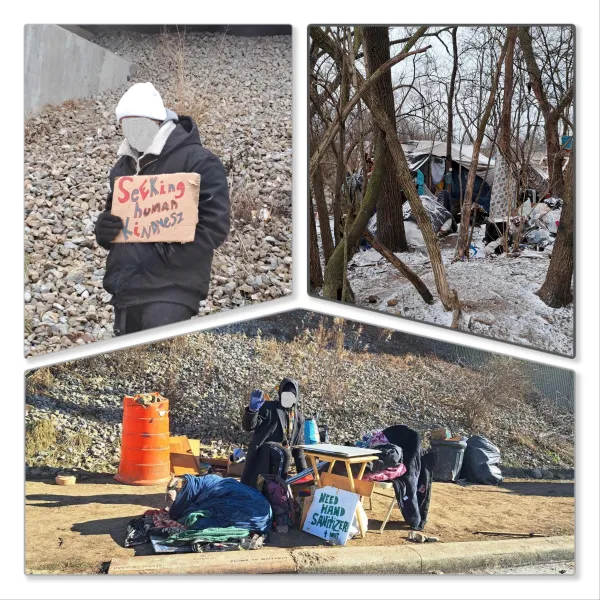
It is that time of year when everyone yearns for the temperature to come down. I remember summer days when I used to wish for winter snow. I used to love the winter. All of that changed after I spent my first winter homeless.
For the purpose of telling my story, there isn’t a need to explain how I got there. There are so many paths to homelessness these days that we should not assume nor judge anyone ‘out there.’
The past winter in Columbus was brutal. It started early; it held on late. There was a three-week period when the temperature was close to, or under, ten degrees. Snow came and didn’t get a chance to melt before the next round. It made me hate winter. In fact, it made me leave Columbus for which I have called home for over forty years (I am currently residing in California).
When you are really ‘out there,’ cold hits different. Being able to go inside is more of a luxury than you may realize. Enduring cold sets into your bones in a painful way. It takes far longer to get warmed up. When you have health problems, as most of us out here do, it makes your body even less prepared to regulate it.