Global


We then dive deep into the nightmare of money in politics with GREG COLERIDGE of Move to Amend.
RAY MCCLENDON of Communities United for Justice gives us the full report for embattled, disenfranchised Georgia.
We take a deep dive into the dark world of the Electoral College and the possibility that the 2024 election could hinge on MAGA decertifying enough states to swing the presidency.
WENDI LEDERMAN gives us the latest report from Ron Desantis’s Florida.
PAUL NEWMAN, MIKE HERSH, MYLA RESON & LYNN FEINERMAN give us great insights into saving our democracy.
Chair SUSAN YOUNG of the Pacifica Radio National Board gives us the call to vote in the on-going Pacifica election.
DR. RUTH STRAUSS updates us on Pacifica and the protection of our national election.
TATANKA BRICCA then introduces the great DENNY ZANE, former mayor of Santa Monica, who explains the Earth-moving referendum process in Los Angeles.
Denny is joined by the great LINDA SEELEY of the Mothers for Peace of San Luis Obispo, working for 50 years to shut the insane reactors at Diablo Canyon.


Like most Americans, Vice President Kamala Harris has evolved on marijuana.
In 2010, when she was San Francisco’s district attorney, Harris urged voters to reject a proposed ballot initiative to legalize the adult-use marijuana market. At the time, Harris’ position aligned with that of most California voters, 54 percent of whom ultimately decided against the measure.
But not long after, Harris — and most Americans — changed their stance.

Trump has shot himself in the head, politically. While pundits are fixated on how Trump offended Black voters by saying Kamala Harris identified as Indian-American, not Black, they have missed The Big One: The Donald offended Asian-American voters.
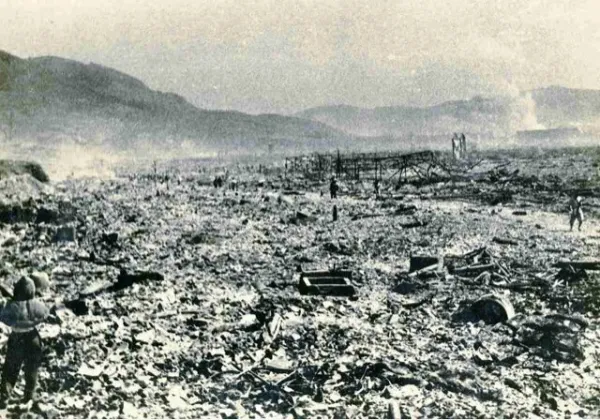
There is no difference here between America's atomic bombs and the bombs of destruction and annihilation that "Israel" drops on the people of Gaza which are smart American bombs that have many similarities and bloodiness to those found in successive American administrations which are united by the characteristic that they are inhumane administrations.
In Hiroshima and Nagasaki in August 1945, the population was exterminated and in Gaza they have been doing the same thing for ten months. Yes, and we do not exaggerate when we mention that the size of the destructive force and the number of bombs that fell on Gaza and as a reminder and so that we never forget, "Israeli" American, German, British, French and Western bombs in general.
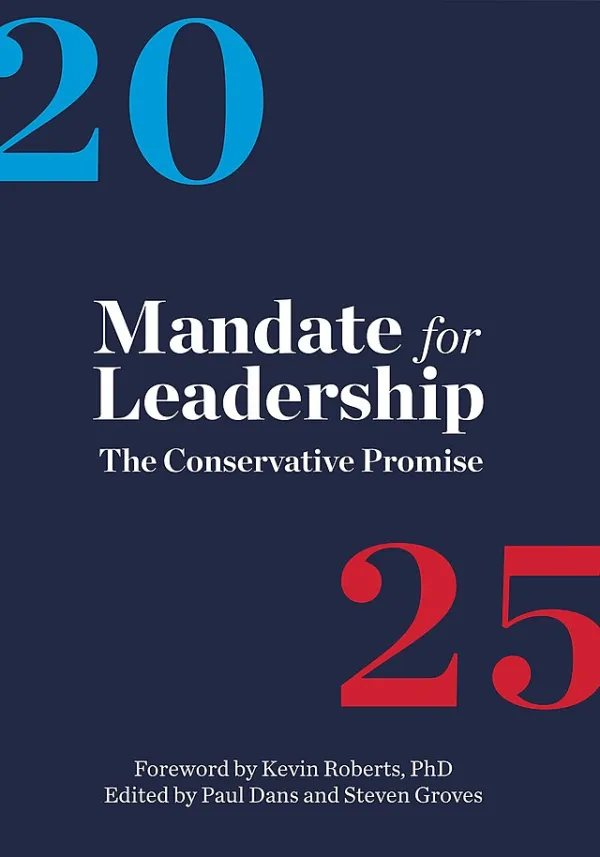
The right-wing Republicans . . . the Christian nationalists . . . have hoisted their flag: Project 2025, a.k.a., Project Hell on Earth, and it’s coming to a future near you. Or so they believe (and hope).

And they searched his chest
But could only find his heart
And they searched his heart
And could only find his people
(Palestinian Poet Mahmud Darwish)
I hope we all continue to post about the ongoing genocide. We will not
rest, we will not stop- because this is the moral and most critical issue
of our time, the test of humanity and the test for all who claim they want
peace.
UN Office of the Coordinator of Humanitarian affairs. Update #199!
https://www.ochaopt.org/content/humanitarian-situation-update-199-gaza-strip
but it is even worse: In Gaza, the Casualty Rate Is a Mere Fraction of the
Death Rate. Starvation. No Food or Medical Supplies are Entering Gaza