
Global

Q: Why does it matter what really happened to John F. Kennedy on November 22, 1963 OR to Martin Luther King, Jr on April 4, 1968 OR to Robert F. Kennedy on June 6, 1968 OR to Malcolm X on February 21. 1965 OR to Minnesota Senator Paul Wellstone on October 25, 2002 OR, for that matter, to the three World Trade Center skyscrapers on September 11, 2001?
A: “The national leader of the people is only a figurehead and has no real power. Power lies behind the scenes within dark secrets. Others pull the strings of the politician puppets. If an upstart, politician puppet makes waves or rocks the boat or doesn’t play ball…that puppet gets eliminated. It is why Caesar was killed. It is why Kennedy was killed. If you disturb the real power structure, you can be targeted for removal. Such ‘assassinations’ demonstrate to the world who has the real power; it is a bloody statement of who is really in charge; and the truth is our secret rulers control from dark shadows.” -- Doug Yurchey
“Don't worry, Mr. President, help's on the way. Your brothers are coming, there'll be hell to pay.
“Brothers? What brothers? What's this about hell?

Our first GREEP zoom of 2024 lays out in deep detail the Grassroots path to defeating dictatorship in this fall election.
ANDREA MILLER and RAY MCCLENDON are the two major architects of “relational” organizing in the southeastern US.
For nearly two hours they lay out the foundational guidelines for a winning strategy among ordinary voters throughout the US.
This presentation will be at the core of progressive non-media-based electoral work for the coming year and beyond.
Needless to say, the future of American democracy rests on the clarity and success of this presentation.
WENDI LEDERMAN adds a brutal assessment of the attack on a woman’s right to control her own body.
JUSTIN LEBLANC adds broad perspective to the issue.
STEVE CARUSO reports on the absolute insanity dominating Ohio.
DR. NANCY NIPARKO gives us critical data on women’s health in the US.
TATANKA BRICCA warns of the loss of our republic.
MYLA RESON bids us a fond farewell.
And we congratulate the University of Michigan football team on its first natonal championship in many decades.
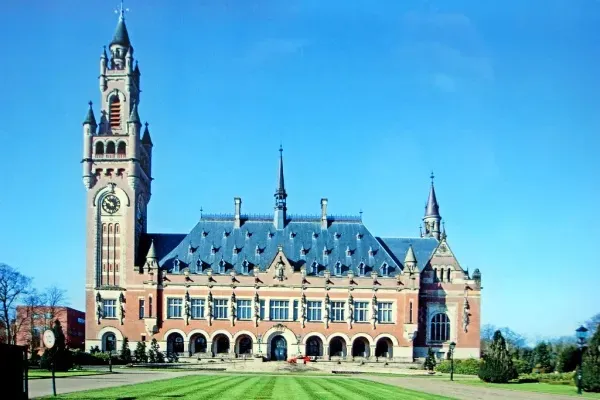
The opening session at the International Court of Justice with excellent
initial presentations from the South African Delegation of expert Judges
(of various backgrounds):
Video (4 hours) https://webtv.un.org/en/asset/k11/k11gf661b3
Case before the ICJ (84 pages) https://www.icj-cij.org/index.php/node/203394
BRIEF ANALYSIS: The brilliant presentation by the South African Team is a
very, very strong case in my opinion and the opinion of non-engaged global
legal experts (and anyone who have seen the genocide unfold live). The body
of evidence to be presented is overwhelming and it connects so many
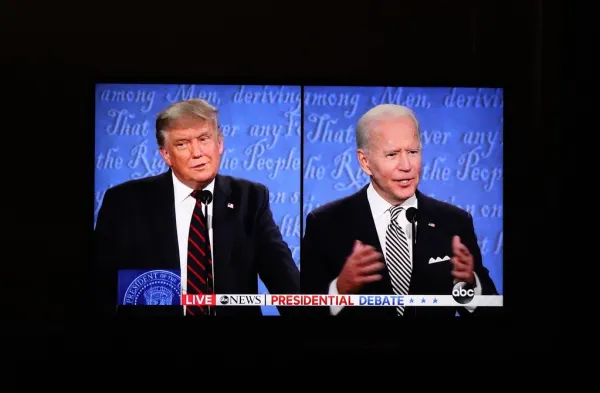
An avalanche of polling shows Joe Biden with abysmal approval ratings and grim re-election prospects, but Democratic leaders keep spinning away in dreamland.
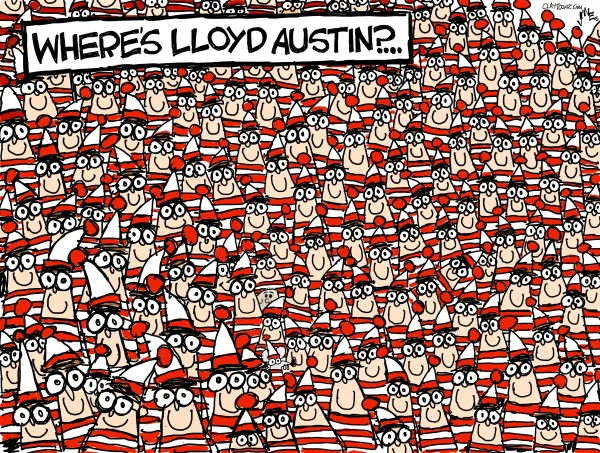

Thousands of miles separate Uganda and Congo from the Gaza Strip, but these places are connected to Palestine in ways that traditional geopolitical analyses would fail to explain.
On January 3, it was revealed that the far-right Israeli government of Benjamin Netanyahu is actively discussing proposals to expel millions of Palestinians to African countries, in exchange for a fixed price.
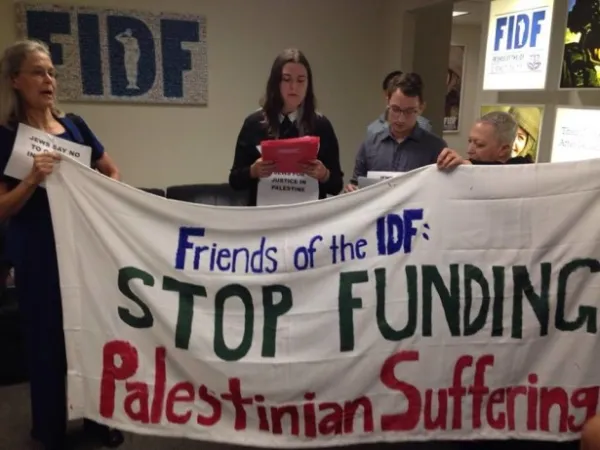
“I am begging the world: stop all the wars, stop killing people, stop killing babies. War is not the answer. . . .War is not how you fix things. This country, Israel, is going through horror. And I know the mothers in Gaza are going through horror. . . .”
I can only kneel in awe.
Yes, there is sanity in the world – moral sanity – even, and especially, now, as revenge rages in Israel, fed by American armaments. There are courageous voices calling not simply for “peace,” essentially understood by much of the world as nothing more than a ceasefire, but for, oh my God, compassion, healing, love. The “enemy” is as human as we are! And waging war against the enemy guarantees nothing but . . . endless war.