
Global
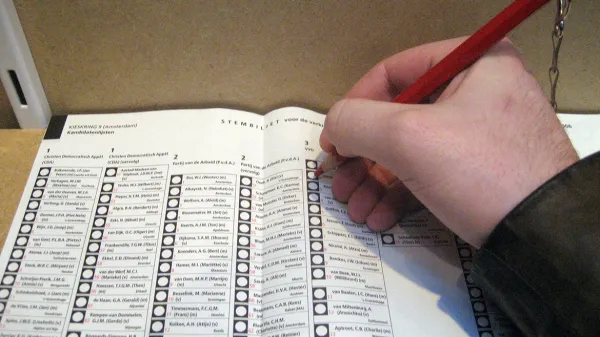
If Donald Trump ever does leave the White House, we can in large part thank paper ballots.
Trump’s desperate assault on 2020’s popular vote has drawn justifiable contempt. But had this election predominantly been conducted on the computerized touchscreen machines that have dominated our electoral process since Florida in 2000, Trump could well be headed for a stolen second term.
Hand-marked and hand-counted paper ballots have long been at the core of the U.S.’s rising election protection movement. They were largely scorned after the disastrous 2000 campaign, when badly designed “butterfly ballots” and “hanging chads” undermined Florida’s election, giving George W. Bush an Electoral College victory despite losing the nationwide popular vote
High-profile hackers’ mockery of the machines has also helped to damage their credibility. For example, one professor hacked a “secure” touchscreen and got it to play the University of Michigan fight song.

1. Reports on the climate collapse have stopped in some cases the nonsense talk about needing the United States to "lead," and even gone beyond urging it to get out of last place, and begun demanding that it do its fair share to undo its share of the damage. That's the same thing we need on militarism, when U.S. weapons are on both sides of most wars, almost all foreign bases are U.S. bases, and most people in the U.S. can't begin to name its current wars, drone murders, or nations with U.S. troops in them. We saw this past year that moving even 10% out of militarism, even explicitly to address a health crisis killing huge numbers of people in the United States, was too great a blasphemy. The biggest chance of reducing militarism, winding back the nuclear doomsday clock, and funding a serious Green New Deal is to make demilitarization part of a Green New Deal. That means telling your misrepresentative and senators that, and telling every environmental organization that. Here are some resources to help:
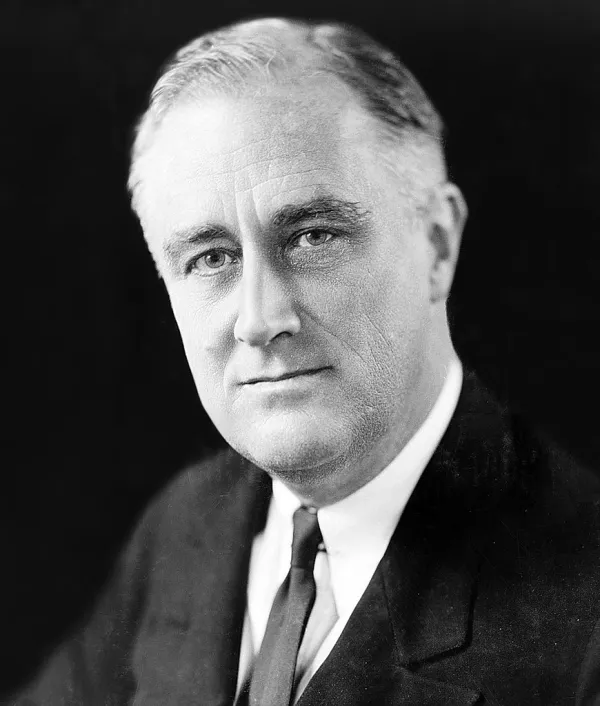
Smedley Butler won’t be around next year to save us.
The former Marine Corps general was offered a ton of money in 1933 to murder newly-elected president Franklin Roosevelt and stage a fascist coup.
Armed with the then-huge sum of $3 million, infamous billionaires funded a “Banker’s Plot” with 500,000 armed thugs set to erect a corporate dictatorship atop FDR’s grave.
Butler had led US troops throughout Latin America during the “Dollar Diplomacy” 1920s. He crushed grassroots uprisings and installed brutal dictators. America’s richest barons now wanted him to do the same thing here.
But they chose the wrong guy. In shocking Congressional hearings, Butler blew the whistle on (until then) US history’s best-funded attempted coup. “War,” he warned, “is a racket.”
The super-rich plotters hotly denied Butler’s account. None of them went to prison.
Butler won’t be around next year to expose the Trump coup attempt, already in progress. He won’t have to. It’s already visible for all to see.
But can we stop it?
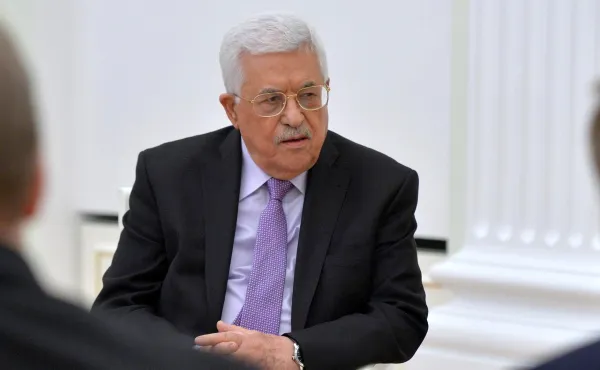
No one seemed as excited about the election of Joe Biden being the next President of the United States as Palestinian Authority President, Mahmoud Abbas. When all hope seemed lost, where Abbas found himself desperate for political validation and funds, Biden arrived like a conquering knight on a white horse and swept the Palestinian leader away to safety.
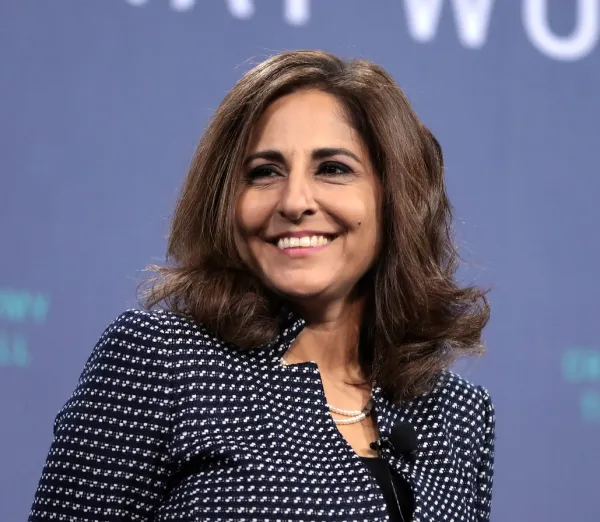
When Neera Tanden emailed her colleagues in support of forcing Libya to pay for the privilege of having been bombed, many misunderstood, including one of her colleagues who emailed back objecting to creating what he supposed was an obvious financial incentive for bombing more countries.
Now that Tanden has been nominated for high office and will face confirmation hearings in the U.S. Senate, we have an obligation to get this right. The top ways in which Tanden has been misunderstood are:
Our post-election hope couldn’t be more fragile.
Does Joe Biden see his mission as merely reclaiming situation normal from Donald Trump? How aware is he of the big, beyond-our-lifetimes future and the crucial need to address climate change? Is he able to acknowledge that human “interests” go well beyond national borders? And if so, how much political traction would he have to have before he could begin turning vision into policy?
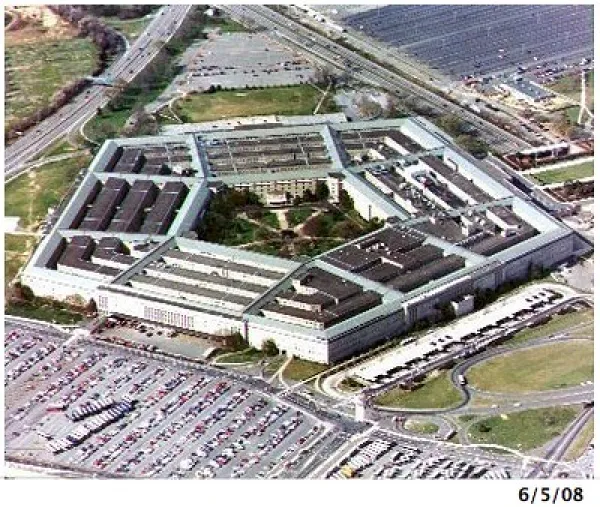
You may have heard that the U.S. House of Representatives just passed a bill to spend $741 billion renaming military bases that have been heretofore named for Confederates. You may think that’s a grand idea but still wonder at the price tag.
Of course, the secret is that — even though most of the media coverage is about the renaming of bases — the bill itself is almost entirely about funding (part of) the world’s most expensive military machine: more nukes, more “conventional” weapons, more space weapons, more F-35s than the Pentagon even wanted, etc.
Annually, the military appropriations and authorization bills are the only bills to go through Congress where the bulk of the media coverage is always devoted to some marginal issue and never to what the bill essentially does.
Almost never does media coverage of these bills mention, for example, foreign bases, or their huge financial cost, or the lack of public support for them. This time, however, there has been mention of the fact that this bill blocks the removal of U.S. troops and mercenaries from Germany and Afghanistan.

The story of the deceased pedophile and presumed Israeli spy Jeffrey Epstein continues to enthrall because so little of the truth regarding it has been revealed in spite of claims by the government that a thorough follow-up investigation has been initiated. The case is reportedly still open and it is to be presumed that Justice Department investigators have been able to examine certain aspects of what occurred more intensively. A major part of the investigation has been a review of actions taken by the four government prosecutors who were most directly involved with the negotiations with Epstein and his lawyers in 2007-8. The 22 month-long review, carried out by the Justice Department’s Office of Professional Responsibility (OPR), finally produced a 350 page report which was released on November 12th.
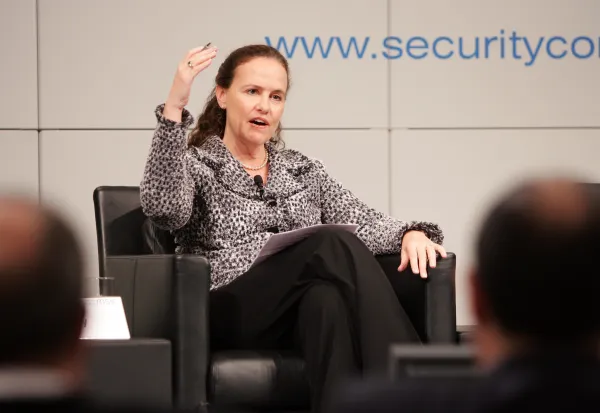
Just a few weeks ago, super hawk Michèle Flournoy was being touted as a virtual shoo-in to become Joe Biden’s nominee for Secretary of Defense. But some progressives insisted on organizing to raise key questions, such as: Should we accept therevolving door that keeps spinning between the Pentagon and the weapons industry? Does an aggressive U.S. military really enhance “national security” and lead to peace?
By challenging Flournoy while posing those questions -- and answering them in the negative -- activism succeeded in changing “Defense Secretary Flournoy” from a fait accompli to a lost fantasy of the military-industrial complex.

With some help we did two days of work to harvest the five olive trees in
our home garden (total 240 kilos) followed by six days to harvest the many
trees in the museum garden (still two trees left). Jessie, Zohar, and I
were thus harvesting for eight days. I counted 44 people who helped at
different times over these days (including Israelis and internationals). I
especially want to thank Mohammad Najajreh who was there throughout the
days of harvest at the museum garden and is now helping his family harvest
their olives in Nahhalin. While muscles are aching and skin is darkened,
the psychological boost of harvesting olives and the physical gain of
exercising is hard to describe. I did write one article many years ago on
the deeper meaning of the olive tree which was reprinted last year here: