
Global

Your sisters stayed in their palaces
With golden chains and shameless lies
Some grinned and aided criminals...
Others chose to veil their eyes
Some justify rape and expulsions
Others prayed to their silent gods.
When you thought they had their fills
In that dry June of decays,
They climbed over the hills
To finish the ghastly deeds
Sickening became the violations
Dark masses on your strong arms
arms that gently lifted orphans
Armenian, Circasian, Hebrew and Druze
Fractures on your white breasts
That gave milk to hungry babies
Bruises on your gentle fingers
That wiped the tears from so many eyes
Your sad eyes bear their marks
on a kind face that gave millions hopes
Maddening deafening sounds
Of violent bloody rapes
Of countless lengthy reports
Of motions, plans, and resolutions
that sacrificed justice and truths
at the altar of greedy egos
Where goes the hope of children dreams?
In awakening consciences?
In olive trees or returning cactuses?
In time, distance, or struggles?
“There’s something happening here/What it is ain't exactly clear . . .”
Or is it?
Day one of the Democratic National (virtual) Convention. Bernie Sanders had just told his supporters: “Together we have moved this country in a bold new direction,” pointing out that “all of us . . .yearn for a nation based on the principles of justice, love and compassion.”
**The views expressed in this article do not necessarily reflect the views of the Free Press**
As many authors have documented, the global elite is conducting a coup to take complete control of our lives. It is doing this by using a non-existent ‘virus’ to terrorize the human population into believing that we will ‘catch’ Covid-19 if we do not submit to draconian restrictions on our rights and freedoms.
And while the elite is conducting its coup, the most important challenges that confront our world are being largely ignored, as I will briefly discuss below.
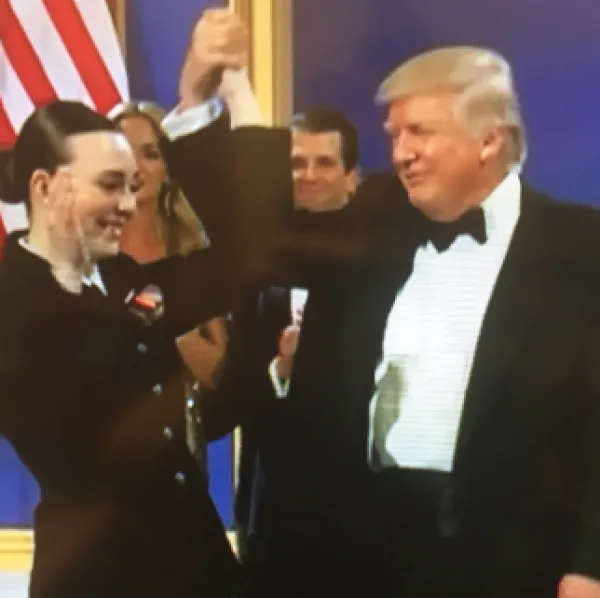
Dear Working Class Trump Supporters,
I suppose it is time to enlighten you as to your demi-God, Donald Trump. I guess I have to be the one to do it.
I hate to tell you this, but you have fallen for the biggest con artist since someone (apparently not PT Barnum although he has been accused off saying it) said “There is a sucker born every minute.” That someone could well have been your hero Trump in a past life.
You have fallen for one of the greatest flim-flam men of our time. He went from being a class C actor on Saturday Night Live and the Apprentice to being a class B actor as a so-called President in that he has hornswaggled so many of you. He has to be a genius; not at being a President but at pulling the wool over so many Americans' eyes.
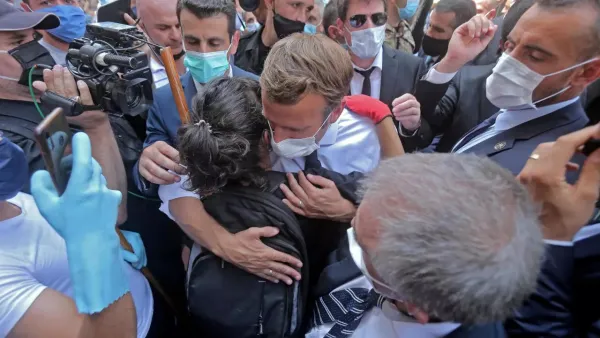
French President, Emmanuel Macron, is in no position to pontificate to Lebanon about the need for political and economic reforms. Just as thousands of Lebanese took to the streets of Beirut demanding “revenge” against the ruling classes, the French people have relentlessly been doing the same; both peoples have been met with police violence and arrests.

Amidst an astonishing billion-dollar nuke reactor corruption scandal, one of the world’s richest wind resources—the key to Ohio’s economic and ecological future—is being trashed by a single sentence.
According to the American Wind Energy Association, Ohio is being robbed of $4 billion worth of industrial development, thousands of jobs, and a wealth of cheap, emissions-free energy by a single easily-removable clause in the Ohio Code.
How? In 2014, without public hearings, pro-fossil/nuke legislators slipped into law a requirement that wind turbines be sited at least 1300 feet from property lines. The previous requirement was 600 feet. There are no meaningful economic, ecological, or health/safety imperatives served by the additional set-back footage. No other state has such a requirement.
But by vastly expanding the land required for turbine siting, that single sentence stopped some $4 billion in pre-approved northern Ohio wind farm development.
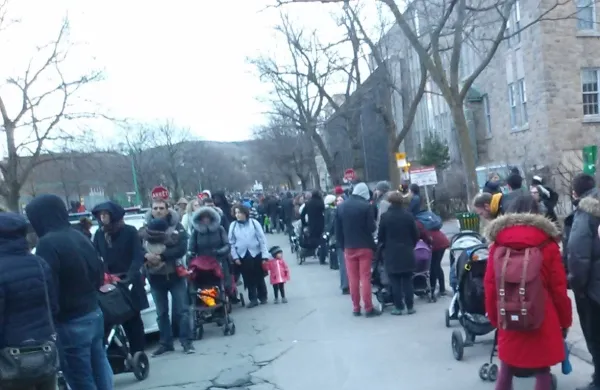
If you live in a poor or even a middle class neighborhood, Donald Trump does not want you to vote, and if you do vote, he does not want your vote counted. Greg Palast, in his new book “How Trump Stole 2020” estimates that, in Georgia alone in the governors election (2018) 665,677 voters were purged, which equates to 2/3 of a million voters, or 1 in 8 Georgians. Of those 340,134 voters were wrongly purged who had not moved from their last registered address.
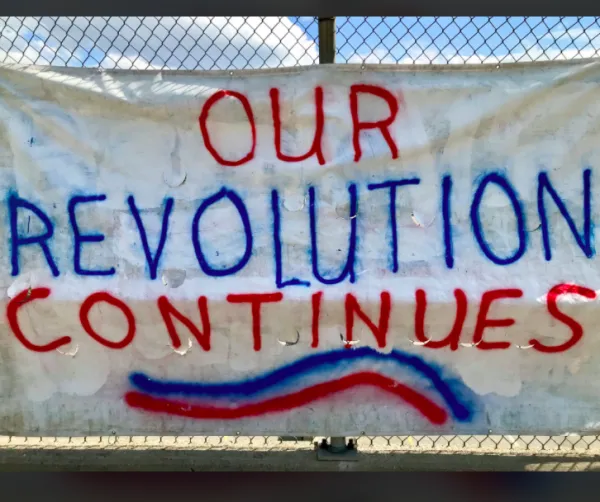
Saturday, August 15, 12noon
Join us at the intersection of north broadway and high as we demonstrate for peace and justice. bring a mask and a sign or two.
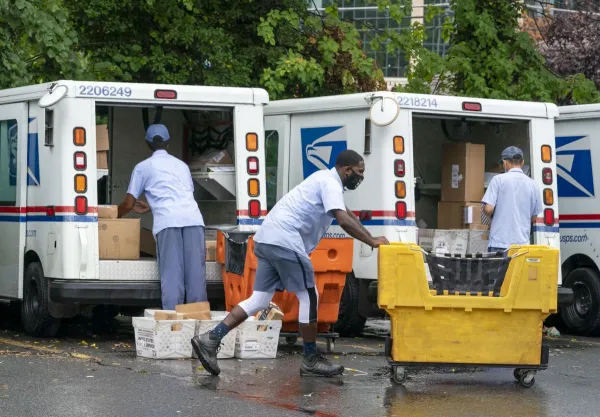
In cooperation with the Grassroots Emergency Election Protection Coalition (grassrootsep.org)
Original at Reader Supported News
The 2020 election is not likely to be cancelled or postponed.
But it CAN be sabotaged or stolen.
It will not be enough this year merely to register and vote. Nowhere near.
Those hoping for a fair outcome in the fall must NOW join election boards, become poll workers and poll watchers, and more. Wherever possible, all citizens committed to American democracy must be present for every aspect of the 2020 election process, including the post-election ballot counting and recounting.
This Guide is meant to lay out 2020’s vital details as simply as possible so YOU can ACT to make things right:
This fall’s outcome turns on the Election Protection Trifecta: