
Global
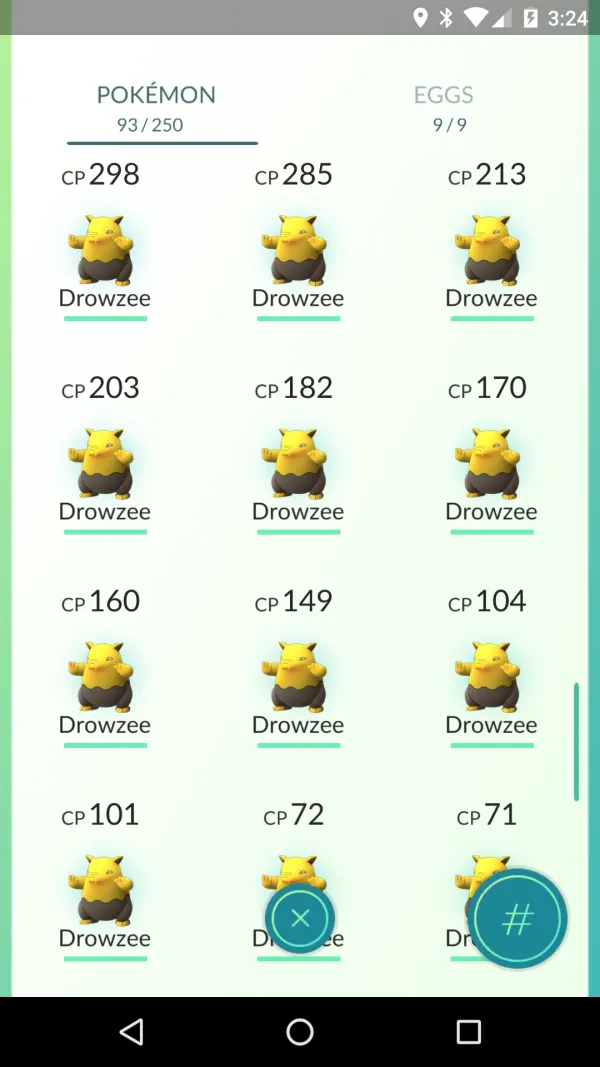
Layered over our city is another reality, a virtual world of Pikachus and Squirtles and… lots and LOTS of Drowzees, for some reason. (What’re you implying about Columbus, Niantec?) The Grandview post office is now a Pokemon gym, complete with twenty-somethings hanging around outside defending it. Short North wall murals are now Pokestops. Public spaces like Mirror Lake and Goodale Park are full of gyms, Pokestops, and newly-minted Pokemon trainers. And all over the city, people are walking around looking at their phones even more than usual.
Pokemon Go, a new mobile game from Nintendo and Augmented Reality Game pioneers Niantec Labs, was a massive hit from the moment it launched. And for good reason: For a generation of gamers, going out into the real world in search of Pokemon has been a lifelong dream. And at the low, low price of Free (with microtransactions) there’s little to stop anyone with an interest from downloading the game and playing along.

There’s Mars, the god of war, perched in a parking garage in Dallas, annihilating the enemy with utter impunity. Mars, you sicko! Just listen to President Obama:
“By definition, if you shoot people who pose no threat to you — strangers — you have a troubled mind. What triggers that, what feeds it, what sets it off, I’ll leave that to psychologists and people who study these kinds of incidents.”

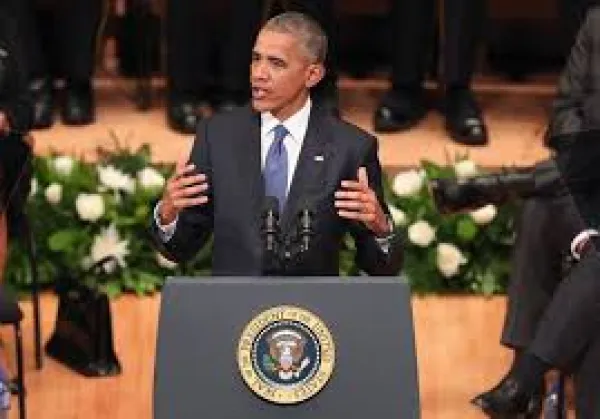
– President Obama, at the NATO summit in Warsaw, July 8, 2016
 hat the President expressed is a conventional wisdom meme, and it is both inadequate and false in so many ways, but it reflects the unhealthy American zeitgeist all too well. Probably this argument will offend some people, but its purpose is to get beyond the popular willingness to be offended and get to a more considered place of comprehension. But first we have to find our way out the mental squirrel cage that keeps our public discourse from viewing our country, our world, and even ourselves with any kind of healthy sense of wholeness and interconnectedness.
Without Bernie Sanders on the ticket as the VP candidate, Clinton will
probably go down in flames. With him, Trump loses badly. On the other
hand, what a great VP he would be, because as President of the Senate, he
would advance a great progressive solution oriented agenda. Bernie's
ability to further advance his reforms would make a quantum leap from
platform planks to actual legislation.
When I first read that Sanders had endorsed Clinton in New Hampshire, I
went into a mourning that lasted for about 12 minutes. The pundits may
speculate about this news, but I must go on record now to observe that I
don't see a way Clinton can win without Bernie Sanders as her running
mate. This inexorable truth may become clear to Clinton, especially as her
credibility woes and legal baggage increase.
Only Sanders has the ideological pull and charisma, plus the devoted
followers, who might mourn for 12 minutes like I did, and then move on to
the Real Politik. Such a ticket would pick up 80-85% of the Sanders

Without Bernie Sanders on the ticket as the VP candidate, Clinton will
probably go down in flames. With him, Trump loses badly. On the other
hand, what a great VP he would be, because as President of the Senate, he
would advance a great progressive solution oriented agenda. Bernie's
ability to further advance his reforms would make a quantum leap from
platform planks to actual legislation.
When I first read that Sanders had endorsed Clinton in New Hampshire, I
went into a mourning that lasted for about 12 minutes. The pundits may
speculate about this news, but I must go on record now to observe that I
don't see a way Clinton can win without Bernie Sanders as her running
mate. This inexorable truth may become clear to Clinton, especially as her
credibility woes and legal baggage increase.
Only Sanders has the ideological pull and charisma, plus the devoted
followers, who might mourn for 12 minutes like I did, and then move on to
the Real Politik. Such a ticket would pick up 80-85% of the Sanders