Global

Edward Snowden was not cleared for the details of this program. He revealed it's existence nonetheless. The program is called BULLRUN and it appears to have been going on for a very long time. Snowden's 2013 revelation of it in the New York Times does not appear to have slowed it down. In fact, it appears that the NSA and FBI have retreated to a more comfortable controversy from the Clinton Era, complete with technology from the time period. Remember the Clipper Chip? Like Vanilla Ice, it endlessly returns from the 1990s, growing worse each time. However, the Director of the FBI never suggested the American public should be forced to listen to “Ice, Ice Baby” over and over again.
Nostalgia for the secret programs of the 1990s apparently is not confined to X-Files re-runs. During the Clinton Administration, the NSA was greatly concerned that the average person or company might soon be able to have government grade encryption not easily breakable by them. The SKIPJACK algorithm, codenamed and commonly known as CLIPPER for audio and CAPSTONE for data, was their solution. The method, and it's patent, were classified as secret but not top-secret, until 1998.
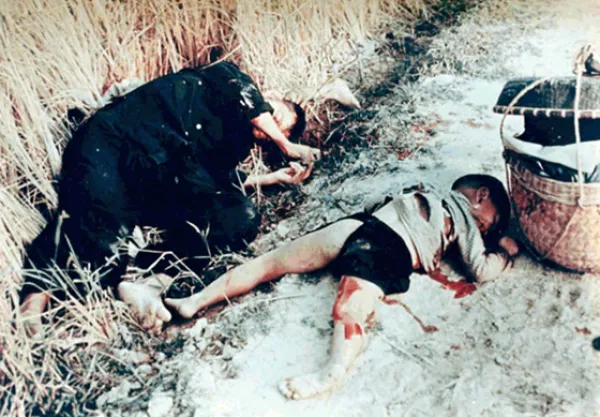
“When somebody asks, ‘Why do you do it to a gook, why do you do this to people?’ your answer is, ‘So what, they’re just gooks, they’re not people. It doesn’t make any difference what you do to them; they’re not human.’
“And this thing is built into you,” Cpl. John Geymann testified almost 44 years ago at the Winter Soldier Investigation, held in Detroit, which was sponsored by Vietnam Veterans Against the War. “It’s thrust into your head from the moment you wake up in boot camp to the moment you wake up when you’re a civilian.”
The cornerstone of war is dehumanization. This was the lesson of Nam, from Operation Ranch Hand (the dumping of 18 million gallons of herbicides, including Agent Orange, on the jungles of Vietnam) to My Lai to the use of napalm to the bombing of Cambodia. And the Winter Soldier Investigation began making the dehumanization process a matter of public knowledge.

If someone skated during the past 27 years, Donnie Humes probably skated with and/or caught them pulling a trick that made their week.
Mr. Humes has been putting out at skateboard zine Smelly Curb since 1987.
Smelly Curb and Old Skool Skateboards are putting on a Halloween Curb Contest on October 26th at the Westerville Skatepark. Issue 44 of Smelly Curb is also on the way.
Humes laughed when I inquired about the content of Smelly Curb Issue one, replying. “The First Issue was really corny. Think about you being awkward and 17, thinking you know everything.”
We were standing on a hill above the Dodge Skate Park bowl on the West side of Columbus, that is part of Dodge Recreation Center. This is the skateboard wing of the Dodge Park Rec Center which Humes helped open and run from 1990-1995.
During these formative years of Columbus skateboarding, Humes and his buddies were pulling grinds on curbs around town on their way to punk shows at Staches.
They were blaring Suicidal Tendencies, Jesus Lizard, the Cows and Unsane while getting pestered by jocks and cops.

After 19 years of working for the Columbus Crew, the three construction workers who represented the Major League Soccer franchise’s logo were laid off Oct 8.
Anthony Precourt, the Columbus Crew SC Chairman and Investor-Operator, unveiled a new, construction-worker free logo at the #NEWCREW revealing party at the Lifestyle Community Pavilion.
Austin Jones, one of the 1,500 soccer fans who attended the rebranding event, said the makeover was overdue. “I think the new logo’s pretty cool. I like how they incorporated everything over the last (19) years,” Jones said. “I liked the old logo with the shield but I thought it needed some updating. I like the new one better.”
Jones is not alone. USA-Today writer Nick Schwartz said the Crew’s updated look “is now the best in the MLS.”
The current look corrects some of the rather egregious omissions from the previous logo.
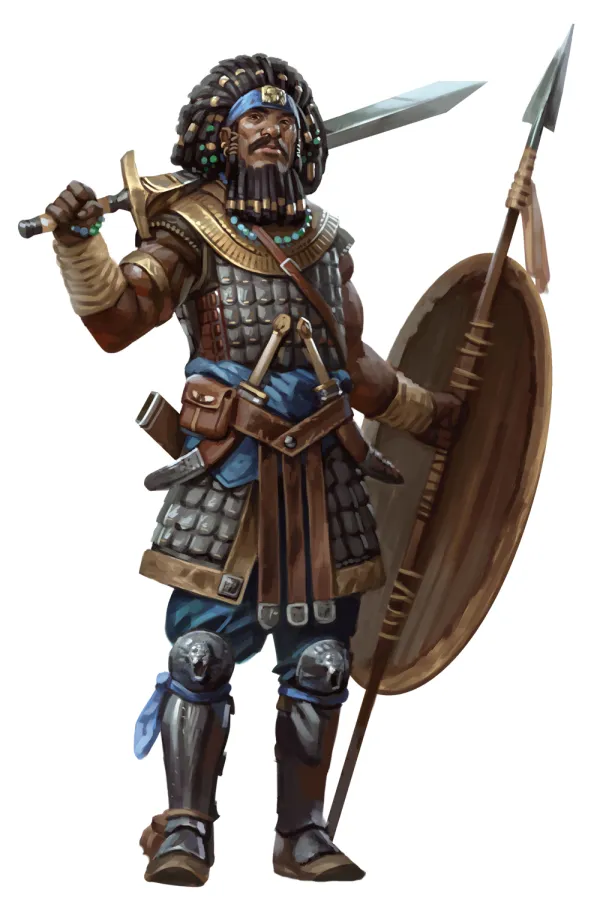
Between the growing acceptance of geek culture and an emphasis on a player-friendly style, the fantasy role-playing game Dungeons & Dragons brought in a lot of new players with its 4th Edition books and carved out an even bigger niche for itself in the pop culture consciousness. Now, after a couple years of playtesting at conventions and going online for feedback, Wizards of the Coast has released a 5th Edition of the classic game.
The 4th Edition, while very newbie-friendly, was also controversial among older players who complained that it changed too much. A newer game called Pathfinder, heavily inspired by earlier versions of D&D, became a serious competitor. So with the 5th Edition D&D has taken a step back. It feels much more like 3rd Edition (or 3.5) than 4th. This does mean that once again certain classes — magic-users, primarily — are more complicated to play than others, but there are fewer temporary buffs and debuffs to track. Combat in general has been simplified and in the games I’ve played it goes faster, even with a lot of players at the table.
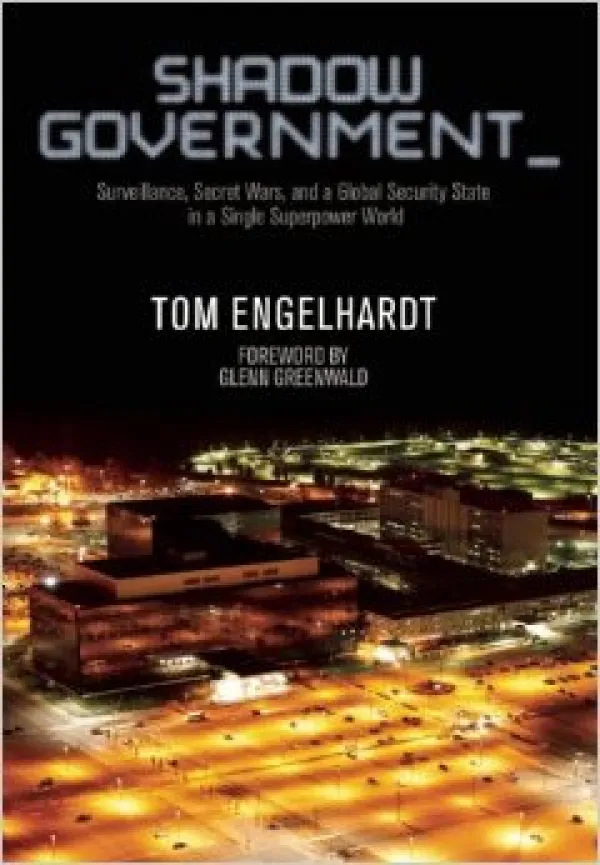
Tom Engelhardt keeps churning out great books by collecting his posts from TomDispatch.com. His latest book, Shadow Government, is essential reading. Of the ten essays included, eight are on basically the same topic, resulting in some repetition and even some contradiction. But when things that need repeating are repeated this well, one mostly wants other people to read them -- or perhaps to have them involuntarily spoken aloud by everybody's iPhones.
We live in an age in which the most important facts are not seriously disputed and also not seriously known or responded to.

Jacob George’s suicide last month — a few days after President Obama announced that the US was launching its war against ISIS — opens a deep, terrible hole in the national identity. George: singer, banjo player, poet, peace warrior, vet. He served three tours in Afghanistan. He brought the war home. He tried to repair the damage.
Finally, finally, he reached for “the surefire therapy for ending the pain,” as a fellow vet told Truthdig. He was 32.
When New York Times report James Risen published his previous book, State of War, the Times ended its delay of over a year and published his article on warrantless spying rather than be scooped by the book. The Times claimed it hadn't wanted to influence the 2004 presidential election by informing the public of what the President was doing. But this week a Times editor said on 60 Minutes that the White House had warned him that a terrorist attack on the United States would be blamed on the Times if one followed publication -- so it may be that the Times' claim of contempt for democracy was a cover story for fear and patriotism. The Times never did report various other important stories in Risen's book.