Global
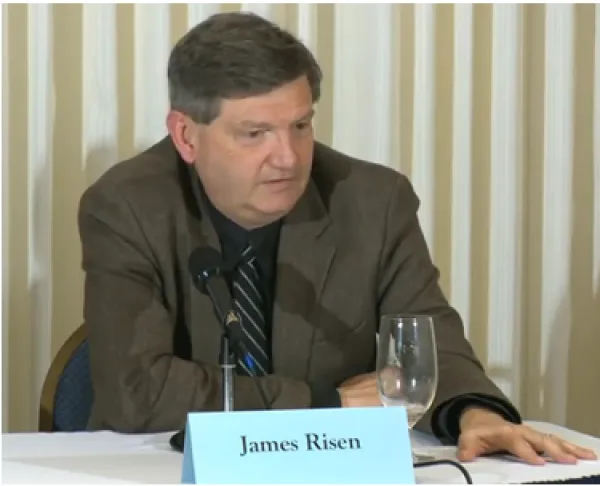
A petition to the President and the Attorney General has just been posted by several organizations, including one I work for, asking that the Department of Justice stop threatening New York Times reporter James Risen with prison if he refuses to reveal a confidential source.
This story, among other stunning features, I think, threatens to expose an unknown known of the highest magnitude -- by which I mean, not something lying outside Donald Rumsfeld's imagination, but something that everyone paying attention has known all about for years but which would explode the brains of most consumers of corporate media if they ever heard about it.
Here's a great summary of the matter at the Progressive. The focus there and in the petition is on the threat to freedom of the press. But read this offhand bit of the explanation carefully:

On March 17, 2012 Occupy Wall Street veterans gathered in Zuccotti Park to commemorate the six month anniversary of the beginning of the Occupy movement. What followed was a mass of New York police in riot gear with batons marching in to crush the protest. Some protestors left, others sat down or linked arms. The results were extreme even for the New York Police Department (NYPD), which has acquired a reputation for brutality. Reported injuries among the protestors included a broken thumb, a broken jaw and at least one protestor struck repeatedly in the back with a nightstick as he fled the park. Multiple witness accounts claim that officers used their boots to hold protestors’ faces to the ground while handcuffed and awaiting the pre-arranged bus to jail.
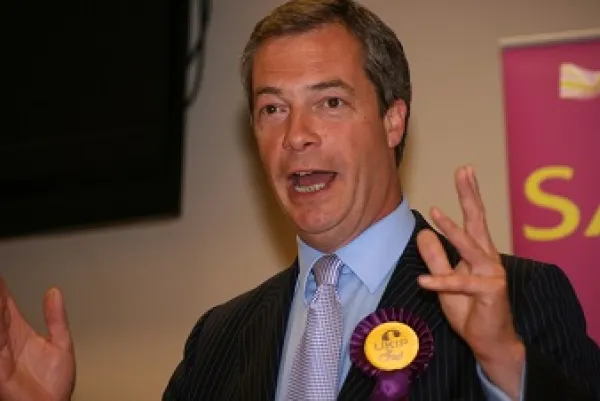
The European Union's parliament is due to undergo elections later this month, and many poll projections across the troubled continent suggest that extreme right and fascist parties are set to make large gains. The Europe-wide elections will take place across all 28 member states in two weeks, an event which many now fear is going to give power and legitimacy to parties running on platforms of racism, sexism, homophobia and fascism.
While Europe's habitual problem of far right extremism never disappeared completely. For years, the EU had made it seem as if it was at least contained, with overtly racist parties gaining very few seats in the European Parliament or legislative bodies in their own countries. Since the global financial crash in 2008, however, the economic hardships of austerity and unemployment have led to a sharp increase in support for the extreme right across Europe, even in the more economically stable northern countries like France and the UK.