
Global

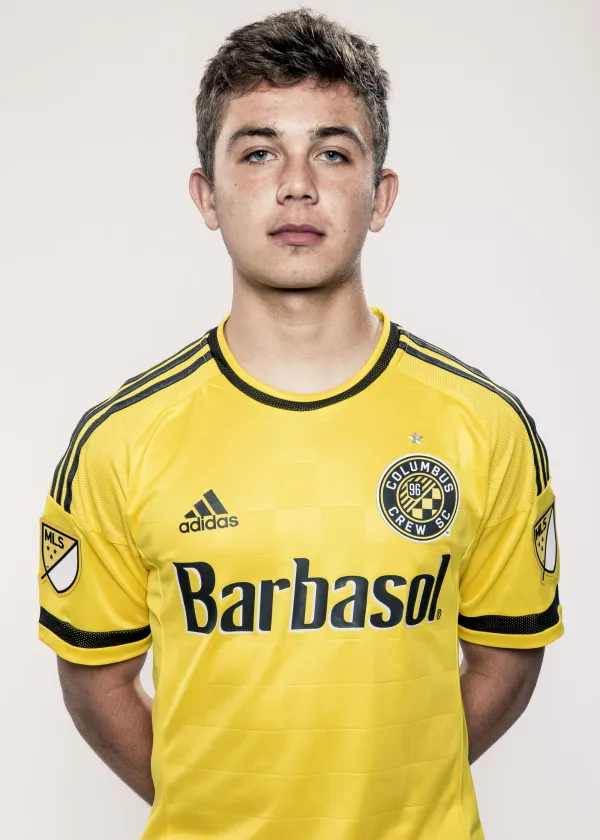
As they took roll on April 22, teachers at Grove City High School noticed that Ben Swanson’s seat was empty… again. But the junior had another excused absence.
Swanson, who, at 17, became the youngest player signed by Columbus Crew SC last October, was on a plane headed to Medugorje, Bosnia and Herzegovina to participate in three international friendlies with the United States Under-18 National Men’s Soccer Team.
“I found out (I was being called up) about three weeks ago. I had to contact my school and they’ve been great with everything and (Crew SC sporting director and head coach Gregg Berhalter) was all for it,” said Swanson, whose team played against Siroki Brijeg on April 25 and the Bosnia U-18s on both April 28 and April 30 during its nine-day stay. “It’s definitely an honor and you’re excited to represent your country.
“It’s an opportunity for me to develop as a player and play against some of the best teams in the world. When you get called up with the national team, no matter what age group it is, there’s a little bit of a swagger in your walk. I’m excited for it.”

Columbus Clippers fans should have plenty to ring their bells about this season. Our hometown heroes are loaded this year, and it promises to be a fun summer of baseball at Huntington Park. The Cleveland Indians' AAA affiliate is stocked with an abundance of talent, and should score runs by the boatload. But there is one very special reason to head to the ballpark this summer. The team features the crown jewel of the Tribe's farm system, 21-year-old shortstop Francisco Lindor. The 8th overall pick of the 2011 Major League draft, Lindor has made a rapid progression through Cleveland's farm system, and will complete his baseball undergrad work right here in Columbus. The switch-hitting Puerto Rican has been rated as high as number four among all minor-league prospects by various scouting services.
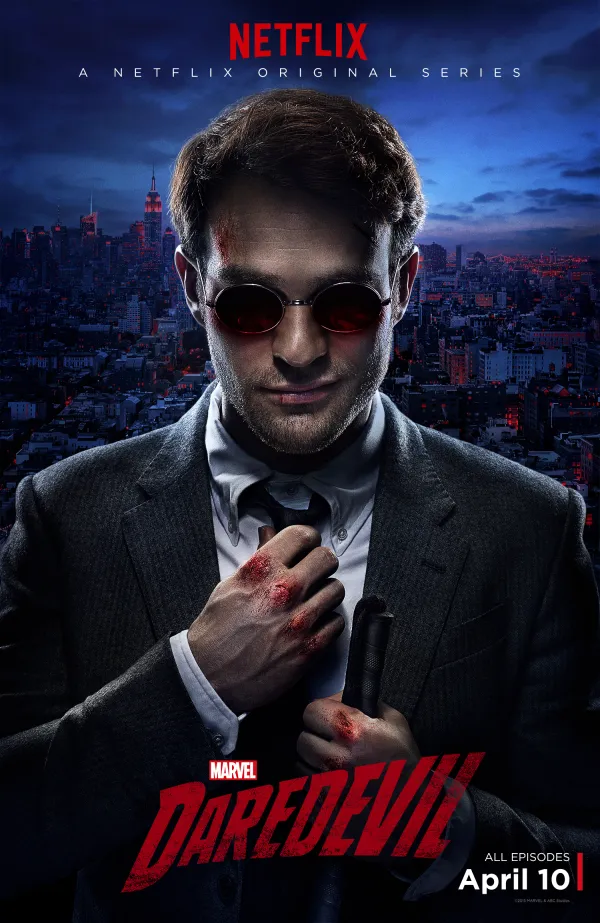
The Marvel Cinematic Universe has already expanded from theaters to television with ABC’s prime-time series Agents of SHIELD. Now it’s entering another increasingly-popular medium — online streaming services — with the Netflix-exclusive Daredevil, a 13-episode series starring a blind vigilante named Matt Murdock who’s a lawyer by day and fights crime with his superhumanly-enhanced other senses by night.
And they seem pretty confident that they’ll succeed here. So far Marvel and Netflix have announced not only the just-released Daredevil (which was confirmed for a second season before it had been out even a month) but also shows for Jessica Jones, Luke Cage and Iron Fist, to culminate in a Defenders mini-series.

Madison's Music: On Reading the First Amendment, a new book by Burt Neuborne, at first appears an unlikely work to serve much purpose today. Who wants to celebrate slave owner James Madison's view of freedom as embodied in a long outdated Constitution in desperate need of updating or rewriting? And who wants to hear it from a former legal director of the ACLU who just signed a petition supporting the hiring of Harold Koh, defender of drone murders and presidential wars of aggression, to teach human rights law at New York University, a petition by a bunch of stuffy corrupted professors countering the moral stand being taken by students?

This is big. A new civil rights era births itself in terrible pain.
Black men die, over and over. I can only hope that peace is the result, serious peace, bigger than new laws, bigger than better trained police — agape peace, you might say, peace that is, in the words of Martin Luther King, “an overflowing love which seeks nothing in return.”
“‘We’re out here, and this is peaceful,’ Bishop Walter S. Thomas, pastor of the New Psalmist Baptist Church, shouted to the crowd. After a pause, they continued, singing ‘This Little Light of Mine.’ Helicopters shined spotlights on the group, the thwack-thwack of their rotors competing with the music.”


In 2005, amid reports that the London subway bombers had used cellphones as detonators, the White House secretly established the Standard Operating Procedure (SOP) 303, which granted the government the ability to unilaterally shut down all cellphone service in an area of its choosing when it feels it needs to.
 The details of the procedure are still not public, and a series of lawsuits aiming to at the very least get the basics of how the law even theoretically works have faced massive official opposition, with the White House and DHS desperate to avoid any oversight.
The power has become increasingly controversial in recent years, as cellphone communication has increasingly replaced landline phones, and would be more essential than ever during “emergencies,” the very time the administration wants to be able to silence them.