Global
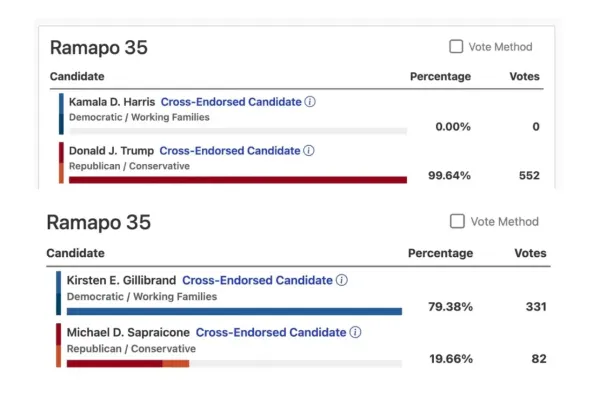
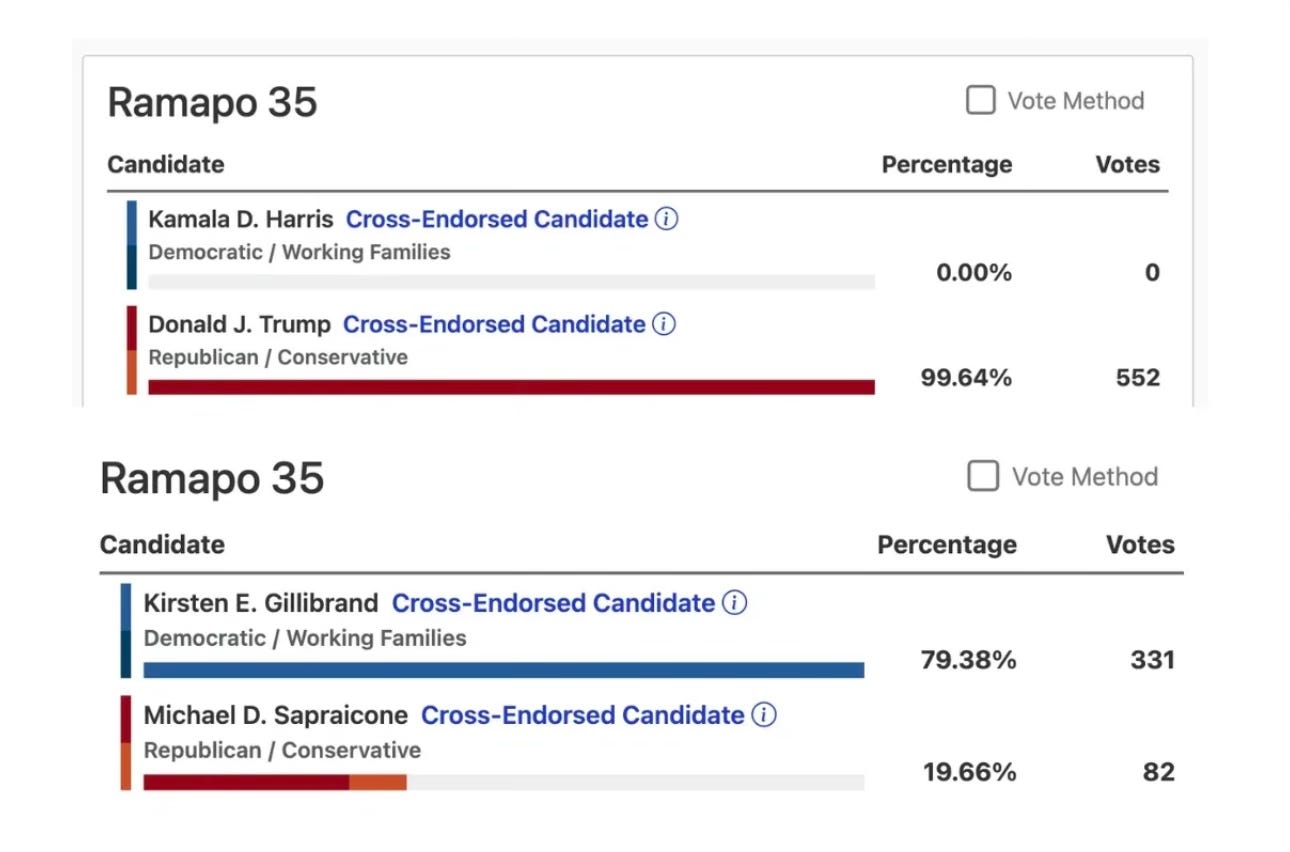
This piece traces five individuals whose actions converged toward one outcome in the 2024 election: a far-right takeover of American politics. Racism, xenophobia, and misogyny are the ties that bind them.
But first, the electronic election equipment companies—privately held and embedded in a far-right ecosystem since the 1970s.

While the world is busy watching the World Cup, Israel is demolishing homes in Palestine and Lebanon and killing innocent civilians in both countries.
The difficult truth is that the only nuclear-armed state in the Middle East is carrying out actions that include killing, stealing, rape, deception, and lying, all while presenting itself as the victim.
This week, Israeli Ambassador to the United Nations Danny Danon even had a bizarre temper tantrum directed at Vanessa Frazier, the U.N. secretary‑general’s special representative for children and armed conflict, after Israel was placed on a sexual‑violence blacklist. Danon went so far as to call for her immediate dismissal, after he hurled personal attacks on her.
Israel’s government never ceases to amaze me; its officials often behave as though ignoring the consequences of their own actions will make the underlying problems disappear.
No wonder Israelis are hated all over the world. They create mischief wherever they go.

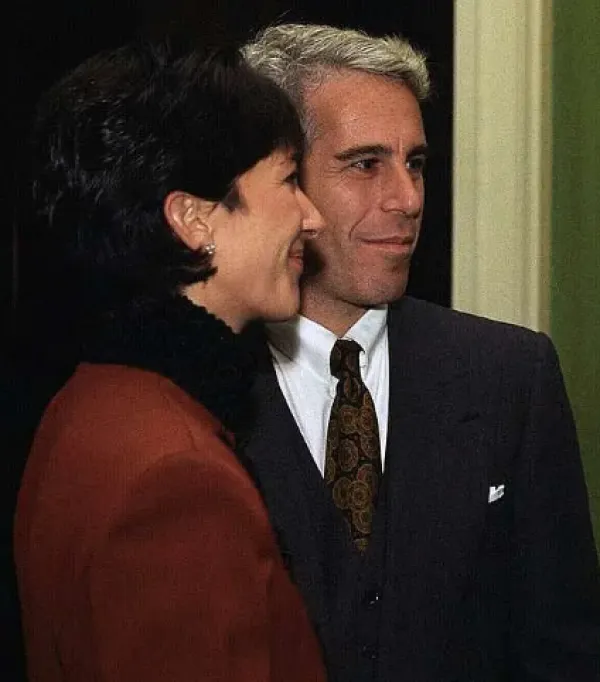
Jeffrey Epstein may have seemed like a charming guy to most people who knew him. As an investment manager, he helped make his clients billions of dollars and they were happy with that. Many of them were also pleased with the so-called "entertainment services" he provided.
Eventually, it all collapsed, though. Reports of him and others exploiting underaged females became too numerous to ignore. When faced with the possibility of spending the rest of his life in prison, he committed suicide while in jail in 2019. His estate has been tied up in conflicting lawsuits ever since.
His longtime friend/partner Ghislaine Maxwell was convicted of sex trafficking charges and remains in prison.
How difficult would it be to convict others who also may have been involved in their illegal activities? These alleged violations occurred over a period of several years, so many of the accused may have since died since they were involved.
While the Epstein files may have thousands of names, not everyone mentioned is equally guilty. Many were business associates or clients who may have had no involvement or even may not have even known about his illegal activities.

Talking to Katie Gaddini about her “I spy” sociological study of how conservative, largely evangelical Christian women were increasingly become the backbone of MAGA support was an eye opener. Gaddini had spent almost a decade interviewing people who were both big and small in the movement in order to get a grip on what was happening. Her interest had been piqued, because she had been raised in the milieu that produced many of these women. Coming from a family of evangelicals, a church school, and religious college education, she had a later epiphany as she studied and lived in various cities around the world, but her earlier life gave her some legitimacy, a common language, and experience that allowed her entry and understanding of these women. The end result was a book called, Esther’s Army: The Christian Women Who Power the American Right.
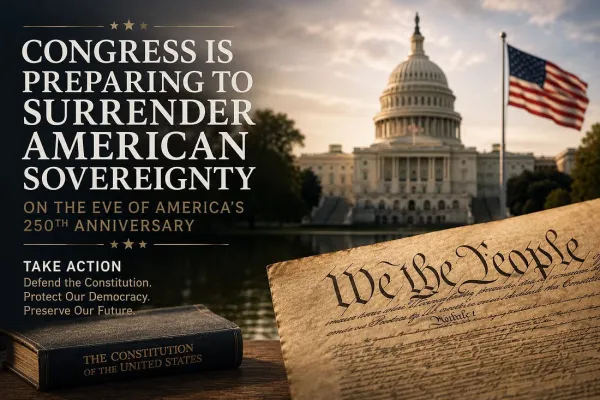
The United States Congress, on the very eve of the 250th anniversary of our Declaration of Independence from Great Britain, is preparing to formally diminish American independence and sovereignty through a proposed merger and long-term integration of executive functions throughout the government, coordinated by the Department of Defense.
Treacherous provisions in the 2027 National Defense Authorization Act (NDAA) mandate that the U.S. State Department, the U.S. Commerce Department, and the heads of other relevant Federal departments and agencies cooperate with their Israeli counterparts for the purpose of consolidating U.S. and Israeli military activities in order to align efforts and avoid duplication.
The greatest threat to American sovereignty rarely arrives wearing the uniform of a foreign army. It often arrives through the complacency, expediency, or poor judgment of elected officials who fail to recognize the long-term consequences of the powers they surrender.
Whether motivated by political convenience, misplaced loyalty, or simple inattention, such actions can erode constitutional self-government just as surely as deliberate acts of betrayal.

“Don’t go looking for Tecumseh.”
This warning from Native Americans has echoed across Ohio, Michigan, Canada and beyond, over the two centuries since Tecumseh died in battle on October 5, 1813, in southern Ontario during the War of 1812.
What is not a mystery is how the Shawnee chief and warrior is regarded as the greatest Native American.
And as America celebrates its 250th anniversary, Tecumseh has never been more revered. Especially in “Ohi:yo” (the great river) where he was born and reared and fought desperately to reclaim for all Native peoples.
Whether its social media or the recent World Heritage recognition of Ohio’s Native-built earthworks – the sacred geometric structures connecting the earth to the celestial heavens and which Tecumseh grew up near – there is no easy explanation why the Shawnee chief continues to amaze and inspire.
All of this recognition, however, makes some wonder why it took the “white man” so long to appreciate the contributions of the First Nations to America.
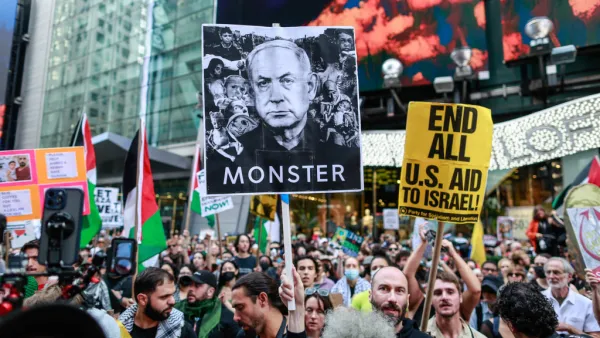
Americans should know that the state of Israel is a liability, not an asset to the United States. Israel has pressured U.S. administrations since George W. Bush to fight its wars in Iraq, Syria, Yemen, and Iran under false pretenses—costing U.S. taxpayers billions of dollars and the lives of more than 5,000 American soldiers.
Most recently, Israel attempted to sabotage the Iran–U.S. peace deal aimed at ending the war by committing a massacre against civilian targets in Lebanon and by trying to seize more land beyond the Litani River, despite the fact that the agreement between the U.S. and Iran stipulates that the ceasefire applies to all fronts, including Lebanon.
U.S. Vice President J.D. Vance castigated Israeli officials on Thursday for refusing to support the U.S. nuclear deal with Iran, accusing far‑right cabinet ministers of lacking appreciation for American support. He made the case for the newly signed memorandum of understanding (MOU) during a White House press briefing.