
Global
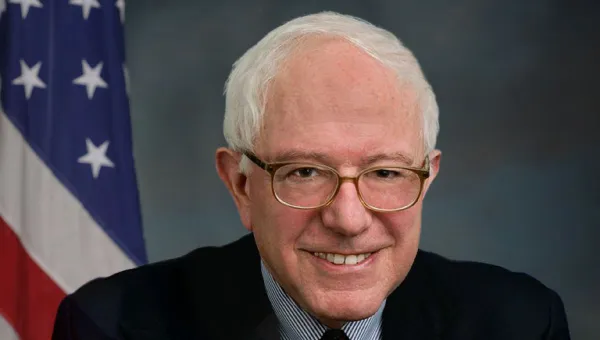
While Bernie Sanders was doing a brilliant job of ripping into the Trans-Pacific Partnership during the livestreamed launch of the Our Revolution organization on Wednesday night, CNN was airing a phone interview with Hillary Clinton and MSNBC was interviewing Donald Trump’s campaign manager.
That sums up the contrast between the enduring value of the Bernie campaign and the corporate media’s fixation on the political establishment. Fortunately, Our Revolution won’t depend on mainline media. That said, the group’s debut foreshadowed not only great potential but also real pitfalls.
Even the best election campaigns aren’t really “movements.” Ideally, campaigns strengthen movements and vice versa. As Bernie has often pointed out, essential changes don’t come from Congress simply because of who has been elected; those changes depend on strong grassroots pressure for the long haul.
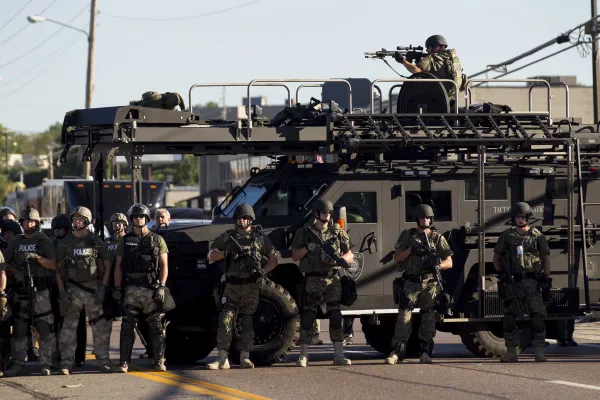
He’d left the water running, flooding neighbors’ apartments. He’d been running around outside naked. By the time police arrived, he was standing in the window of his fourth-floor apartment on Farwell Avenue — a few blocks from where I live in the diverse, unpredictable Chicago neighborhood called Rogers Park — threatening to jump.
He pointed his finger at the cops, pretending he had a gun. “Fuck the police,” he said. The standoff lasted four hours.
But eventually he capitulated. The forces of sanity held sway. He was taken to a hospital. No one was hurt. (Phew-w-w!) And life in Rogers Park moved on.

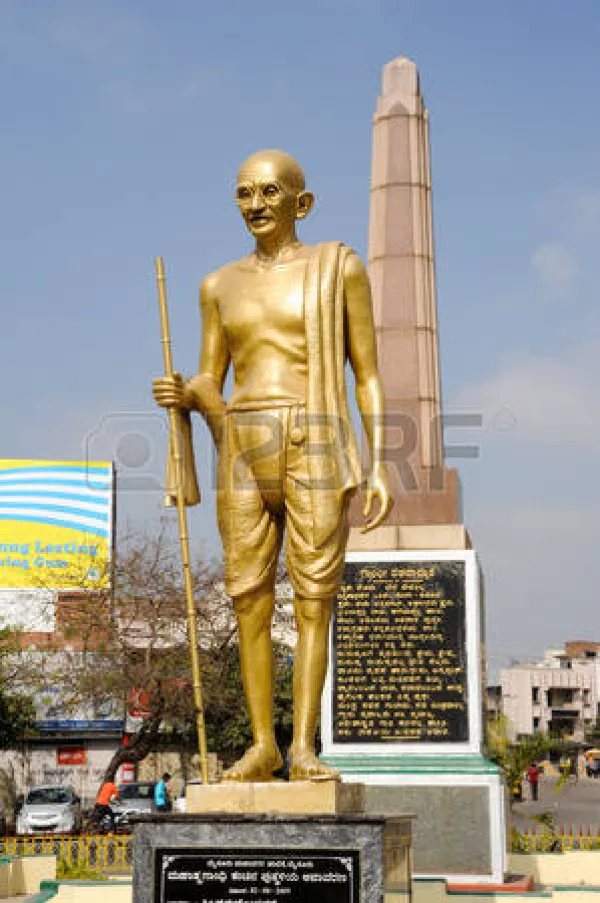
I sometimes wonder whether one of the ways in which 'Amercian exceptionalism' manifests is that many US scholars and others are unable to consider the contributions of those who are not from the USA. For example, I routinely read about studies of Martin Luther King Jr. and his associates (such as strategist James Lawson) in relation to nonviolence while the much more insightful and vastly greater contributions of Mohandas Karamchand Gandhi on the same subject are largely ignored by US scholars (although not, for example, by Professor Mary E. King, one of the best in the field).
I have just read another book that falls into this trap: 'This is an Uprising: How Nonviolent Revolt is Shaping the Twenty-first Century' http://www.publicaffairsbooks.com/book/hardcover/this-is-an-uprising/9781568587332
Now it is Milwaukee. On Saturday, a car with two African-American men was stopped for “suspicion.” The men fled, the policeman pursued, and the driver, reportedly armed, was shot and killed.
And Milwaukee exploded. Angry crowds confronted police, set fires, threw rocks. At least half-dozen businesses — including a grocery store, a gas station and an auto parts shop — were robbed or destroyed. The Saturday shooting was part of a weekend filled with violence in Milwaukee. Five people were shot and killed overnight Friday.
Milwaukee law mandates an investigation of any police shooting. Immediately, focus goes to the harsh relations between police and the community. But to understand the reaction to the shooting, it is necessary to go much deeper.
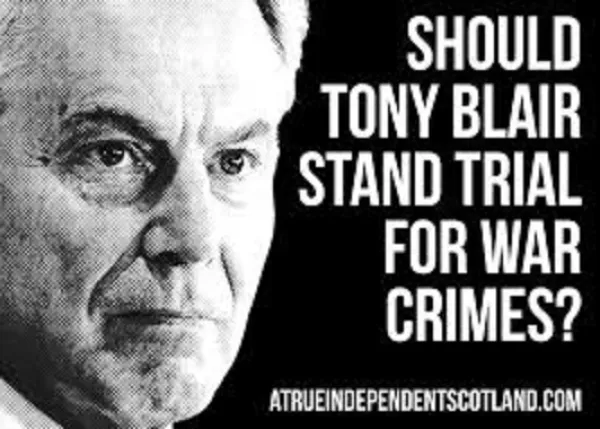
I realize that, living here in the United States, the nation doing the most in the world to create wars, proliferate nukes, and destroy the habitability of the earth's climate, I really have a duty to pick someone in the United States as the worst individual human being alive.



It’s the smallest thing in the world. Does the tennis ball land inside the line or outside? But somehow, as I watched this 60-second YouTube clip of an Australian tennis match last January, and heard an explosion of joyous approval surge from the crowd, I could feel the planet shift.
Or at least it seemed that way for an instant.
In the clip, a tennis player named Jack Sock tells his opponent, Lleyton Hewitt, whose serve has just been declared out, that he should challenge the call. A little humorous disbelief bounces around the court, but eventually Hewitt says, “Sure, I’ll challenge it.” A judge reviews the tape and declares that the serve was in . . . and the crowd lets loose an enormous cheer.

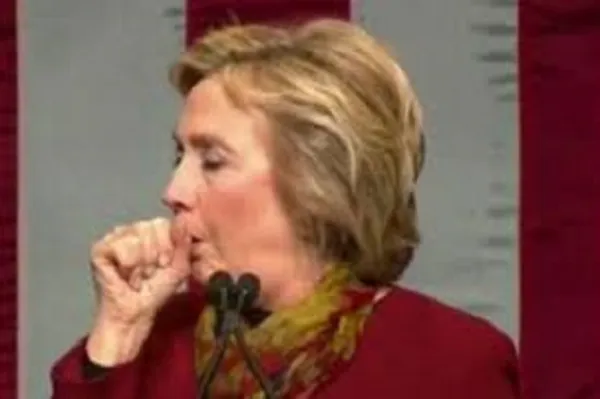
Reliable, verifiable medical records from presidential candidates – what’s so hard about that?
 n May 2008, presidential candidate Barack Obama released a summary letter of his general health signed by Dr. David Scheiner, who had been Obama’s primary care physician for 21 years. Providing limited detail, the doctor found Obama to be in “excellent health” and “in overall good physical and mental health needed to maintain the resiliency required in the Office of the President.” The Obama campaign indicated at the time that it was not planning to release any further medical records, and it didn’t.