
Local
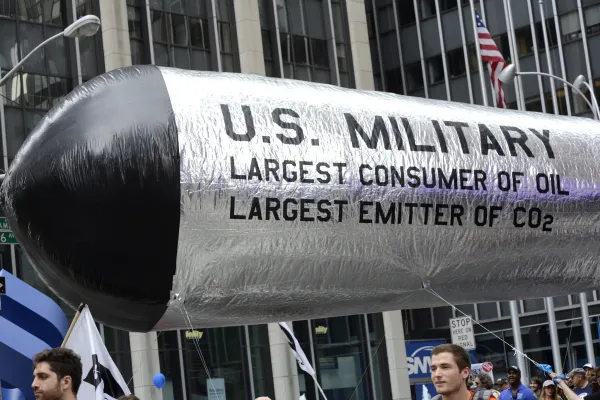
Remarks from this webinar.
Sometimes just for fun I try to figure out what I’m supposed to believe. I’m definitely supposed to believe that I can choose what to believe based on what pleases me. But I’m also supposed to believe that I have a duty to believe the right things. I think I’m supposed to believe the following: The greatest danger in the world is the wrong political party in the nation I live in. The second greatest threat to the world is Vladimir Putin. The third greatest threat to the world is global warming, but it’s being dealt with by educators and recycling trucks and humanitarian entrepreneurs and dedicated scientists and voters. One thing that’s not a serious threat at all is nuclear war, because that danger was switched off some 30 years ago. Putin might be the second greatest threat on Earth but it’s not a nuclear threat, it’s a threat to censor your social media accounts and restrict LGBTQ rights and limit your shopping options.
November 10, 2022
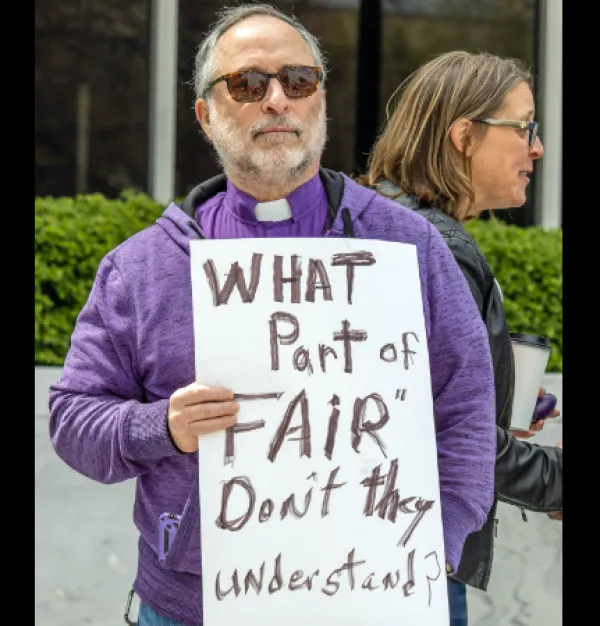
Our city is in a desperate housing crisis. The evidence is all around us. Huddled masses of beggars at intersections, shelters at capacity, tent squatters springing up on many vacant lots, thousands of families waiting for available Section 8 housing, while hundreds also suffer evictions every month. Meanwhile, thousands are wondering how they will survive the coming harsh winter.
This city (whose Mayor proudly claims Columbus as the “Opportunity City”) offers very little in opportunity to those stuck in poverty and who are homeless.
The City Council continues their catering to the wealthy and greedy developers while turning their backs on the needy and those in poverty. The wealthy get tax breaks and perks while the poor get empty promises and bulldozers slamming through their tents. This is mean-spirited, cold-hearted, morally disgusting and indefensible.
So, yes, I am guilty of trespassing and camping on the front lawn of Mr. Hardin’s beautiful home. It was an act of premeditated civil disobedience that protested the lack of hospitality shown to our brothers and sisters in peril and at risk.
I argue in recent essays that the currently unbridged and apparently unbridgeable gulf between college students’ academic--including classroom--lives, and the anachronistically- termed “extracurricular life”--once actually called the “extra-curriculum” as opposed to the curriculum--is almost as difficult to talk about as to take reconstructive measures. Critics who ignorantly see Student Affairs or Student Life programs as a “shadow curriculum” competing with “THE Faculty” exacerbate the sense of conflict. As usual, the ever-rising tuition-paying students suffer.
Over time, this opposition is embedded into the structures and functions of almost all institutions of higher education, regardless of how contradictory it is, and how negatively it functions.
Student Life without student lives

Thursday, November 10, 2022, 6:00 - 7:30 PM
Showing Up for Racial Justice (SURJ) is a national network of groups and individuals organizing white people for racial justice. At our October meeting we will be focusing on our Alternatives to Calling the Police Project and how folks can get involved. We will have some snacks to share, but feel free to bring your own or something to share as well! Register here.

Wednesday, November 9th from 6-8 PM
Barley's Brewing Company, 467 N High St.
There will be drinks, networking, and the chance to hear from our partners at SWACO and The Compost Exchange.

Tuesday, November 8, 7-11pm
Little Rock Bar, 944 N. 4th St.
Come join Homebound Entrepreneurs Against DeWines and their Central Ohio allies for an evening of Election Night merriment and mayhem (depending on the results) at the world famous Little Rock Bar in Columbus! We'll have the results on TV, drink specials and the last rounds of swag available as souvenirs –– plus "Mike DeSwine" will be there as always for pictures! FREE!
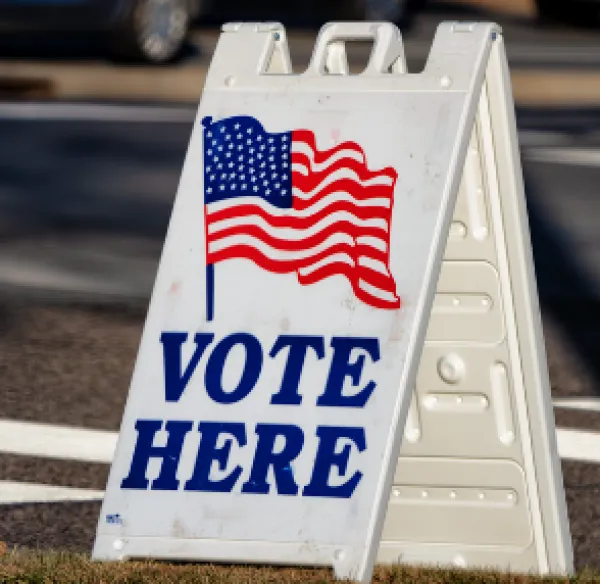
Against my better judgment, yet keeping my promise, I offer below my predictions for the statewide races on Election Day Nov. 8. Don’t call your bookie on my advice.
I wrote down what my head told me the outcome would be and then I wrote down what my heart told me the outcome should be. I averaged the two. After each prediction, I offered some comments, the snarkier the better.
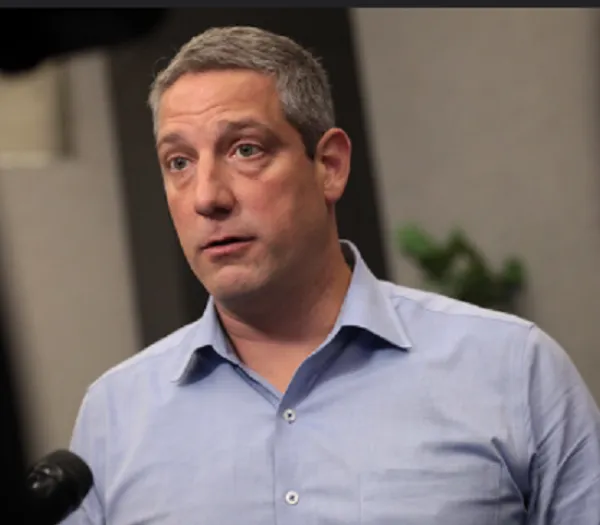
U.S. Senate: Tim Ryan 50.01%, J.D. Vance 49.99%
Ryan’s relentless campaign is pushed over the top by the votes of the Ohioans of Ukraine ancestry who block voted for Ryan, who supports the war, over Vance, who does not.
Governor: Mike DeWine 57%, Nan Whaley 43%
DeWine defined Whaley inaccurately as a bad mayor. She never answered. The rest was easy. Sadly.
Attorney General: Dave Yost 51%, Jeff Crossman 49%
Yost barely survives vigorous campaign by future Democratic star. Yost’s run for governor in 2026 is toast.
Secretary of State: Frank LaRose 58%, Chelsea Clark 42%
Trump-loving, double-talking, erstwhile election denier moves to the head of the list of aspirants to take on Sherrod Brown for the U.S. Senate seat in 2024. He still stinks.
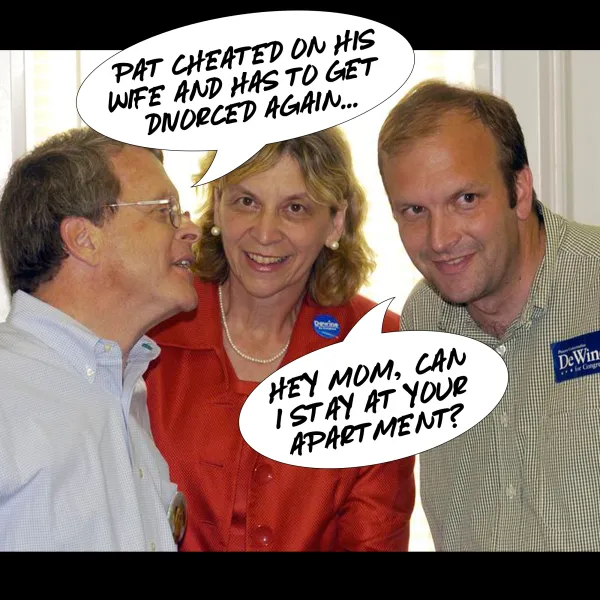
Homebound Entrepreneurs Against DeWines’ final TV ad buy aims to tell conservative voters the juicy truth about Justice Pat DeWine’s two messy divorces
As the general election season wraps up, Homebound Entrepreneurs Against DeWines is putting one final political ad “Hot for RINOs” on Fox News outlets around Ohio today, including in Cleveland and Dayton. The ad mocks the style of 1990s late night ads and features the vocal talents of comedian/podcaster Amber Nelson.
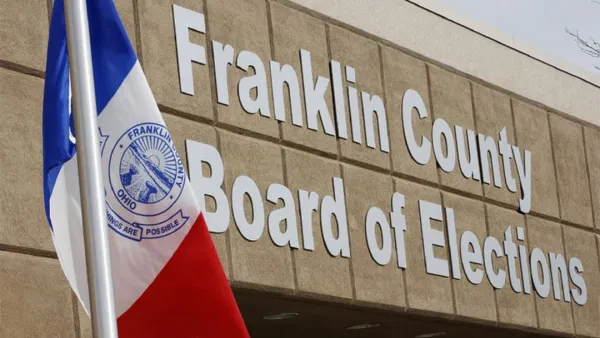
Columbus voters will decide three Issues on Tuesday’s ballot, and all three will change the Columbus City Charter. The city’s constitution since 1914, which can only be changed by a vote of Columbus’ citizens.
There’s Issue 19, which could ban citizen-initiatives seeking to create a “monopoly” or “special privilege.” Issue 20, which would make the City’s hiring process more subjective and less objective. And Issue 21, which could allow for virtual meetings for public bodies of the City and special emergencies for City Council.
From North Linden, to off-campus, to Hungarian Village, all three issues are flying under the radar. Even for those who regularly vote.