
Local



The Columbus Dispatch reported that city lobbyists and former Mayor Michael Coleman and former Columbus City Council President John Kennedy were both hired this past Spring by the Haslam Sports Group to help broker the new Crew Stadium deal. Joe Motil, candidate for Columbus City Council stated, “It’s no secret that Michael Coleman is fully responsible for Council President Shannon Hardin’s appointment to City Council and his giving the boot to former pro-tem Priscilla Tyson who was in line to serve as the next City Council President. Coleman also hand-picked Andrew Ginther to replace him as Mayor. Mr. Kennedy has continued over the years to maintain close relationships with City Hall Department Directors and others”. Both men were also recently hired as lobbyist by the Greater Columbus Arts Council and Franklin County Conventions Center Authority to influence City Council to agree to a Ticket Tax that will provide that organization with an estimated $6 million annually and they represented the developers of the $192 million North Market project.

Discussions regarding the effect our actions have on the environment are becoming a regular feature of contemporary life. Students of Ohio are joining their peers around the planet by participating in climate strikes, and between 2005 and 2015 the state’s electric power sector cut carbon emissions by 50 million metric tons per year. We are increasingly looking toward the possibilities offered by the electric vehicle (EV) industry to understand how individuals can have more of an impact on reducing environmental damage.
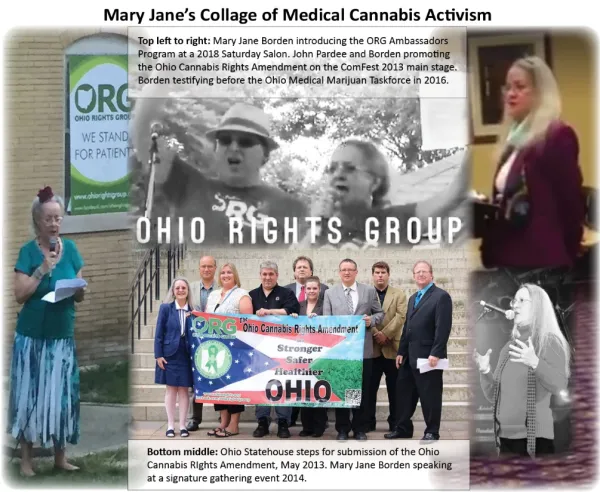
What an honor! I am extremely proud to be named the 2019 recipient of the Free Press “Libby” Award for Community Activism. I’m guessing that such an accolade means that I know a thing or two about the subject matter, activism. So please allow me to expound on what it means and what it takes.
First, Dictionary.com an activist as “an active, vigorous advocate of a cause, especially a political cause.” Yep, that’s me, and my cause for more than twenty years has been marijuana, aka cannabis and hemp.
Born from a passion for social justice, my inspiration to become an activist took fire with our nation’s draconian War on Drugs. The late 1990s saw a raft of wrongs smear its battlefield. In Tulia, Texas, almost half of this tiny town’s black male residents were arrested and incarcerated on trumped up drug charges. Blind to the real threat, schools locked down classrooms so drug dogs could sniff backpacks for marijuana. Drug testing. Mandatory minimum sentencing. Civil asset forfeiture. Stop and frisk. But most egregious was the murder of activists Rollie Rolm and Tom Crosslin by the FBI at the Rainbow Farm in Michigan.

Tuesday, October 22, 9:45am-12pm
Ohio Statehouse, 1 Capitol Square
Join us Tuesday, October 22 in the Senate Health, Human Services and Medicaid committee (South Hearing Room) for the third hearing on two anti-abortion bills - SB 155 and SB 208. The hearing is set to begin at 10:00 am
RSVP HERE - http://bit.ly/SB155SB208
Sunday, October 20, 2-3:30pm
Parsons Library, 1113 Parsons Ave.
Hosted by Columbus Club, Communist Party USA, The Anna Hass Morgan Club and Communist Party of Ohio, CPUSA. Political discussion, report on Ohio's denial of LGBTQ rights. Meeting Room 3.
Saturday, October 19, 2019, 6:00 – 9:00 PM
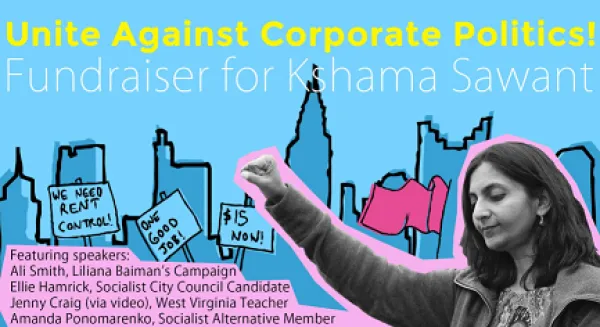
Join Socialist Alternative for a discussion on how we can unite against corporate politics, build independent political power, and fight for demands that working people need like rent control and a Green New Deal! Featured Speakers: Ali Smith from Liliana Baiman's city council campaign, Ellie Hamrick, Athens Revolutionary Socialists city council candidate in Athens, OH, Jenny Craig, West Virginia Teacher & President of WVEA Ohio County Local (via video) and Amanda Ponomarenko, from Socialist Alternative. With a live musical performance by The Counterfeiters! Location: St. Stephen’s Episcopal Church and University Center, 30 W. Woodruff Ave., Columbus 43210. Facebook.
Friday, October 18, 4:00 – 6:00 PM
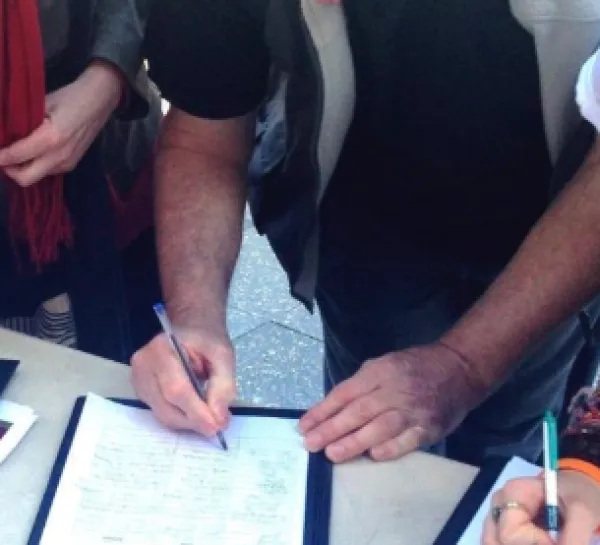
Many of you have been closely watching the debate on House Bill 6, legislation passed in July, which would place a charge on the bill of every ratepayer in Ohio to bailout two struggling nuclear plants and two of the region’s oldest, dirtiest coal plants. As if that were not enough, the legislation also guts the state’s successful renewable energy and efficiency standards that we have all fought so hard to defend over the last decade. If enough signatures are collected to get this issue on the ballot, the referendum effort keeps the law from going into effect until after Ohioans cast their votes in November 2020. Location:Land Grant Brewing Company 424 W. Town St. Columbus, OH 43215.
Thurs, October 17, 8-10pm
Vista Worthington, 7349 Worthington Galena Rd.
As the Ohio Legislature grapples with the question of how the state conducts executions—or perhaps if they should occur at all—come for the latest updates and hear stories of those who have experienced the issue first-hand. Featuring: Murder victim family members Chris Castillo and George White, and death row exoneree Shujaa Graham . Visit www.journeyofhope.org/ohio-journey for full event listing.