
Local
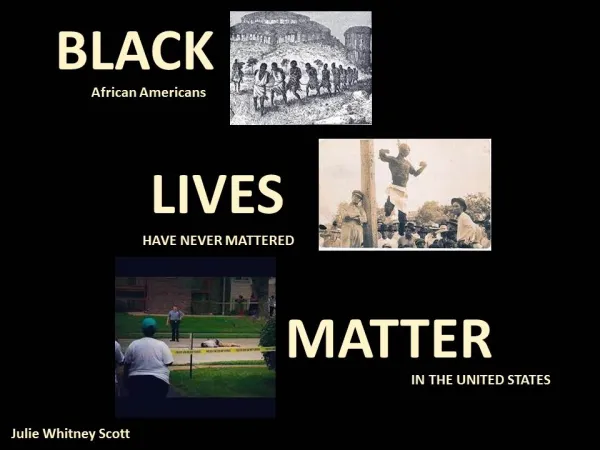
In the year 2014 Americans were forced, once again, to come face-to-face with the raw fact that African Americans, especially, African American males, remained disposable. In December 2014 after it was announced that the grand jury would not indict NYPD Officer Daniel Pantaleo for the killing of Eric Garner, the NAACP’s Legal Defense Fund posted tweets naming 76 men and women of color who were killed in police custody since 1999. This is only the reported cases of deaths from the hands of those paid to “serve and protect” not some but all citizens.
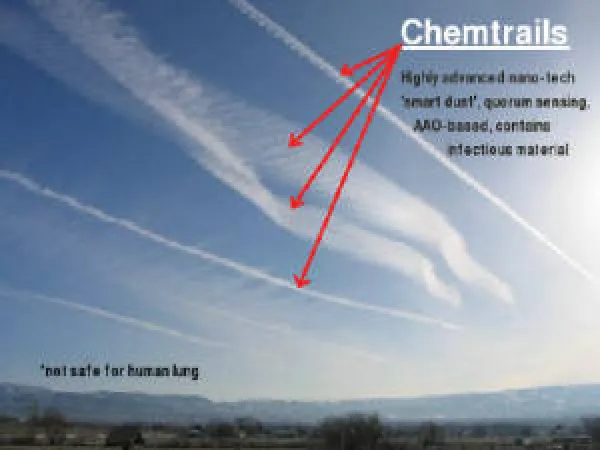
Noted climate scientist Ken Caldeira of the Carnegie Institute for Science at Stanford has finally popped the question. In an article entitled “One Known Way to Cool the Earth” on the February 16, 2015 USA Today opinion page, Caldeira writes: “There is basically only one way known to cool the Earth rapidly.” He explains the method “…is to reflect more of the sun’s warming rays back to space.”
What will it take to do this? According to Caldeira, only “A small fleet of airplanes could do what large volcanos do – create a layer of small particles high in the atmosphere that scatters incoming sunlight back to space. Cooling the Earth this way, could be fast, cheap and easy.”
The reality is that the U.S. government has been spraying for well over a decade and a half in plain view while attacking anyone pointing it out. They’ve been making a chemical haze of clouds and putting a sunscreen in the sky. Small white planes, some of them associated with Battelle Memorial Institute, have been creating clouds in a criss-cross pattern in the sky.

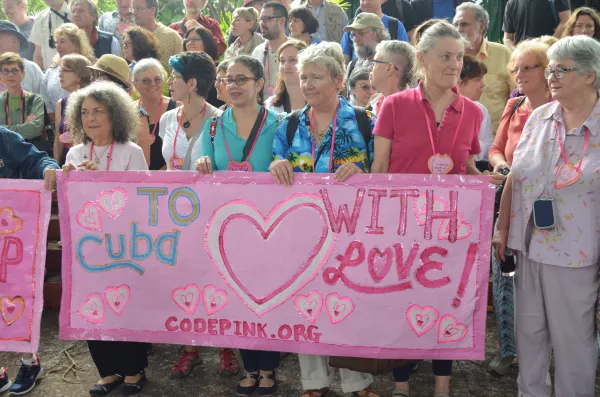
“…Cuba's voice is a voice that must be heard in the United States of America. Yet it has not been heard. It must now be heard because the United States is too powerful, its responsibilities to the world and to itself are too great, for its people not to be able to listen to every voice of the hungry world.” ~ C. Wright Mills, Listen, Yankee: The Revolution in Cuba, 1960.

A “new” group and concept for marijuana legalization has crept into Ohio and onto the national stage. Activism, advocacy, lobbying and ballot initiatives once comprised the social change formulae that challenged government suppression of this beneficial plant, which has historically been off limits to almost all use. But the success of legalization in Colorado has spawned a whole new brand of opposition. Internal, not external. Wealthy, not impoverished. Influential, not marginal. Seemingly pro, but very con.
A new group calling themselves “Responsible Ohio” (RO) has emerged on the marijuana ballot scene, driven not by grassroots activism, but instead by a consortium of investors, LLCs and holding companies who seek to enforce market exclusivity by writing themselves into the Ohio Constitution. Yet, despite a Goliath-size budget and a board of the rich and famous, they have made a number of critical errors, causing most of Ohio’s major newspapers to editorialize a preemptive “vote no!” to their scheme, belying all of the muscle that RO’s six figure ad agencies can buy. Some of the more damning aspects of RO include:
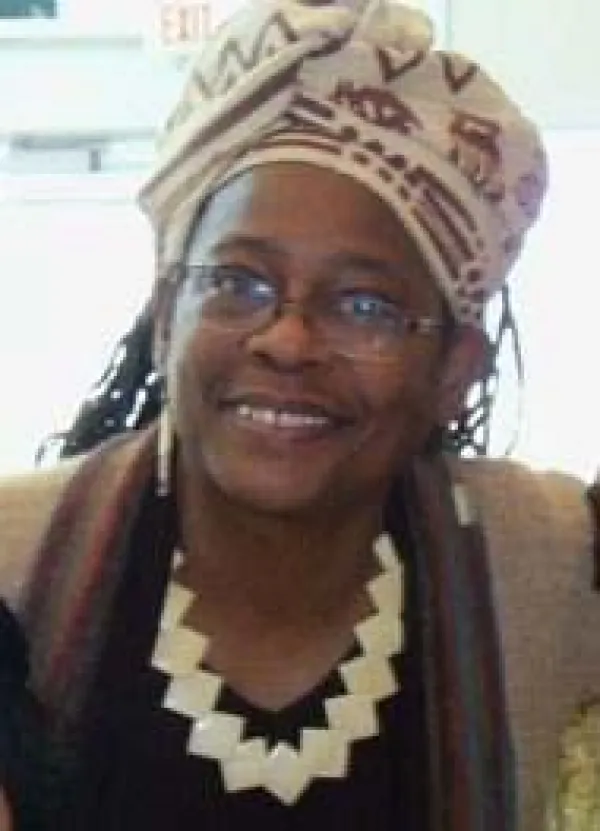
Archiving African American history in Columbus. Preserving Columbus' AfricanAmerican landmarks. Working to empower global Africans. Julialynne Walker is acknowledged in this issue as our Free Press hero for being a keeper AfricanAmerican history in our city.
Julialynne serves as an Advisory Committee member for the Columbus African American Digital Collection and is a Steering Committee member for the local AfricanAmerican Landmarks Preservation Initiative. She also brings to Columbus a rich background as a human rights advocate with a desire to provide crosscultural opportunities for all people.

As babies, we are held, touched, lovingly by our parents and caregivers. Some parents keep their child in a sling or other attachment to always have their child next to them, touching them. As we grow older, we become more independent and live our lives with less touching. Some people can go for long periods of time without giving or receiving positive touch.
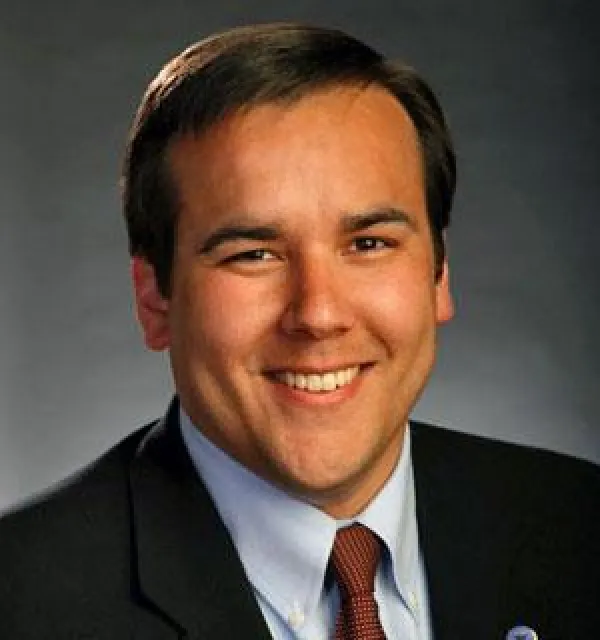
The anointed one, personally blessed by the presumed Mayor-for-life Michael Coleman, Andy Ginther, found the going tough as he faced his three opponents at an inner city forum on January 29, 2015.
More than one hundred residents, mostly black, gathered at the Corinthian Missionary Baptist Church on Columbus’ east side to hear the four potential mayoral candidates answer questions about the state of the city.
The four men who have announced their bid to replace Michael Coleman this year are:
Andrew Ginther, Columbus City Council President (D)
Terry Boyd, endorsed Republican candidate, former Columbus School Board president and Franklin University Professor (R)
Zach Scott, Franklin County Sheriff (D)
James Ragland, former Columbus City Council staffer for Charleta Tavares, now Catholic High School Development Director (D)
“Eighty percent of everything ever built in America has been built in the last 50 years, and most of it is depressing, brutal, ugly, unhealthy, and spiritually degrading” – James Howard Kunstler, from his book The Geography of Nowhere
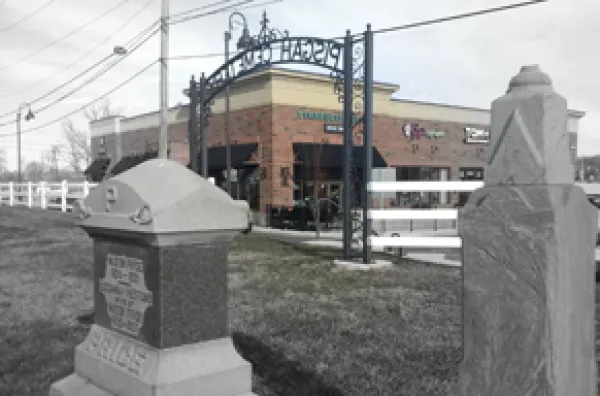
In the City of Pickerington the final resting place of a veteran who fought to end slavery has become surrounded by overwhelming traffic and besieged by over-priced coffee. A handful of living veterans grumbled, angered to see a Starbucks seemingly built over night was now practically on top of the Civil War veteran’s small cemetery. But once again the concerns of loyal and proud citizens were too late as developers and retailers had struck again.
It didn’t matter that the cemetery, Pisgah Cemetery on State Route 256, is one of the oldest in Ohio. What obviously mattered more was the traffic. According to Pickerington city officials, over 30,000 cars per day head south on State Route 256 during morning rush hour. Most access an I-70 on-ramp and head west to downtown Columbus. The cemetery is just a short walk from the on-ramp, but it’s not recommended because there are no sidewalks.
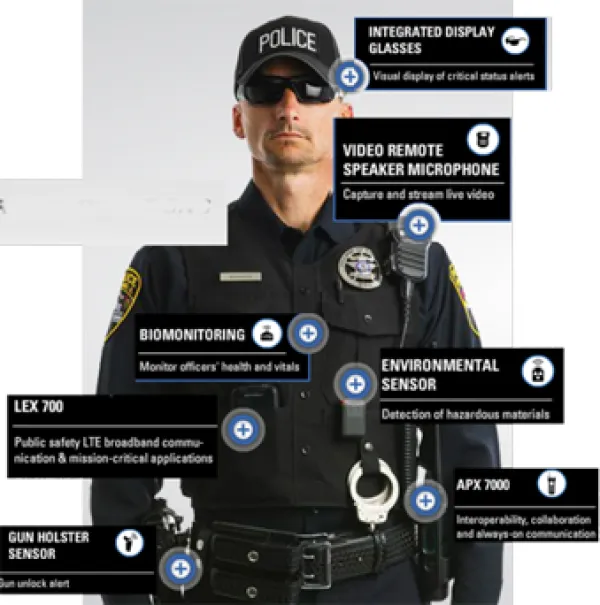
Since the beginning of the recent protest movement around the deaths of multiple unarmed African American men at the hands of police in multiple states there has been a push for police to wear body cameras. In the Tamir Rice and John Crawford III cases here in Ohio, video exists in the public sphere that clearly shows what happened. Yet in both cases the policeman who pulled the trigger is still free to roam the streets and still feeding at the public trough.
This push has come from within some sectors of the civil rights movement, from private police groups involved in repressing demonstrations, and from the White House itself. A closer look at body cameras, their packaging and companion products, and manufacturers yields a vista of constant public surveillance.