
Human Rights
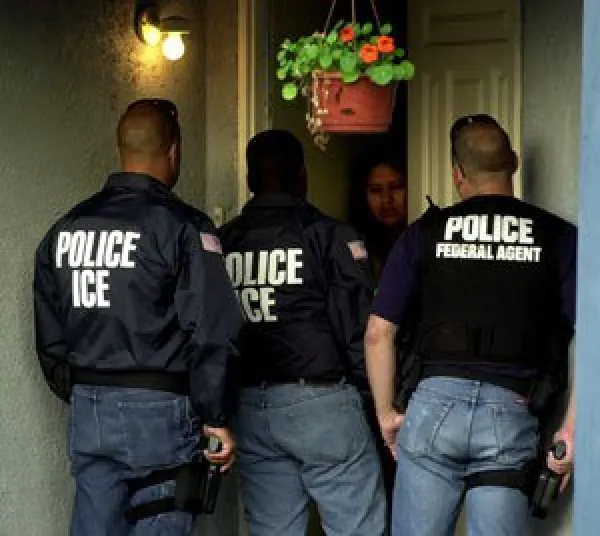
Around 9 a.m., a helicopter began circling overhead. Moments later, as Jonathan Blitzer wrote recently in the New Yorker, a fleet of cars pulled up outside the meat-processing plant in Bean Station, Tenn. . . .
And the SS guys stepped out.
Oh wait, I mean the ICE agents, who swarmed through the plant and wound up arresting 97 “illegals.”
In Morristown, a nearby town where most of the arrestees lived, “the raid was catastrophic news. Families’ worst fear had come true: husbands, fathers, wives, mothers — gone. The following day, more than five hundred students were reported absent from area schools, kept home out of a combination of fear, anxiety, and confusion.”
When history is looked at in its complexity, it plays havoc with the present moment.
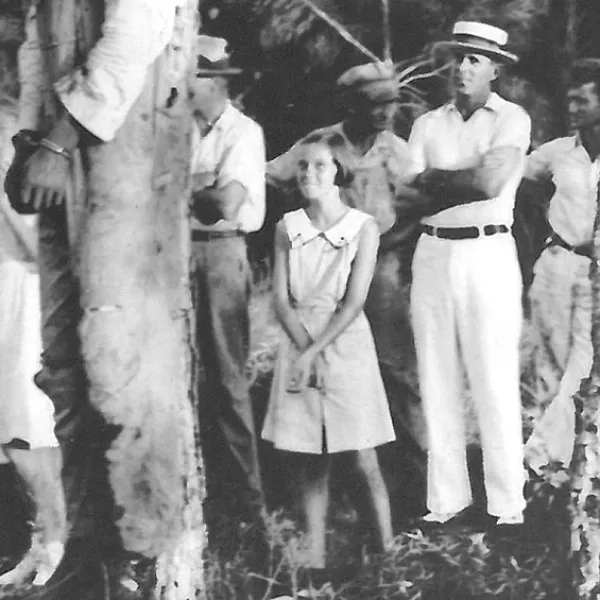
“This wasn’t done by the Klan, or people who had to wear a mask. This was done by teachers and clergy and law enforcement officers.”
This is Bryan Stevenson of the Equal Justice Initiative, talking to Oprah Winfrey on “60 Minutes” last week about the lynching 80 years ago of Wes Johnson, in an Alabama cotton field. It was one of multi-thousands of lynchings in the South and across the country in the wake of the Civil War — lynchings meant both as acts of terror to African-American communities and acts of public celebration and patriotism, with children present, dressed in their Sunday best. The lynchings were often commemorated as postcards . . . souvenirs.
While conflict theories and resolution processes advanced dramatically during the second half of the 20th century, particularly thanks to the important work of several key scholars such as Professor Johan Galtung – see ‘Conflict Transformation by Peaceful Means (the Transcend Method)’ – significant gaps remain in the conflict literature on how to deal with particular conflict configurations. Notably, these include the following four.
US District Court for Eastern District of New York
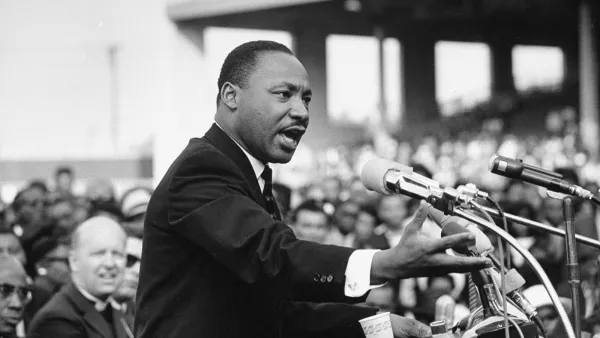
Fifty years ago, on 4 April 1968, the Reverend Martin Luther King Jr. was assassinated.
The night before he died, King gave another of his many evocative speeches; this one at the packed Mason Temple in Memphis. The speech included these words:
‘Men for years now have been talking about war and peace. Now no longer can they just talk about it. It is no longer a choice between violence and non-violence in this world, it is non-violence or non-existence. That is where we are today.’
In clearly identifying this stark choice and having been inspired by Mohandas K. Gandhi’s wideranging social concerns, King’s concerns were also broad:
‘The Triple Evils of poverty, racism and militarism are forms of violence that exist in a vicious cycle. They are interrelated, all-inclusive, and stand as barriers to our living in the Beloved Community. When we work to remedy one evil, we affect all evils.’ See ‘The King Philosophy’.
By David Swanson
http://davidswanson.org/thinking-beyond-exceptionalism/
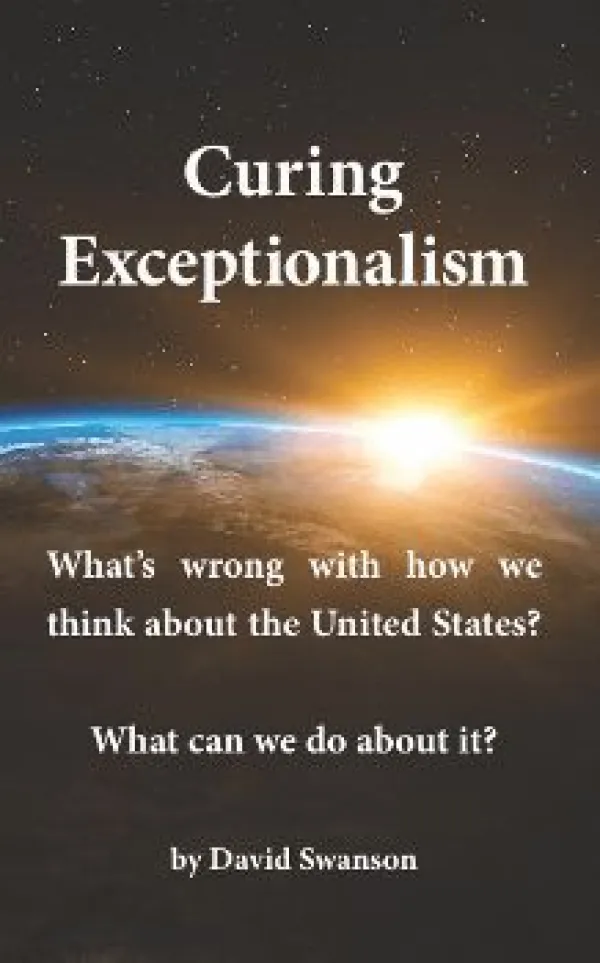
Excepted from Curing Exceptionalism: What’s wrong with how we think about the United States? What can we do about it? (April, 2018).
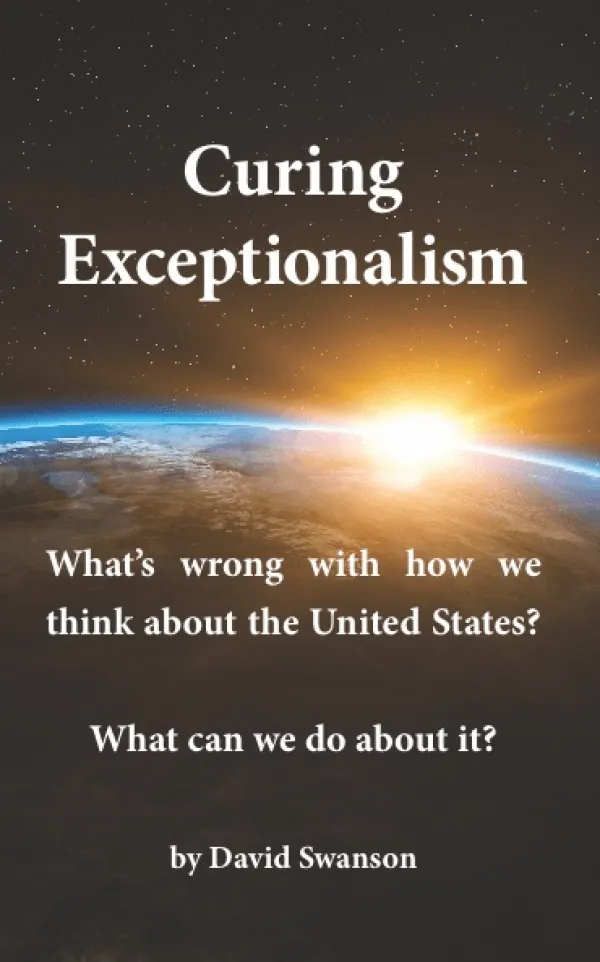
My new book is coming out very soon. Get in touch regarding interviews or publishing excerpts.
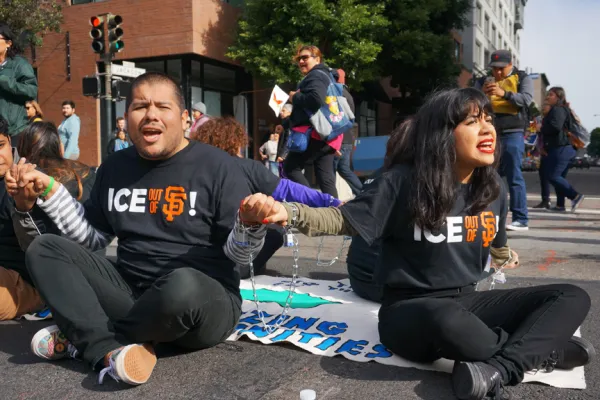
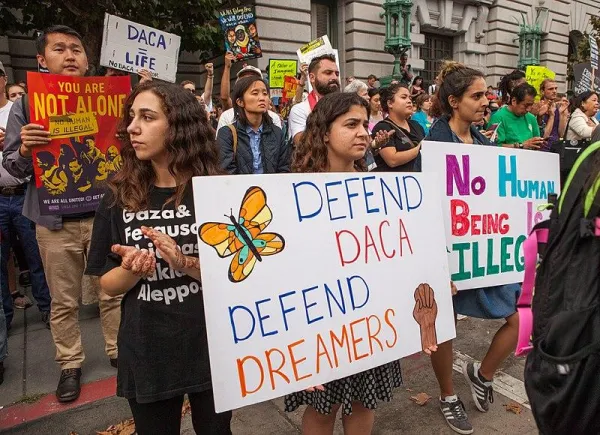
Perhaps the best political news of the Trump era has been the emergence of sanctuary cities — city governments valuing the presence of immigrants and standing for the protection of their right to live without fear — and their defiance of this country’s current manifestation of legal racism.
“How dare you vilify members of our community by trying to frighten the American public into thinking that all undocumented residents are dangerous criminals? . . . How dare you distort the reality about declining violent crime rates in a diverse, sanctuary city like Oakland to advance a racist agenda?”
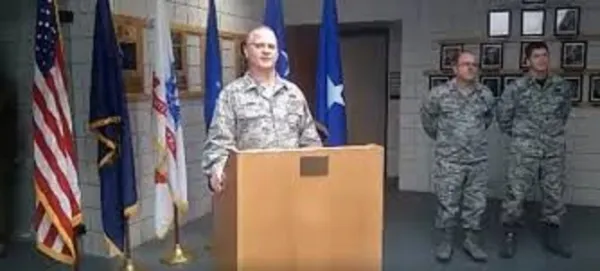
General misleads voters on weapon of mass destruction F-35
 here was a time when pretty much every American understood that the US Constitution provides for civilian control of the military. And there was a time when Americans understood that uniformed military were not to engage in civilian politics. Generals were free to be presidents or other high-ranking officials, but not till they were out of the military. Retired officers remain subject to a less stringent military code regarding political activity. The current president relies on several former generals, despite the five-year ban on such service, because it was waived.
Civilian control of the military is bedrock American constitutionalism. The president is the commander in chief. There is no parity, it is not a negotiated relationship – we have civilian control of the military. And most military officers have understood that the correct response to that assertion was “Yes, Sir!”