
Arts

Friday, March 23
Ohio Shorts, 7-8:45pm, Drexel Theater, 2254 E. Main St.
Not Quite Midnight Shorts. 9:30-11:30pm, Drexel Theater, 2254 E. Main St.
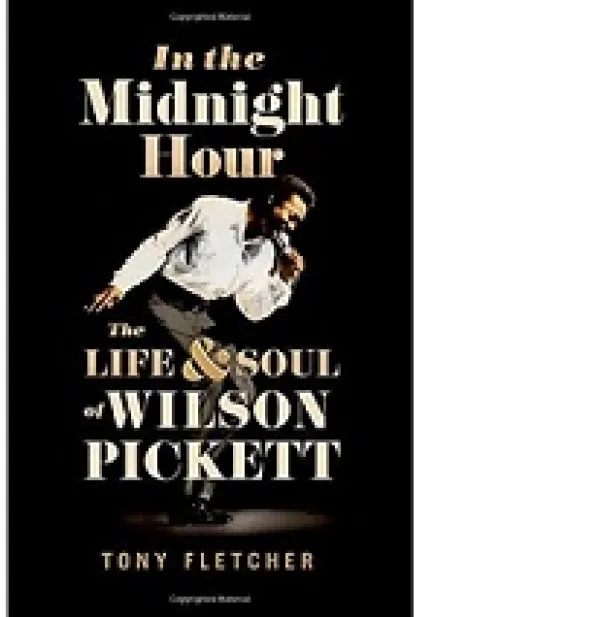
In the Midnight Hour chronicles two parallel tracks of twentieth century African American history: the Great Migration, when 1.75 million African Americans left the rural south for the urban north from 1910 through 1940, and the story of the black American experience in the middle of the twentieth century as told through music.
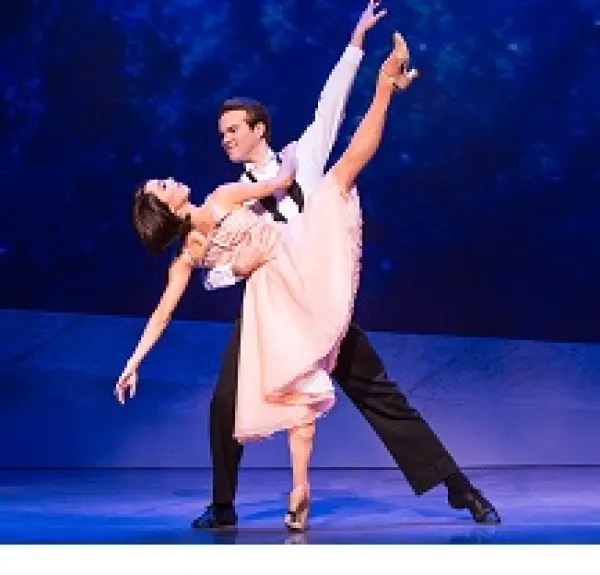
Love is more important than art, a character proclaims during a key moment from An American in Paris. While that’s undoubtedly true, it’s art that makes the musical so memorable.
Christopher Wheeldon’s direction and choreography combine with Bob Crowley’s set and costumes, Natasha Katz’s lighting and, most of all, George and Ira Gershwin’s ageless jazz tunes to create multiple gifts for the eyes and ears. As for the love story at its center, it mostly amounts to the colorless glue that holds it all together.
Based on the 1951 film about an American (Gene Kelly) who woos a reluctant Frenchwoman (Leslie Caron), the musical took an unconventional path to its 2015 Broadway premiere. It debuted in late 2014 in Paris, where it created a stir despite the language barrier. In addition to its glorious musical numbers, Parisians likely were attracted to its rejiggered plot and setting.
Will the #MeToo/Time’s Up movement have a lasting effect on Hollywood? Too soon to say, obviously, but it’s already had a profound effect in the short term. In the weeks and months leading up to the March 4 Academy Awards ceremony, several men have seen their fortunes fall thanks to the film industry’s long-overdue revolt against sexual harassment. To recap:
▪ Harvey Weinstein: The mogul whose alleged serial abuse sparked an entire movement has been ejected from both his own film company and the Academy of Motion Picture Arts and Sciences, which means he’s been uncharacteristically absent from this year’s Oscar competition.
▪ Kevin Spacey: The actor was deleted, post-production, from All the Money in the World after being accused of sexually assaulting underage males. Making a terrible situation even worse, he issued a kind of non-apology apology combined with the ill-timed announcement that he’d decided to come out as a gay man. (Christopher Plummer was brought in to reshoot his scenes and won an Oscar nomination for his efforts, making him perhaps the only male celeb who’s benefited from the movement.)
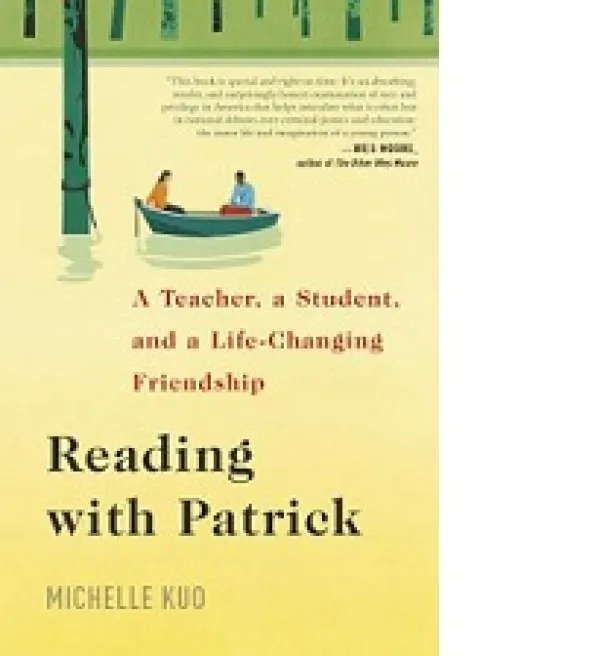
I loved school from the minute I set foot in kindergarten. Blessed with two older sisters who brought home their schoolwork and parents who read, I was an apt and eager pupil when my older sister, Marva, taught me to read when I was four. (Since she is five years older, I’m sure it was under the guise of her babysitting and bossing me around, but who knew?) As someone who has earned a doctorate, is a professor, and a writer, I am convinced that teaching someone to read is the most valuable of gifts. I’ll always be grateful to Marva for it.
I attended Highland Avenue Elementary School here in Columbus, and had the most wonderful third-grade teacher in Carolyn Brunk Keller. The thing I liked most about her is that she loved to read, noticed that I did, too, and gave me every opportunity to do so. After that year, nothing would do but that I had to become a teacher. While I did a number of things before that, I finally landed in my chosen profession, albeit teaching at the college level rather than third grade as I assumed I would. When I saw Reading with Patrick in the book store, I was immediately intrigued.
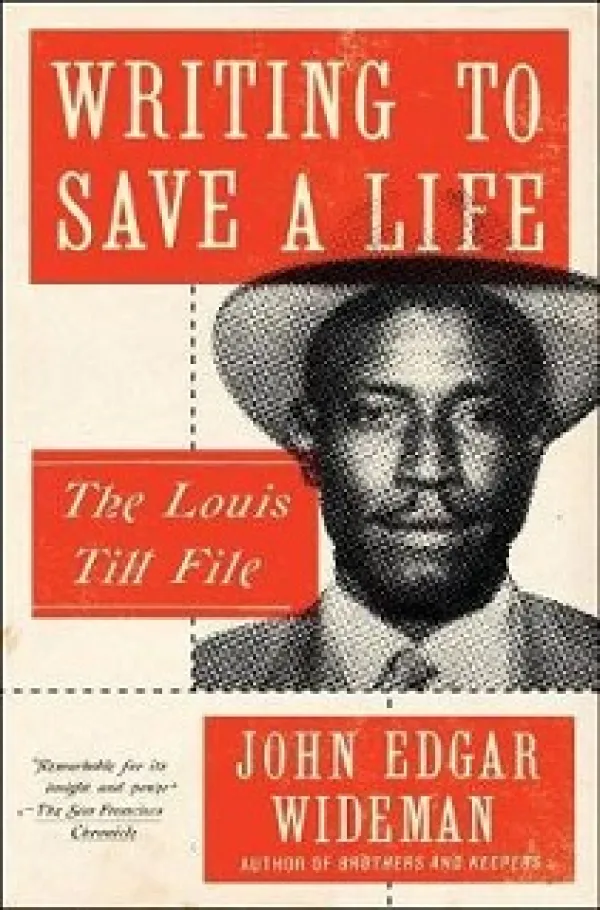
Surely one of the most shocking murders of the modern day freedom movement was that of Emmett Till in Money, Mississippi, on August 28, 1955. The fourteen-year-old Chicago native was engaging in a time-honored tradition in the black, northern, urban community: he was sent down south to visit relatives during his summer break from school. Emmett’s mother, Mamie Till, had warned him that there was a great difference between Chicago and Money. She cautioned him to stay away from whites, but to show them extreme deference if he had to interact with them. Till left Chicago a fresh, chubby cheeked teenager and returned a grotesque corpse in a pine box.
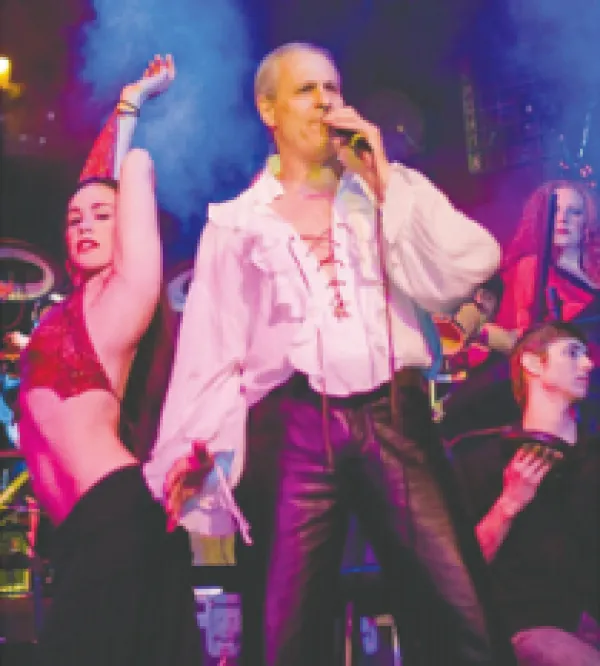
It’s been nearly nine years since Shadowbox Live time-traveled to the 1960s with Back to the Garden. The music-filled re-creation of the Woodstock Festival was such a success that the troupe has restaged it multiple times in multiple locations.
Now the troupe is returning to the rebellious decade with a new show called The Dream. Though the name comes from Martin Luther King Jr.’s 1963 “I Have a Dream” speech—excerpts from which will be heard throughout—the show itself is not based on a specific event. Instead, it will focus on 1960s efforts to advance the causes of freedom and equality for underprivileged segments of the population.
“The Dream celebrates the unsung heroes and the triumphant stories of those who stood up (for) African-Americans, women and the LGBTQ community,” Shadowbox executive director Stacie Boord explained during a Jan. 24 preview event.
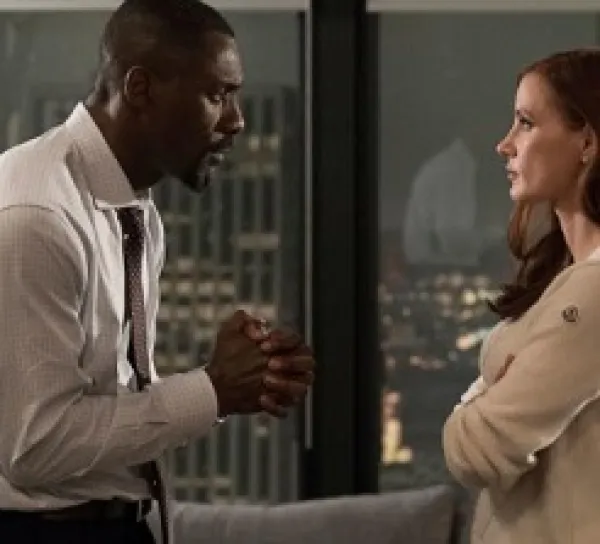
Like the title character Jessica Chastain portrayed in last year’s Miss Sloane, the woman she plays in Molly’s Game is driven by fierce ambition and copious amounts of pharmaceuticals. Though the current film is a typically literate effort written and directed by Aaron Sorkin, I can’t help preferring its trashy predecessor.
The main problem: Despite the new flick’s snappy dialogue and intriguing story, it’s hard to care about Molly Bloom. Based on an actual woman who made a fortune organizing high-stakes poker games, Chastain’s Bloom comes across as someone who cares only about success.
To be sure, there’s something admirable about Bloom’s ability to carve a place for herself in a secretive world dominated by men. There’s something even more admirable about her determination to forge her own path after some of those men—especially a poker entrepreneur named Dean (Jeremy Strong) and a movie star known only as Player X (Michael Cera)—attempt to control her.
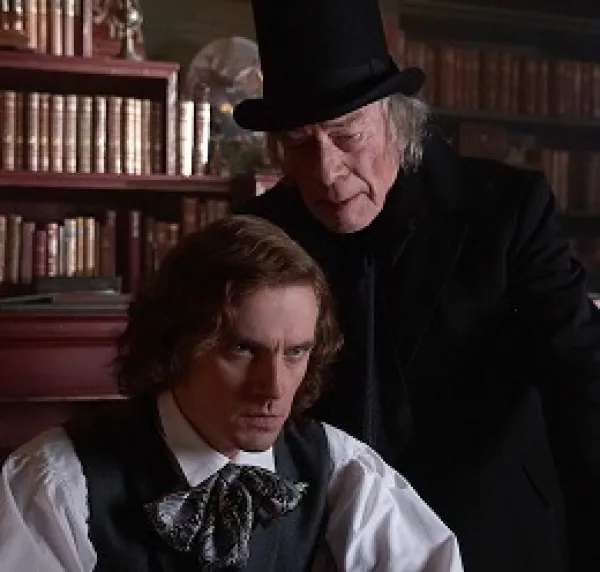
Theater troupes and filmmakers persist in telling and retelling A Christmas Carol year after year. And why not? Charles Dickens’s ghostly morality tale makes a moving case for redemption and generosity, the respective hallmarks of the religious and secular sides of the holiday.
The story is such a perfect complement to the season that anyone who performs it competently is likely to meet with success. That is, unless they give in to the temptation to put their own spin on it. Then, all bets are off.
This year, a local theater production and a nationwide movie decided to get creative with the classic tale. In each case, they would have been better off letting Dickens be Dickens.
The troupe is Shadowbox Live, which in the past has given us Scrooge, a movie-to-stage adaptation that musicalized the tale but left its inspiring message intact. This year, Shadowbox remade the wheel with Cratchit, an original production that sets the action in modern America and focuses on Scrooge’s underpaid employee rather than the skinflint himself.

Upon entering the OSU Urban Art Space, you are greeted with a biography of Dr. Frank Hale and other culturally relevant icons.
Frank Hale worked at OSU from 1971-98. He was a man of many accolades, important jobs and podiums. He was the Associate Dean of the Graduate School, Vice Provost for Diversity and Inclusion, and a Professor Emeritus. He sat on many regional boards – everything from the United Negro College Fund to the Ohio Martin Luther King Commission. Frank lectured many places including the National Academy of Science.
Dr. Frank Hale served as a consultant to various institutions and organizations such as the Department of Education and West Point. He published several books including an autobiography called Angels Watching Over Me in 1996 and What Makes Diversity Work in 2004. Dr. Frank Hale died in 2011. This information is condensed from BlackSociety.alumni.osu.edu.