
Arts
This article first appeared on Reader Supported News
Only so long you can keep this charade
Before they wake up and see they’ve been played
Too many people with their livin’ at stake
Ain’t gonna take it.
The comin’ round is going through
The comin’ round is going through.
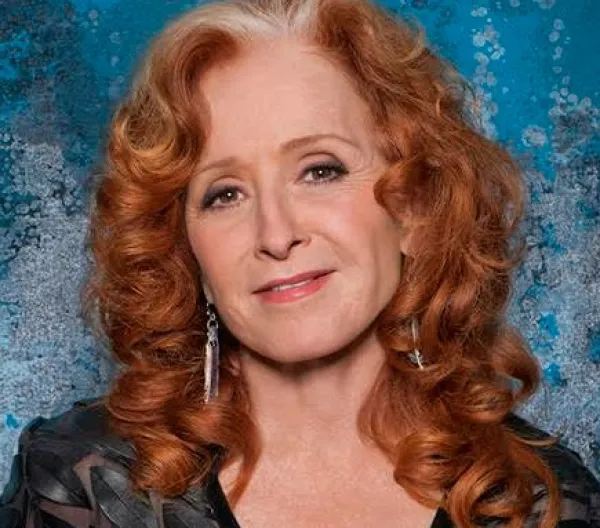
t’s not often a single stanza can sum up a whole political system. But those words from Bonnie Raitt ring truer every day as this pathetic “selection” season lurches ever deeper into astounding ugliness.
As evidenced by her new album, Dig in Deep, and her current concert tour, the opposite is true of Ms. Raitt, whose astonishing talent and endless heart just keep growing.
By way of disclosure, I’ve had the privilege of working with Bonnie on nuclear and other issues since 1978.
At the end of July I had the good fortune to see her perform at the Greek Theater in Los Angeles. She is on a long tour now, and if you get the chance to catch one of her shows, don’t pass it up.
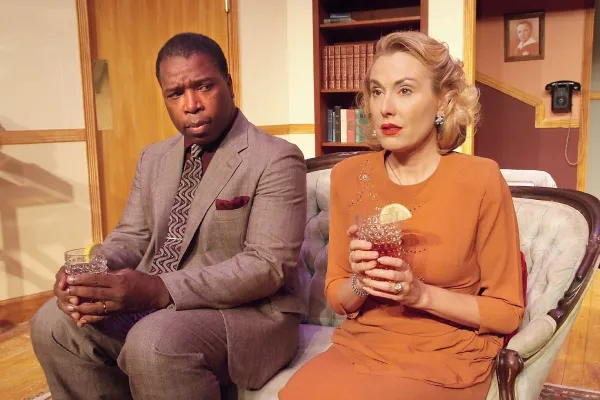
The Manson tribe was not the only wolfpack of murderous maniacs to inhabit a remote ranch in L.A. County in order to foment a helter-skelter race war in America. Before the U.S.A. entered World War II, Nazi sympathizers endeavored to create a Hitlerian enclave at Murphy Ranch in Rustic Canyon, according to the new drama Blueprint for Paradise. Members of the Silver Shirts - a pro-Nazi organization with militia-like aspects - were suspected of drilling and training at this 50 acre compound near Pacific Palisades. Perhaps even more mindboggling is that in their effort to build this dystopia dedicated to the eugenicist “ideals” of the blonde-haired, blue-eyed Aryan super race, an African American architect was hired to render the eponymous blueprints for the goosesteppers.
In this riveting world premiere written by Laurel Wetzork the
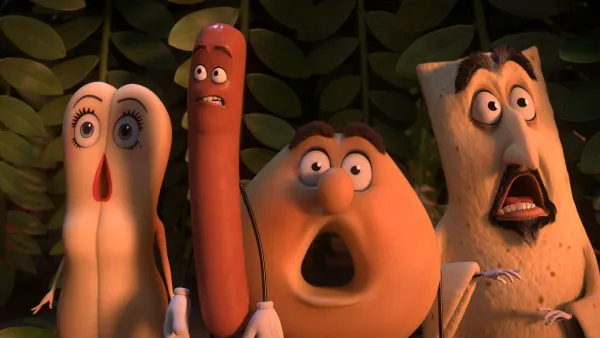
Horny hotdog questions the meaning of life
Is Sausage Party the Donald Trump of animated films?
Stylistically, they have more in common than you might think, being both foul-mouthed and self-consciously outrageous.
Politically and philosophically, on the other hand, they couldn’t be more different. While Trump panders to his supporters by appealing to their fears and frustrations, Sausage Party dares viewers to question the assumptions on which most of us base our very existence.
Set in a huge grocery store, the R-rated comedy stars Seth Rogen as Frank, a hotdog in love with a bun named Brenda (Kristen Wiig). Like other food products in the store, they look forward to the day when they’ll be liberated by a “god”—that is, a shopper—who will take them to the “promised land.” Only then will Frank and Brenda finally be able to satisfy the carnal needs that have been denied them by their moral scruples, not to mention the plastic packages that separate them.
Horny hotdog questions the meaning of life
Is Sausage Party the Donald Trump of animated films?
Stylistically, they have more in common than you might think, being both foul-mouthed and self-consciously outrageous.
Politically and philosophically, on the other hand, they couldn’t be more different. While Trump panders to his supporters by appealing to their fears and frustrations, Sausage Party dares viewers to question the assumptions on which most of us base our very existence.
Set in a huge grocery store, the R-rated comedy stars Seth Rogen as Frank, a hotdog in love with a bun named Brenda (Kristen Wiig). Like other food products in the store, they look forward to the day when they’ll be liberated by a “god”—that is, a shopper—who will take them to the “promised land.” Only then will Frank and Brenda finally be able to satisfy the carnal needs that have been denied them by their moral scruples, not to mention the plastic packages that separate them.

As the 1960s gave way to the 1970s, TV newscasts were dominated by the Vietnam War and other controversies that were tearing American society apart. Meanwhile, TV’s fictional offerings stuck to relatively benign topics such as Sister Bertrille (Sally Field) and her amazing ability to defy gravity in The Flying Nun.
Then, on Jan. 12, 1971, everything changed. That’s when an outspoken bigot named Archie Bunker first saw the light of day in the debut of All in the Family.
The singular individual who brought Archie to life is the subject of the new documentary Norman Lear: Just Another Version of You. Co-directed by Heidi Ewing and Rachel Grady (Freakonomics), it gives us some insight into a man whose refusal to play it safe allowed him to dominate network television until the day when he suddenly walked away from it all.
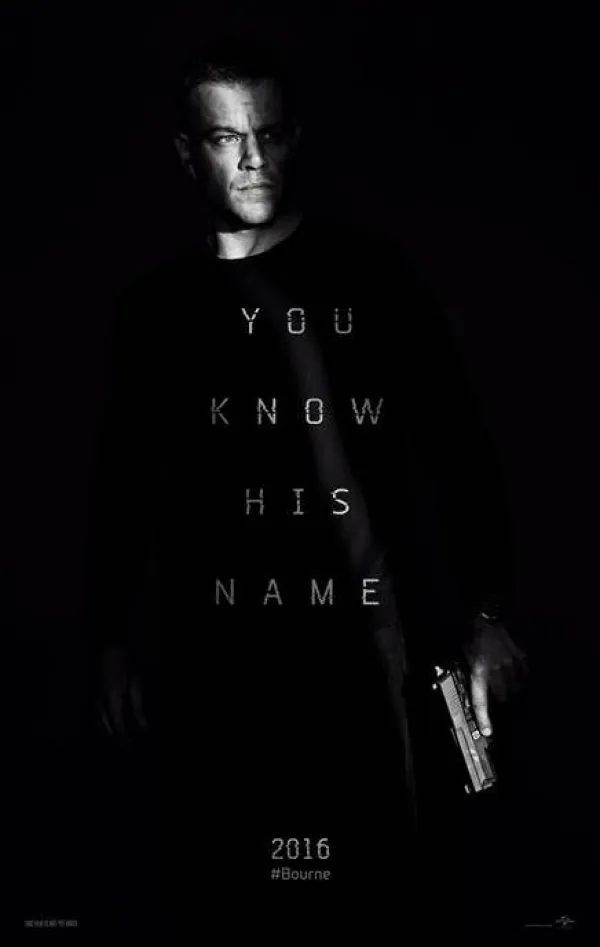
Jason Bourne is the fifth installment in the Bourne film franchise derived from Robert Ludlum’s espionage novels that began with 2002’s The Bourne Identity. Ludlum’s original Bourne trilogy began in 1980 but didn’t reach the big screen until shortly after 9/11, when the CIA and other U.S. intelligence agencies turned to what author Jane Mayer called The Dark Side. The latest sequel continues the Bourne formula of nonstop action combined with criticism of the Central Intelligence Agency and is the fourth movie starring Matt Damon as the title character and the series’ third feature helmed by British director Paul Greengrass, starting with 2004’s The Bourne Supremacy.
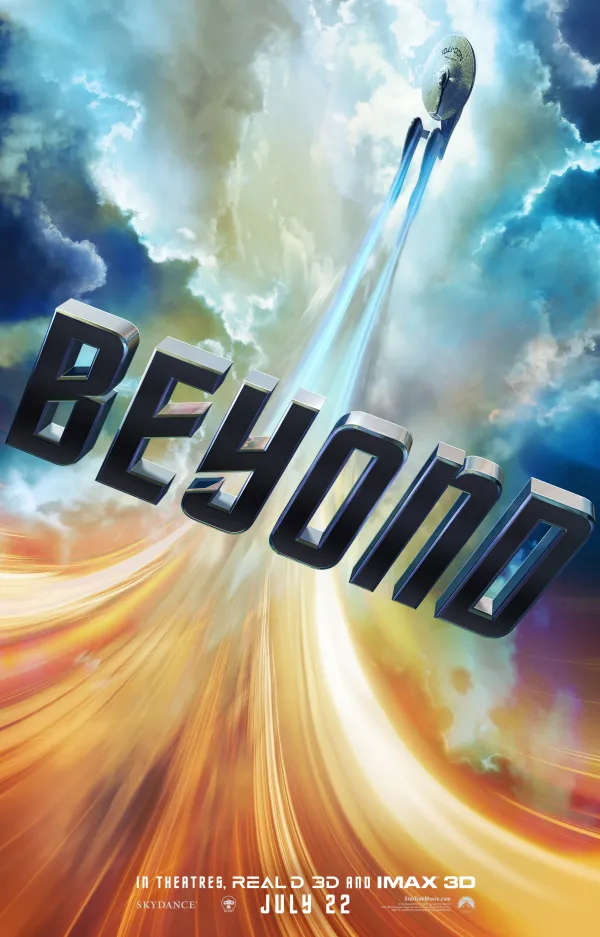
What a tired retread this umpteenth rip-off of the brand Gene Roddenberry pioneered 50 years ago with 1966’s Star Trek TV series, is, directed and produced by the cinematic art form’s most overrated, overpaid colossal no-talents. To see how many televised and motion picture permutations - perhaps mutations is a better word? - there have been of this sci fi TV classic, starting with a 1979 big screen adaptation and including 1982’s The Wrath of Khan and 1984’s The Search for Spock, see:
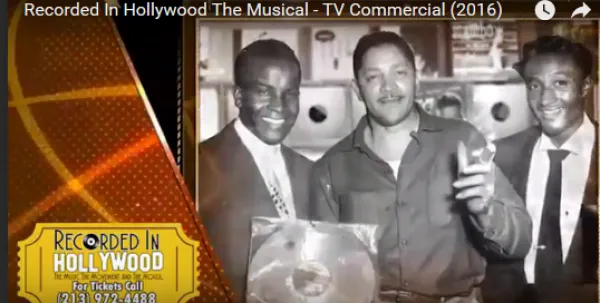
Who knew? Before there was Fox-TV’s Empire, there was John Dolphin (Broadway veteran Stu James),who from 1948-1958 was an African American impresario and entrepreneur who pioneered “Race music” at a critical time when Rock ‘n’ Roll was being born. AsRecorded in Hollywood splendidly dramatizes through music, dance, dialogueand more, this trailblazer presided over his show biz domain from the record shop Dolphin’s of Hollywood. However, as this bioplay quickly reveals in Act I, the emporium from whence Dolphin ruled his mini-empire was not located on then-lily white Hollywood Blvd., where not- so-angelic Angeleno realtors literally refused to rent a space out to him, even when offered rent in advance in hard cold cash.
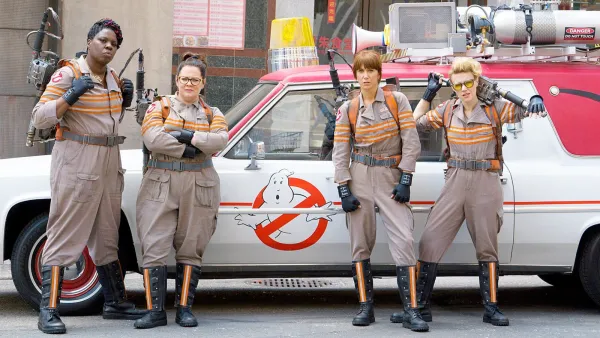
The all-female title characters of 2016’s Ghostbusters can bust ghosts just as well as their 1984 forebears. Just don’t expect them to bust a lot of guts in the process.
Despite its overall quirky charm, the original film was primarily a Bill Murray comedy. It was fun to watch the other Ghostbusters spout pseudo-scientific jargon as they tried to save New York from a spectral invasion, but what made it funny was Murray’s wry attitude to the whole thing. He was too busy trying to romance Sigourney Weaver to take his job seriously.
The main problem with the new Ghostbusters is that despite its comedically adept cast, no one is given the chance to fill Murray’s laconic shoes. Nor, unfortunately, are they allowed to take Ghostbusters in a revolutionarily new, female-centered direction. Certainly nothing on a par with director Paul Feig and star Kristen Wiig’s 2011 buddy picture/romcom, Bridesmaids.
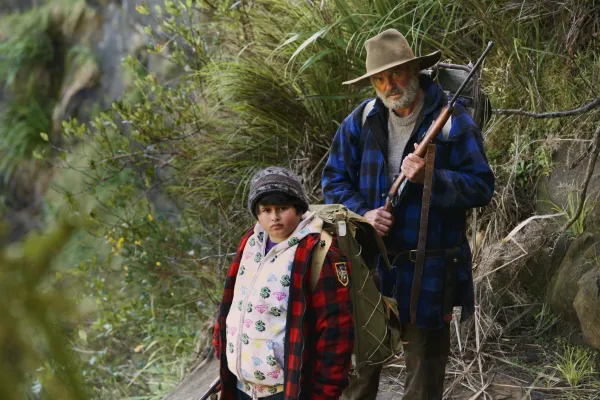
This is a banner week for South Seas Cinema, the film genre set in/shot at the Pacific Islands. It is being kicked off by writer/director Taika Waititi’s gem, Hunt for the Wilderpeople, which was made on location in Aotearoa/New Zealand. This good-natured, well-made film is a sheer delight and absolute joy to behold (and although there is some off-color language and violence, is recommended viewing for most children and families).
In essence, Wilderpeople is about an urban Maori (the indigenous people of NZ) juvenile delinquent type, Ricky Baker (the droll, roly-poly Julian Dennison), who is placed in a foster home somewhere out in the bush. There, he is begrudgingly adopted by “Uncle” Hec, a Caucasian ex-con and “bush man” played by the great Sam Neill. (Did you know that in addition to co-starring as Dr. Alan Grant in 1993’s Jurassic Park and 2001’s Jurassic Park III, as well as in 1999’s Hawaii-set Molokai, Neill grew up in the South Island of New Zealand and co-directed/co-wrote an insightful documentary about that country’s movies called Cinema of Unease?)