
News

The way our electoral process now stands, electronic voting machines guarantee a Republican victory in 2016.
No matter what she does, Hillary Clinton—-or any other Democratic nominee—- cannot be elected without a fundamental change in the basic mechanics of how our votes are cast and counted.
It is a profoundly disturbing reality that casts a long shadow over all that’s wrong with our electoral system, no matter who one favors for public office.
Just 15 years after the theft of the 2000 election, the Democrats have finally begun to talk about voter rights and various methods to guarantee public access to the polls.
But for a non-Republican to win the White House next year, two virtually impossible things must happen: the Democrat must win by absolutely indisputable margins far beyond simple majorities—-10% or more—- in the key states whose electronic tallies will swing the Electoral College.
So the first step in healing should be for the state of South Carolina to honor these victims by removing its Confederate flags. The Confederacy was an unmitigated hell-hole for African-Americans. There are no provinces in Germany that “preserve their legacy” with swastika banners, and there should be none in the US that should do so for the flag of Dixie.

I’m shocked – shocked! – that our City Council President and leading mayoral candidate Andy Ginther is accused of taking bribes. His name is attached to the scandal involving former CEO of Redflex Karen L. Finley – provider of much-hated red-light traffic cameras – pleading guilty to bribery and fraud schemes.
Finley pled guilty to submitting payments based on false invoices to a consulting firm, which then laundered the money into elected public officials’ accounts – including Andy Ginther’s account. In classic corrupt quid pro quo, in exchange for the dough, Ginther granted Redflex a contract for red light cameras in our city.
No wonder he was able to raise so much money as Council President and as a mayoral candidate. Ginther’s method, like his mentor Mayor Michael Coleman – is that nearly every contract is an opportunity to shake someone down for money.
In this case, we’re glad to say, “We told you so.”
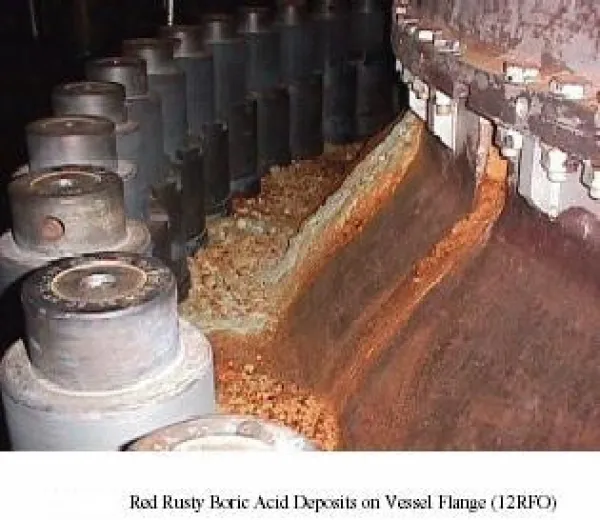
Big coal was handed a big defeat in Ohio thanks to strong opposition from thousands of concerned citizens in central Ohio and the rest of the state.
In a case before the Public Utilities Commission of Ohio (PUCO), American Electric Power (AEP) requested to increase its customers’ electric bills to pay for aging coal plants. Coal, which generates nearly 70 percent of electricity in Ohio, causes major air pollution and negatively impacts public health while contributing to climate change.
In particular, AEP wanted to charge customers an estimated $117 million, according to the Ohio Consumers’ Counsel, to keep two dirty, expensive coal plants in operation. These coal plants (Kyger Creek in Cheshire, Ohio and Clifty Creek in Madison, Indiana) were built in the early 1950s. They are not competitive with today’s market prices for electricity, and they spew toxic pollution into our air and water.
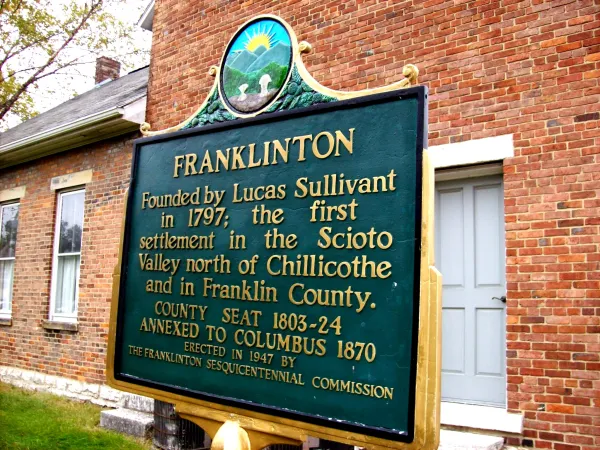
Step by step the revitalization of Franklinton is gaining traction. And because this is the city’s oldest neighborhood and practically in the shadows of downtown, how Franklinton actually emerges will be historic even if the revival takes two decades, the time planners have suggested is needed to make their vision a reality.
But questions and rumors are swirling amongst residents, some of whom are families with generations invested in Franklinton. Some are worried they will be displaced and wonder if they are even wanted in their own community. Franklinton was founded in 1797, but unmercifully split over a century-and-a-half later by State Route 315 into East Franklinton, home to many industrial buildings, and West Franklinton, where most residents live.
The mayor’s office, the Columbus Metropolitan Housing Authority, and their hired developers, such as the high-profiled Don M. Casto Organization, are at a critical juncture as they continue to plan and begin to build what they are calling “an arts and innovation” community that will attempt to bond both East and West Franklinton back together.
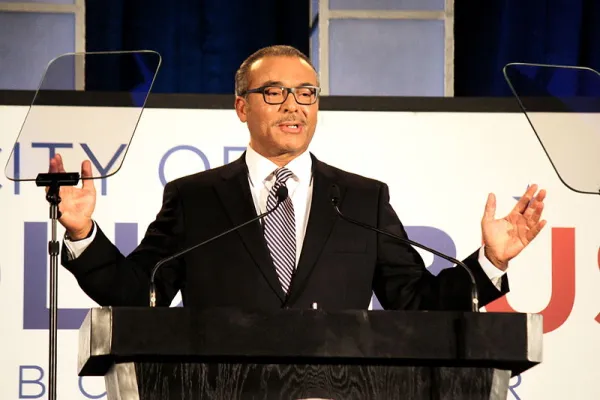
Elder Michael Reeves, Pastor of Corinthian Baptist Church, led off a January mayoral candidates debate co-sponsored by the Coalition of Concerned Black Citizens and elder stateswoman Ann B. Walker by saying “we did this forum because we have not seen a political agenda for Black Columbus, and wanted all the candidates to know that we expect them to address issues of interest to the Columbus black community.” The most surprising thing about this statement coming as the city’s first Black Mayor is preparing to retire, is that it was not a controversial statement whatsoever to the audience.

Attend the Day of Action opposing the FirstEnergy bailout
Monday, June 15 at 11 am in front of PUCO offices, 180 East Broad Street in Columbus
Following the rally, the Sierra Club will host a lunch
with overview and opportunities to contact the PUCO and Governor John Kasich.
Since December of 2010, FirstEnergy has been attempting to get a 20-year license extension for its Davis-Besse nuclear reactor (power plant) located on Lake Erie in Oak Harbor, OH, 20 miles east of Toledo.
The U.S. Nuclear Regulatory Commission (NRC) has stacked the deck in numerous ways to shut out citizen organizations seeking to prevent relicensing of the nation’s fleet of aging, embrittled reactors.
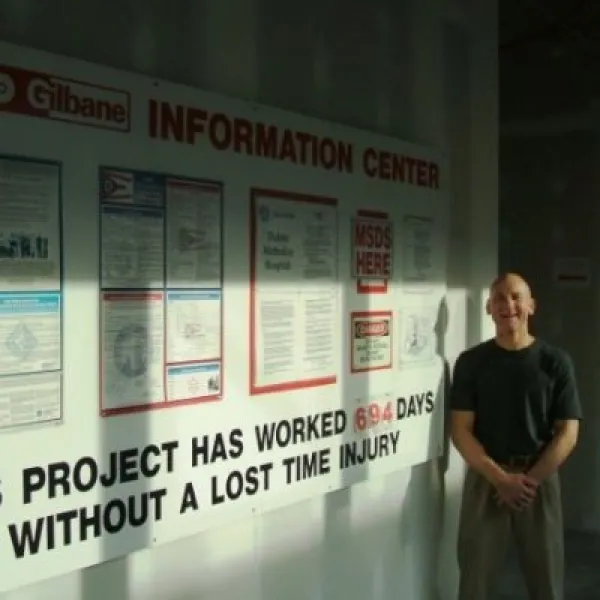
On Friday May 15th, Joe Motil, longtime community activist and past candidate for Columbus City Council and State Representative announced today that he filed paperwork with the Franklin County Board of Elections as an official write-in candidate for the office of Columbus City Council.
Join us Saturday May 2nd in the Short North as we protest in Solidarity with the people of Baltimore.
*Columbus students please read note at the end*
We are marching for the people of Baltimore.
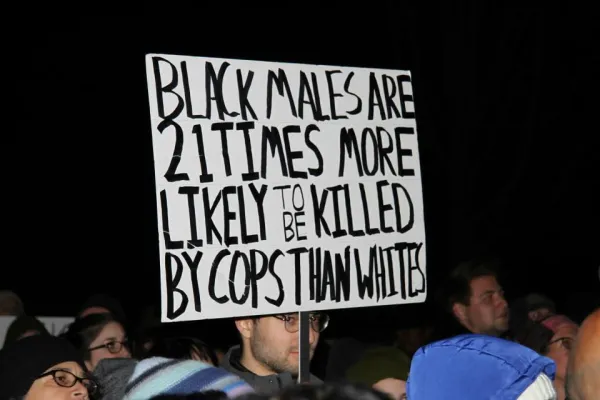
We are marching in remembrance of Rekia Boyd, Mya Hall (a Black Transwoman who was killed by Baltimore Police on May 30th) and Freddie Gray, a Black Man who was killed by BPD on April 19th.
We are marching because the Columbus Police Department still remains silent on the community’s concerns though they promised us a response by the end of April.
At 6pm we will be meeting outside of the Ohio Union and marching to the Short North.
Why the Ohio Union/Short North?
We recognize that before the expansion of The Ohio State University and what is now called the “Short North” these neighborhoods belonged to Black/Brown families. OSU, the Gateway and the Short North have played a big role in the gentrification these neighborhoods and the police harassment of Black people who used to call these streets home. On Saturday, May 2nd, we are taking these streets back!

I was having a debate with my friend the other day. He cried hoax – April Fool’s! I said brave new world. So, which is it? Is genetically modified – GMO – marijuana under development, or is this just a joke?
The news article that kicked off this debate entitled, “Monsanto Creates First Genetically Modified Strain of Marijuana,” appeared in the online newspaper World News Daily Report. Actually, not the optimal source. In its own disclaimer, the Report calls its articles “satirical and fictional.” Further, a website calling out fakery labeled the article “False.” Score one for my friend.
But the question remains open. Is genetically modified pot little more than an April Fool’s joke?
A February article in The Columbus Free Press described GMOs as “living organisms whose genetic material has been artificially manipulated in a laboratory.” Without question, they are getting a bad rap. GMOs have been banned in some countries, linked to illnesses and even deemed unethical by the Vatican. So why would a company want to genetically modify marijuana?