
People
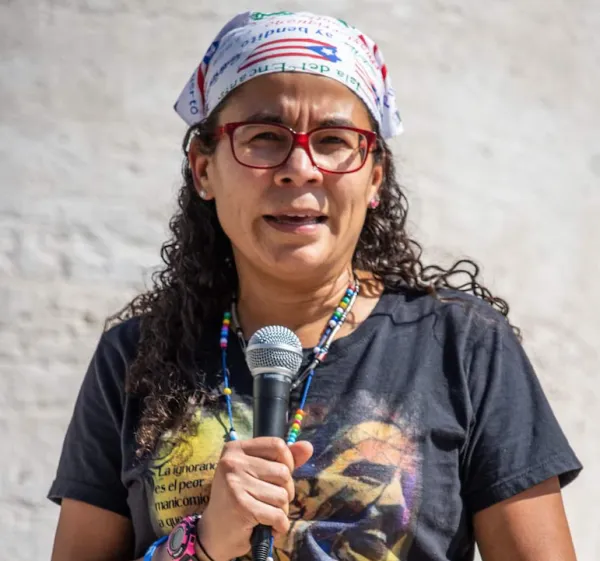
Being Puerto Rican is complicated in the capital of Ohio. My descendants come from the native islanders, the Taínos, Spain, and West Africa. Puerto Rico was originally known as El Boriquén and the natives Boricuas. Nowadays, the official language is Spanish with many words influenced by the Taínos.
The tradition is we speak in Spanish with our elders. Unlike my generation and younger we speak Spanglish among each other. Our gene pool is mixed. We are easily mistaken for people from other cultures. Our history involves colonialism, slavery, revolts and resiliency. Puerto Rico politics are complicated. It is a colony of the USA. The US Naval and Marine forces practiced missile bombing on the small islands around it. As a result, people began to suffer from cancer. Environmentalists and advocates have gone to jail by voicing their concerns demanding the demilitarization and clean up from the radioactive waste and missiles.
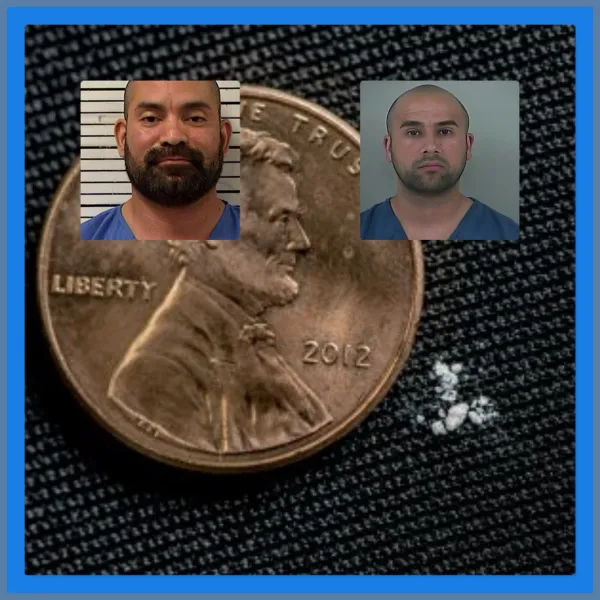
The Free Press recently spoke with several drug addicted community members near the sprawling Wedgewood Village apartment community not far from Westgate on Columbus’ west side. Within our community you can score a bag of “fenty” or illicit fentanyl for $10, they told us. Ten dollars is the price of death in Columbus and beyond.
Now comes the gut-punch revelation: the people sworn to protect us were the ones (allegedly) pumping massive amounts of illicit fentanyl into the community. Earlier this week, the FBI arrested two Columbus police narcotics officers assigned to the Division’s cartel unit – Marco Merino, 44, and John Kotchkoski, 33.
This past summer, Merino dealt roughly 7 kilograms of fentanyl into Columbus, which was first given to him by Kotchkoski – this according to U.S. Attorney’s Office in the Southern District of Ohio. Also this summer and spring, Merino is alleged to have helped deal 27 kilograms of cocaine into the community.
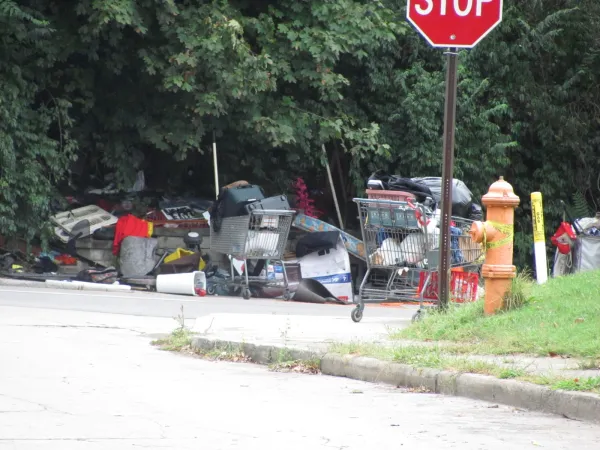
Recently I have become aware of the homeless community in Columbus. The first thing I have observed is the ecological impact. The pictures are of a homeless encampment under I-70 East bound on Central Avenue. Much of the embankment of I-70 East bound (North of Mound street) across from the old stadium has been cleared to keep the homeless out. Zumstein Drive near the Continent Shopping center is experiencing another large contingent of homelessness.
Housing issues I have seen include:
Slum lords refusing vouchers for fear of the dreaded "inspection." Meager by any standards the Section 8 or voucher inspections are so feared landlords refuse the vouchers. Attached is a copy of code complaint where it is suspected the rental agent feared a Section 8 inspection more than code enforcement. One must ask why a cash applicant is willing to accept such substandard housing. More so why isn't code enforcement bringing housing up to livable standards.
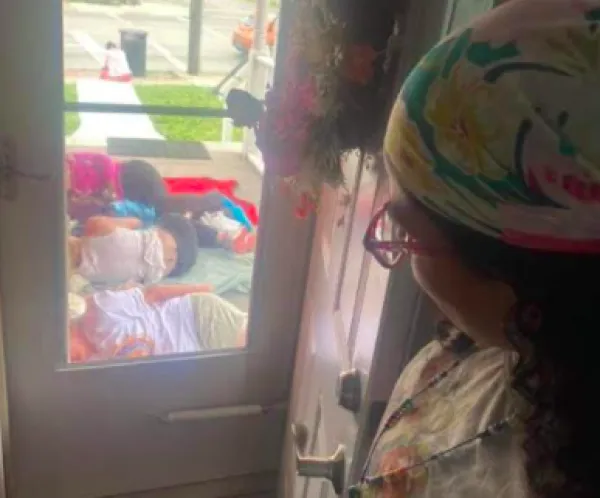

A 14-year-old former gang member of the “MBKs” or “My Brother’s Keepers,” told his story to the Free Press. He was living in the Hilltop, but now no longer lives near Mound Street because he was taken away from his mother and placed into foster care after spending a year in “juvy” or juvenile detention center. This is his story, mostly unfiltered. It is unfortunately a longtime reality of certain Columbus neighborhoods.
To be clear, the 14-year-old’s hair is fluffy light brown, his skin is milky white. He looks more Hilliard than Hilltop, but life is far more nuanced than stereotypes.
“The MBKs is mixed,” he tells us. “I was jumped in,” he adds, referring to his initiation.
“I robbed people. Downtown, the Short North,” he says. The Free Press could not independently corroborate his entire story.
He twists his hand around an imaginary handgun barrel. “With the silencer. That’s how you rob trap houses. I shot some people.” A trap house is where addicts repeatedly go for their fix.
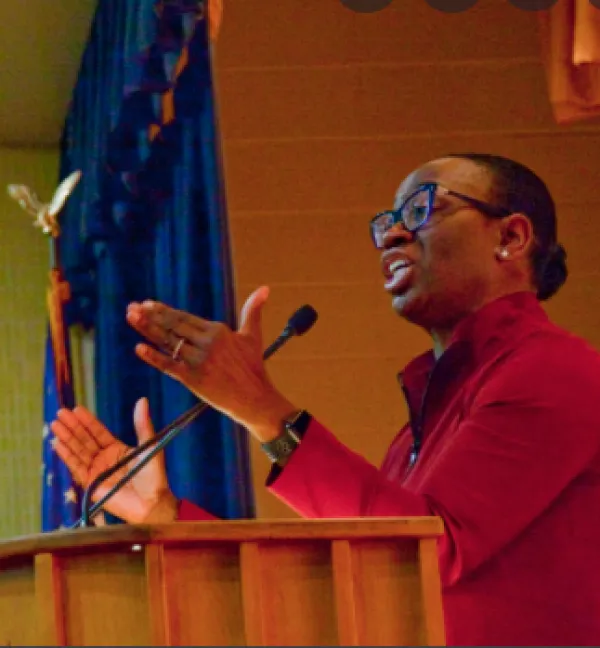
Nina Turner is very scary -- to power brokers who’ve been spending big money and political capital to keep her out of Congress. With early voting underway, tensions are spiking as the decisive Democratic primary race in northeast Ohio nears its Aug. 3 finish. The winner will be virtually assured of filling the seat in the deep-blue district left vacant by Rep. Marcia Fudge when she became President Biden’s HUD secretary. What’s at stake in the special election is whether progressives will gain a dynamic champion in the House of Representatives.
For the Democratic Party establishment, the specter of “Congresswoman Nina Turner” is alarming. The former national co-chair of the Bernie Sanders 2020 presidential campaign has a proven capacity to stir fervent energy on the left around the country. Her ability to inspire at the grassroots is far beyond what mainstream party leaders can do.
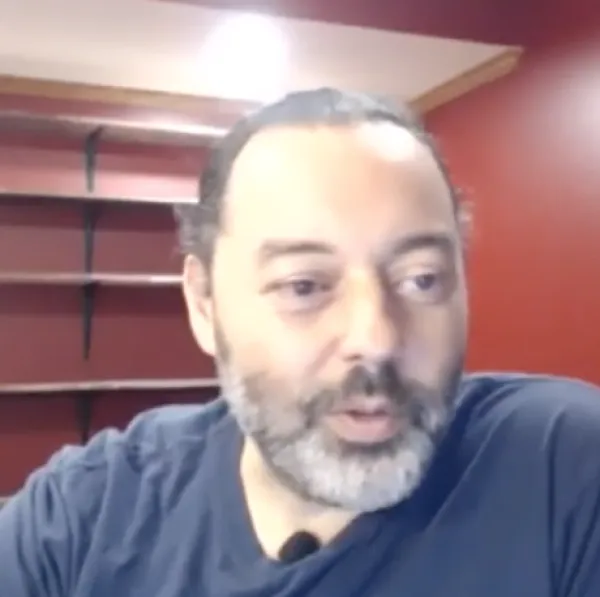
Here’s what happened at the July Free Press Second Saturday Cyber-Salon on July 10.
Cyber salon host and Free Press Board member Mark Stansbery introduced speaker Dr. Fadhel Kaboub, who spoke about Modern Monetary Theory (MMT). Fadhel is an Associate Professor of economics at Denison and President of the Global Institute for Sustainable Prosperity.
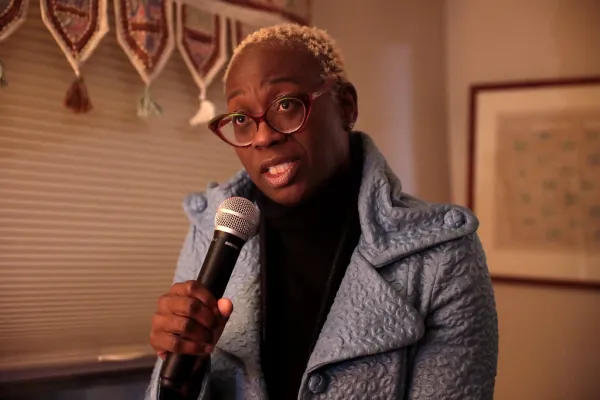
When Hillary Clinton endorsed Nina Turner’s main opponent last week, it was much more than just an attempt to boost a corporate Democrat. Clinton’s praise for candidate Shontel Brown was almost beside the point.

Taken aback by growing employee resistance and turnover, Amazon recently suffered the embarrassment of backing away from its intention to force all staff to return to the office five days a week, instead allowing them to work a hybrid schedule. Apple’s plan to force its staff back to the office has caused substantial internal opposition and churn.