
The Free Press is bringing back a Reviews section after some absence. We hope to review plenty of events around town. Check back frequently and if what\'s going on is any good.
Arts & Culture
Image
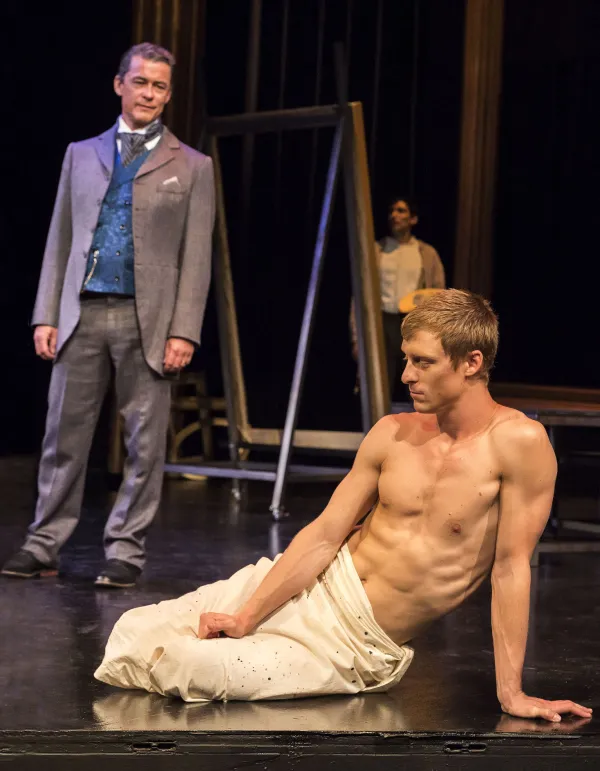
Director Michael Michetti’s adaptation of Oscar Wilde’s 1890 Gothic novella The Picture of Dorian Gray - about the costs of eternal youth and beauty - is a highly stylized, exceedingly strange play. Large swathes of Picture border on avant-garde theatre, especially in Act II. The sinister plot and its presentation are likely to make some theatergoers uncomfortable (leave the kiddies at home for this one!) and to enthrall others as a most apropos choice for the Halloween season.
Image
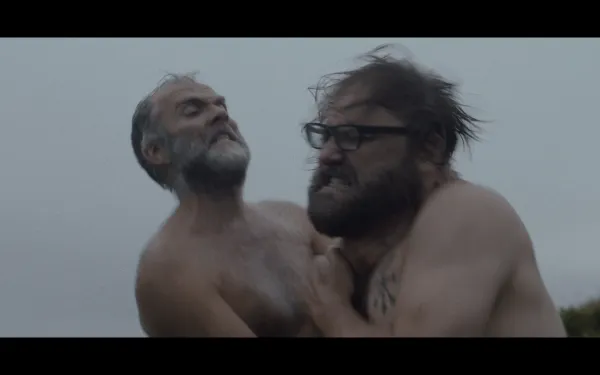
Horror movies are a genre I usually avoid because they’re often too scary for me and give me nightmares. However, Spell’s spellbinding Scandinavian cinematography, shot on location in Iceland, plus good, quirky performances make the well-made feature-length debut of co-writer/director Brendan Walter worth seeing. Benny (Barak Hardley, who has a screenwriting co-credit) is an American cartoonist suffering from Obsessive Compulsive Disorder (if you don’t know what OCD is, see “Trump: Lying”). After the apparently drug-related death of his addict live-in lover Jess (Jackie Tohn), the addled Benny impulsively takes off on what seems like a spur of the moment trip to - where else? - Iceland.
Image

I stumbled upon Moroni for President purely by chance and boy, am I glad that I did. It just so happened to fit into my schedule covering the LA Film Festival so I popped into the ArcLight Theatre, not knowing what I’d see. Based on its name, I thought it might be a satire based on Trump about a moron running for the White House. But to paraphrase an old saying, don’t judge a film by its title. It turned out that Finnish filmmaker Saila Huusko and Dutch co-director Jaspen Rischen’s directorial debut was actually a documentary about someone named Moroni Benally, who indeed was actually running for president.
Image
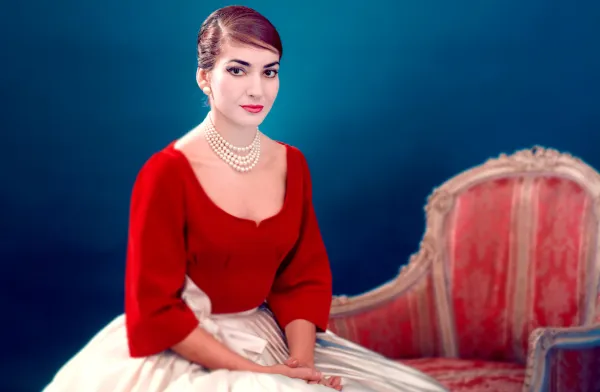
As an opera reviewer who doesn’t know much about the legendary Maria Callas I greatly enjoyed Tom Volf’s extremely informative documentary Maria By Callas. The film consists entirely of archival footage, clips of the soprano on TV talk shows and in the news, performance/concert vignettes, home movies and sound recordings. I don’t believe there’s a single solitary shot of original material per se by Volf but he has done a masterful job assembling this compilation film that is worthy of the genre’s creator, Soviet director/editor Esther Shub.
(For some reason, from time to time some of the footage is glimpsed as if we are looking at the frame of a motion picture - which may want us to reflect on the fact that we are watching films of Callas? Who knows?)
Image
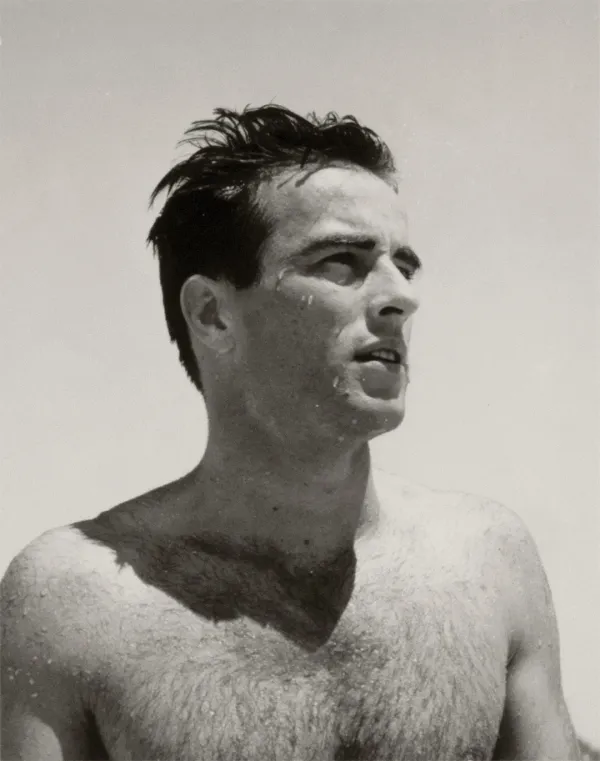
Making Montgomery Clift - the four time Oscar nominee for classics such as 1953’s From Here to Eternity - is one of the most singular nonfiction films this movie historian has ever seen. Like many others it is a biopic, but one with a unique take on its reputedly “troubled” subject, who was as renowned for his beauty as for his prodigious talent. Co-directed/co-produced by the actor’s nephew Robert Clift with his wife Hillary Demmon, much of Making is a celluloid refutation of the reputation and version of Clift that has emerged from countless tabloid stories and, in particular, from two tell-all books.
I don’t remember ever seeing a feature-length documentary quite like this intensely personal picture about a film icon made by a relative in order to rehabilitate that artist’s stature. To further compound matters, Robert is a Ph.D. and professor of Film and Media Studies at the University of Pittsburgh, who has a filmmaking background and wrote Making. His mother, Eleanor Clift, is a journalist who news junkies may remember as the sole female voice on PBS’ The McLaughlin Group, battling it out with Pat Buchanan and other mostly male media hounds for airtime.
Image
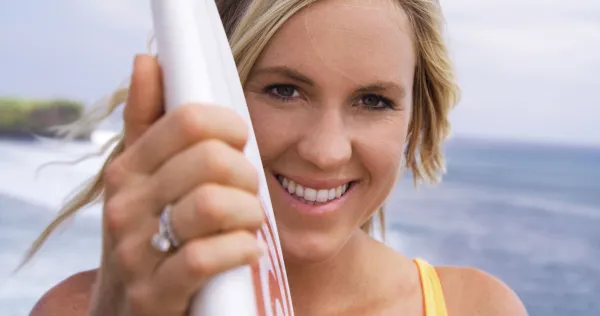
Broadway has the musical Hamilton and surfing has Bethany Hamilton. Aaron Lieber’s exquisitely shot Unstoppable is the second feature-length film about the 13-year-old Kauai girl whose arm was bit off by a tiger shark in 2003 while she was wave riding. Bethany was portrayed by AnnaSophia Robb in 2011’s Soul Surfer, co-starring Helen Hunt and Dennis Quaid as her parents and Branscombe Richmond as coach Ben Aipa. (According to Jenni Gold, director of the new documentary about the screen image of disabled people Cinemability, The Art of Inclusion, to be released on VOD Oct. 5, her interview with Hamilton “is on the DVD’s bonus features.”)
Image
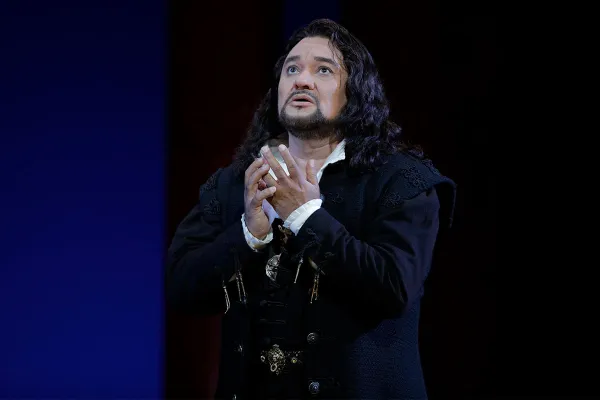
LA Opera and the Grand Inquisitor are back on Grand Avenue, kicking off the 2018/19 season with a spectacular production of Giuseppe Verdi’s Don Carlo. This extravaganza is set during the 16th century court of King Philip II of Spain (Italian Ferruccio Furlanetto through Sept. 29, alternating with Russian Alexander Vinogradov Oct. 4-14), when Madrid was the world’s reigning superpower. Not only did the Spanish crown rule much of the “New World,” but parts of Europe, particularly the Low Countries.
Of course, conquest, colonialism and occupation often require brutal militarism, and Philip’s own son, the titular Don Carlo (Mexican Ramon Vargas) beseeches his father to end the vicious suppression of Spanish forces at Flanders (no, not Homer Simpson’s animated neighbor Ned, but the Dutch-speaking northern portion of Belgium). The Spanish Crown Prince’s anti-cruelty quest is backed by his true blue pal Rodrigo, Marquis of Posa (legendary Plácido Domingo, singing here as a baritone), and the “two amigos” sing a stellar duet affirming the bonds of their friendship.
Watching it in IMAX I enjoyed much of The House with a Clock in Its Walls based on John Bellairs’ 1973 fantasy novel, although seeing and listening to it did give me a slight headache. Starring Jack Black as the warlock Jonathan Barnavelt and Cate Blanchett as his bewitching gal pal Florence Zimmerman, this 104-minute, special FX-powered big screen extravaganza full of spooky (and sometimes gross - I could have lived without the scatological sight gags tastelessly pandering to immature viewers) visuals and a plotline dealing with death, Walls seem more for young adults than children per se.
Image
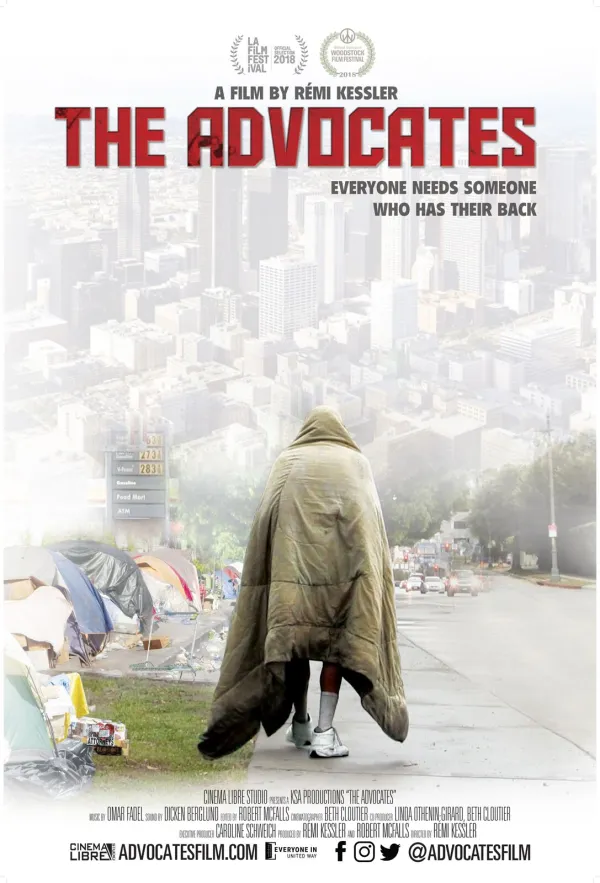
French director Rémi Kessler’s heartwarming documentary The Advocates takes an insider look at a compelling crisis that seems to be mushrooming across Los Angeles far beyond the confines of Skid Row: Homelessness. The 86 minute nonfiction film focuses in on a trio of L.A. organizers for whom the political is personal, as they work primarily for private organizations to assist the ever-expanding number of people living on the street. Sometimes there is public-private cooperation and people like these three activists are derisively referred to as “do-gooders.”
Image
French director Rémi Kessler’s heartwarming documentary The Advocates takes an insider look at a compelling crisis that seems to be mushrooming across Los Angeles far beyond the confines of Skid Row: Homelessness. The 86 minute nonfiction film focuses in on a trio of L.A. organizers for whom the political is personal, as they work primarily for private organizations to assist the ever-expanding number of people living on the street. Sometimes there is public-private cooperation and people like these three activists are derisively referred to as “do-gooders.”