
The Free Press is bringing back a Reviews section after some absence. We hope to review plenty of events around town. Check back frequently and if what\'s going on is any good.
Arts & Culture
Image
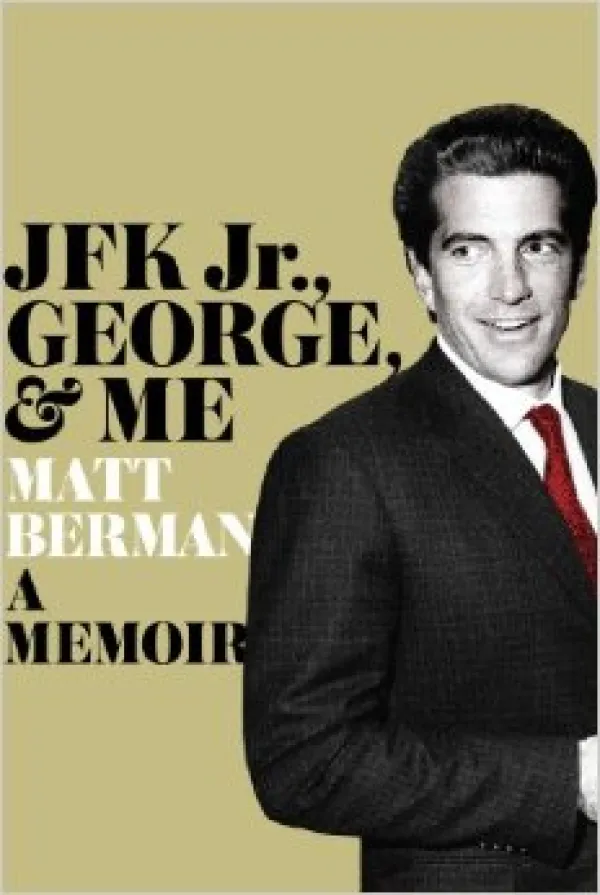
JFK Jr., George, & Me: A Memoir by Matt Berman
It is somewhat difficult to believe that John F. Kennedy, Jr. has been dead for fifteen years. Known as John-John, America’s son, the Sexiest Man Alive, the Prince of Camelot–he had almost as many nicknames as the late soul singer, James Brown–he was killed, along with his wife Carolyn Bessette and her sister, Lauren Bessette, in a plane crash on his way to his cousin Rory’s wedding In Hyannisport, the summer stomping ground of generations of Kennedys. The plan was to drop his sister-in-law off on Martha’s Vineyard, but something went horribly wrong. The crash occurred fewer than ten miles from the Gay Head beaches where his late mother had owned a summer estate. Kennedy was only thirty-eight years old.
Image
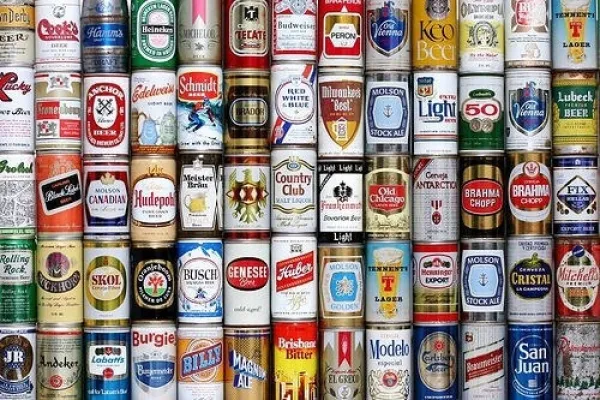
The craft-brewing wave sweeping the US makes drinking beer more fun than ever. Maryland’s Flying Dog Brewery brews a beer from oysters, and the Delaware-based Dogfish Head uses an ancient beer recipe they dug up from 2,700-year-old drinking vessels in the tomb of King Midas.
But as this trend spreads, there is another revolution going on that’s concentrating most of the world’s beer into the hands of a few mega-corporations. These so-called kings of beer are riding the wave of craft brewing enthusiasm, buying up smaller breweries, and duping customers along the way.
“If you want to listen to Milli Vanilli, I suppose that’s a choice you get to make. Just know that you’re making that choice,” is how Greg Koch of Stone Brewing Company puts it.
Take Blue Point, Long Island’s first micro-brewery. A couple of home brewers started the company ten years ago, but this year, Anheuser-Busch InBev (which has brewery in Columbus) bought Blue Point for $24 million. John Hall, the founder of Chicago’s Goose Island brewery, told a reporter in 2013, “Goose Island is a craft beer, period.” Yet it was sold to AB InBev in 2011.
Image

Here in Virginia, U.S.A., I'm aware that the native people were murdered, driven out, and moved westward. But my personal connection to that crime is weak, and frankly I'm too busy trying to rein in my government's current abuses to focus on the distant past. Pocahontas is a cartoon, the Redskins a football team, and remaining Native Americans almost invisible. Protests of the European occupation of Virginia are virtually unheard of.
Image
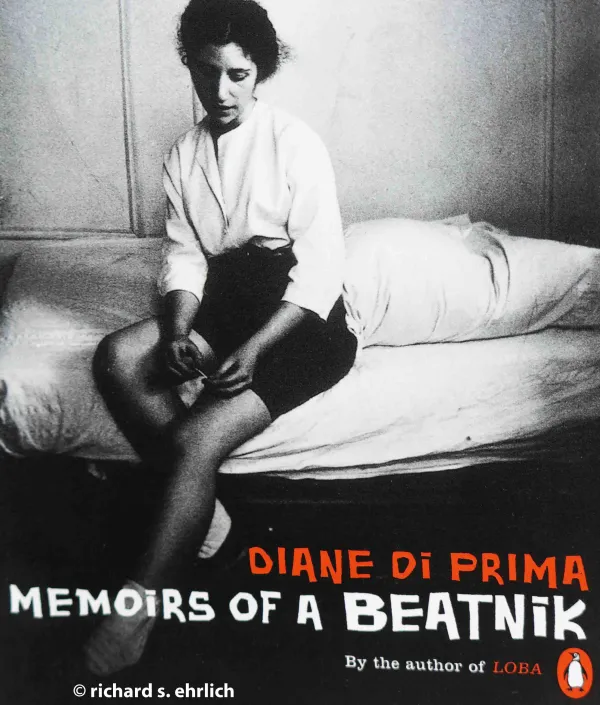
All the original "starving hysterical naked" beatniks, cool cats, flower children, hippies and freaks are now advancing into their senior years or dead.
But their innocence and experience -- and complex experiments with words and ideals, and celebration of life -- is still available here across hilly and chilly San Francisco.
Guide books and maps will help, but you don't really need those to discover the remains of "the scene" if you keep your eyes open while wandering the city.
In the sanitized, unaware 1950s when it all began, America lacked what later became known as a mass "youth culture," which quickly branched into a deeper "counterculture."
In January 1967, the social changes engulfed San Francisco's Golden Gate Park at "The Human Be-In, A Gathering of the Tribes."
There, an invisible baton passed from revered beatnik poet Allen Ginsberg to the hippies' ex-Harvard psychedelic psychologist Dr. Timothy Leary.
Today, on nearby Haight Street, you can buy a copy of the luminescent poster of that beatific event which soon spawned a "Summer of Love."
Image
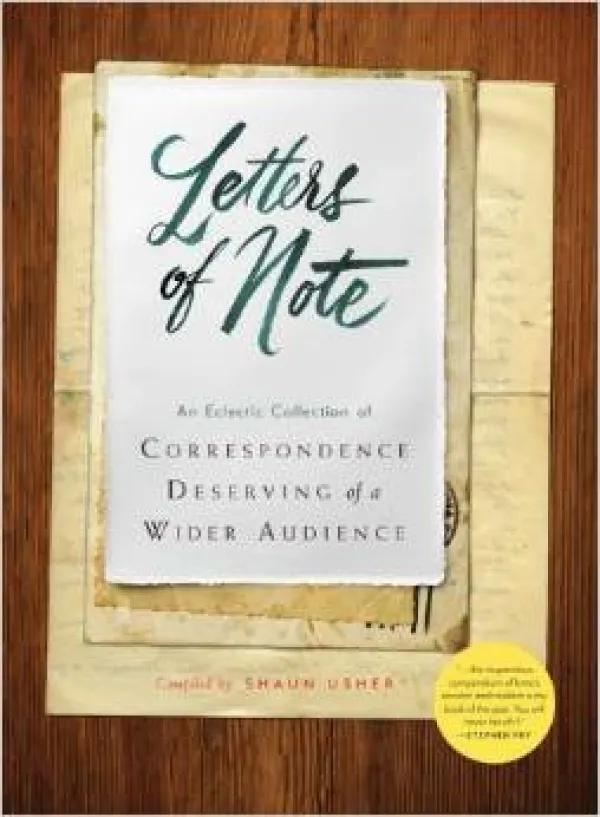
My fiancé died more than twelve years ago and of all the things he left me, it is a box of love letters–and poems, cartoons, and crossword puzzles–I cherish most. They run the gamut of emotions: heartfelt, whimsical, poignant, hilarious, romantic, and are a tangible testament to our very special relationship. Even with a wonderful new man in my life, I will cherish them always.
Likewise when Jean died, it was the act of hand writing all those thank you cards that set me on the long, long road to healing from my unexpected loss. The funeral home provided pre-printed thank you notes, but the act of sitting down and putting pen to mourning paper–a difficult find in the age of instant communication!–to individually thank all the people who were so kind to me after his death gave me something on which to focus. It also allowed me to share with his friends and colleagues the personal connections he had developed with them and to acknowledge that they, too, were grieving his loss.
Image
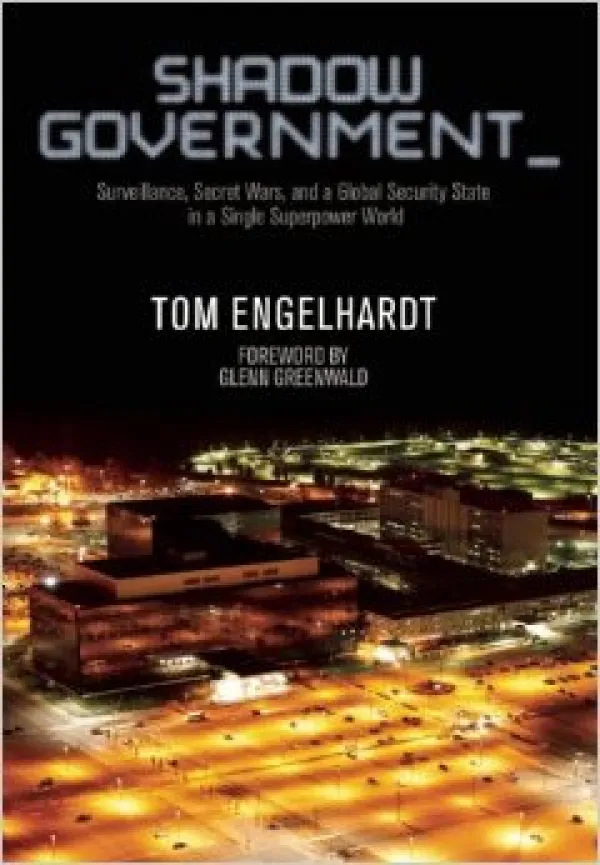
Tom Engelhardt keeps churning out great books by collecting his posts from TomDispatch.com. His latest book, Shadow Government, is essential reading. Of the ten essays included, eight are on basically the same topic, resulting in some repetition and even some contradiction. But when things that need repeating are repeated this well, one mostly wants other people to read them -- or perhaps to have them involuntarily spoken aloud by everybody's iPhones.
We live in an age in which the most important facts are not seriously disputed and also not seriously known or responded to.
Image
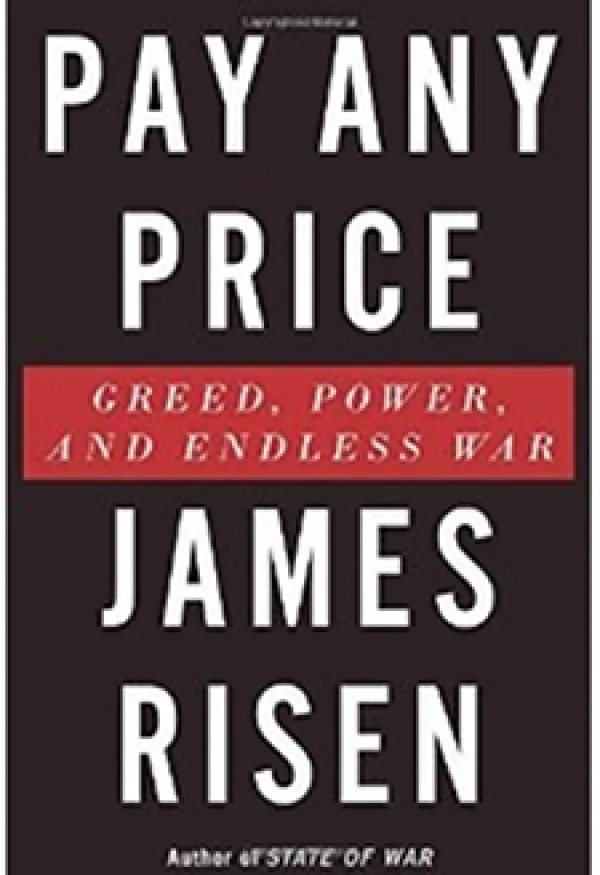
No single review or interview can do justice to “Pay Any Price” -- the new book by James Risen that is the antithesis of what routinely passes for journalism about the “war on terror.” Instead of evasive tunnel vision, the book offers big-picture acuity: focusing on realities that are pervasive and vastly destructive.Published this week, “Pay Any Price” throws down an urgent gauntlet. We should pick it up. After 13 years of militarized zealotry and fear-mongering in the name of fighting terrorism, the book -- subtitled “Greed, Power, and Endless War” -- zeros in on immense horrors being perpetrated in the name of national security.
As an investigative reporter for the New York Times, Risen has been battling dominant power structures for a long time. His new book is an instant landmark in the best of post-9/11 journalism. It’s also a wise response to repressive moves against him by the Bush and Obama administrations.
How to Slowly Kill Yourself and Others in America By Kiese Laymon
Many fine authors hail from the South, that most distinctive region in the country. It seems that southerners have voices and story telling skills like no others in America. Kiese Laymon, a son of the south, joins the long line of southerners who have dazzled us with their literary skills.
How to Slowly Kill Yourself and Others in America isn’t a book about suicide per se; it’s a collection of searing essays about the daily, slow death and dying marginalized people go through as they come to grips with the harshness and hopelessness of their lives.
Dog Whistle Politics: How Coded Racial Appeals Have Reinvented Racism & Wrecked the Middle Class By Ian Haney Lopez
Review by Marilyn Howard
Election night 2008 was a heady mixture of triumph, hope, disbelief and pride. A black man had been elected to the presidency of the United States of America! (In the interest of full disclosure, I have to be honest and admit I never thought I would live to see the day.) Who can forget the sight of Oprah Winfrey laying her head on the shoulders of a total stranger, or the tears being shed by the old civil rights warrior Jesse Jackson? That the eve of his first inauguration fell on Martin Luther King, Jr. Day merely added to the belief that many Americans thought we had finally banished that old bugaboo, racism, and stepped into a post-racial America. They were as wrong as two left shoes. America has never been in a post-racial society; racism had merely been swept under the carpet.
The Kennedy Half Century: The Presidency, Assassination, and Lasting Legacy of John F. Kennedy
by Larry J. Sabato
Unless you have been living in a cave or missed the surfeit of books that were published, you know that last November 22 was the fiftieth anniversary of the assassination of President John F. Kennedy. Even the most diehard Kennedy acolyte must wonder if there is anything new left to say about the president or his family; at least two generations of Americans have no living memory of him or his short administration. Yet fifty years later JFK still has a tremendous hold on the American psyche, and each anniversary of his murder finds scholars and pundits puzzling over how and why this president, who only served for one thousand days, still captures our imaginations so.