Global
Hey, want to read a poem with me? Warning: It opens several disturbing doors, the least disturbing of which is the “crazy old coot” part, i.e., me. Once you start getting lost in the paradoxes of life, you need to watch out. They could start coming after you.
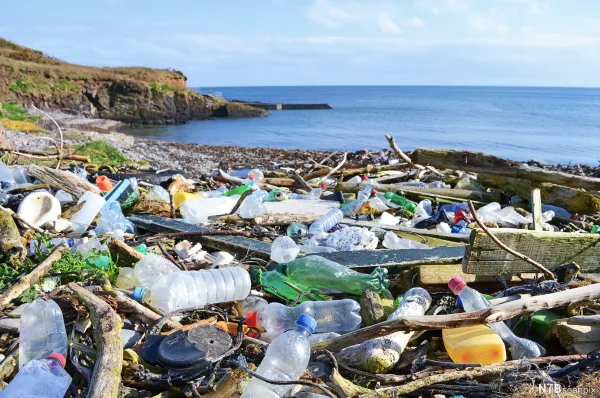
But more disturbing is the paradox itself, which is both environmental and spiritual. And it’s right there on my front lawn. The life I’ve been given — the lives we’ve been given — are partially disposable, apparently. Mostly I took this for granted, but suddenly one summer afternoon, as I was pushing my hand mower up and down the lawn, something shifted in me. I started feeling . . . reverence for garbage? Tossing out the trash is something you’re just supposed to do, no questions asked, at least if you want to live a normal, respected life. Doubting this could be a tad problematic.
The poem is called “Buddha’s Lawn.” I wrote it a decade ago. Back when I still had a lawn to mow.
I mow the lawn and feel gratitude
my neighbors
haven’t pigeonholed me as a crazy old coot.
I’m stalled in my transition
from a lifestyle and sense of order based on


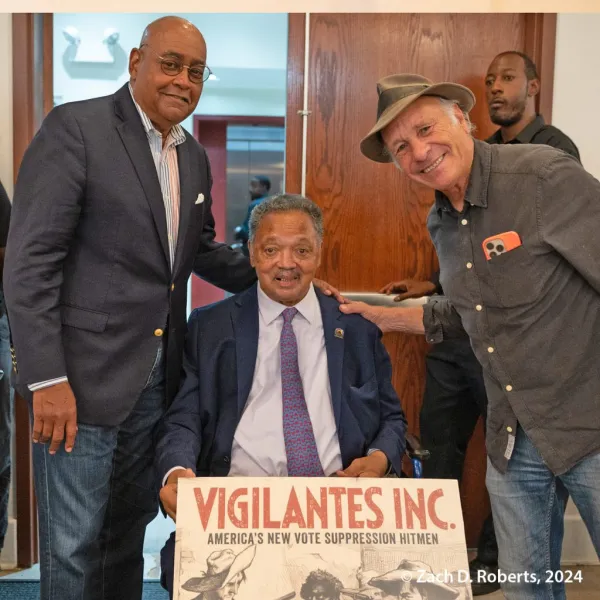
For 50 years, we fought side-by-side and sometimes fought face-to-face. He’s the only man, other than my dad, I’ve ever kissed, a year ago. When I kissed him goodbye he was holding our Vigilantes film poster in his wheelchair.
Two Old Guys and a Bridge: A call from Selma
This is something I wrote after receiving a call from Jesse Jackson in the run up to the 58th anniversary of Bloody Sunday on March 5, 2023.
I got a call this morning from Selma, Alabama. It was the Reverend.
Two old guys with our old-guy ailments and decades to reminisce about.
But Reverend Jesse Jackson doesn’t waste time on nostalgia. Before he went off to a prayer meeting with President Biden, he was pushing me, in the few words at a time his Parkinson’s allows, to get my film, The Best Democracy Money Can Buy, back out in public.

Trump's DOE apparently unable to function
The Department of Energy's Office of Clean Energy has lost the staff required to properly oversee about $27 billion in funded energy projects, according to a new assessment from the Government Accountability Office (GAO)
The loss of capacity is due to the Trump administration's deep cuts to the agency's federal workforce. The Office of Clean Energy lost more than 80 percent of its staff in 2025, including every person hired to independently assess and monitor the costs of big, government-funded projects.
Over the course of the last year, the agency canceled about 35 of the projects, or about a third of all funded developments. However, the GAO found that the agency still has not actually pulled the funding for any of those projects. It remains unclear what happens to the unspent money.
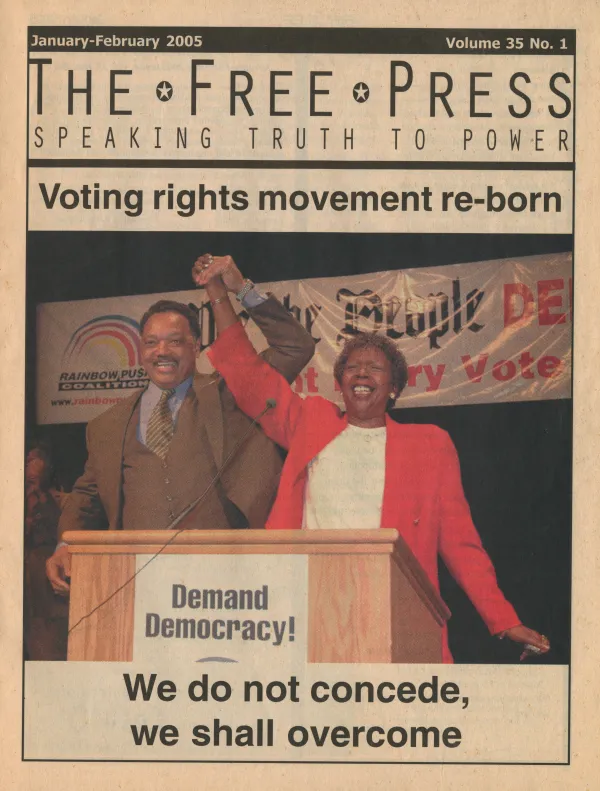
The Reverend Jesse Jackson arranged a conference call with me, his staff and others in Columbus right after the 2004 presidential election. The Free Press had reported on the suspicious election results giving George W. Bush a narrow victory in Ohio.
That phone call, including Mayor Michael Coleman and other community leaders, led to Jackson’s visit to our city and my relationship with him as we fought to tell the truth about the stolen election.
As reported in the November 2004 Free Press, “Preaching to a packed, wildly cheering central Ohio citizen congregation, Rev. Jesse Jackson blasted the presidential election back into the national headlines Sunday. Jackson said new findings cast serious doubt on the idea that George W. Bush beat John Kerry in Ohio November 2. A GOP ‘pattern of intentionality’ was behind a suspect outcome, he said. At stake is ‘the integrity of the vote’ for which ‘too many have died.’ ‘We can live with losing an election,’ he said. ‘We cannot live with fraud and stealing.’”
For decades, if you moved inside the corridors of American Jewish leadership, one name surfaced again and again.
On fellowship diplomas.
On donor walls.
On the resumes of rabbis, federation executives, nonprofit leaders, and Israeli public officials.
Wexner.
Inside institutional Jewish life, the name carried weight. It signaled seriousness. Investment. A belief that Jewish leadership deserved real resources.¹
Outside those corridors, the name may mean almost nothing.
And that difference matters.
Because proximity functions differently depending on where you stand.
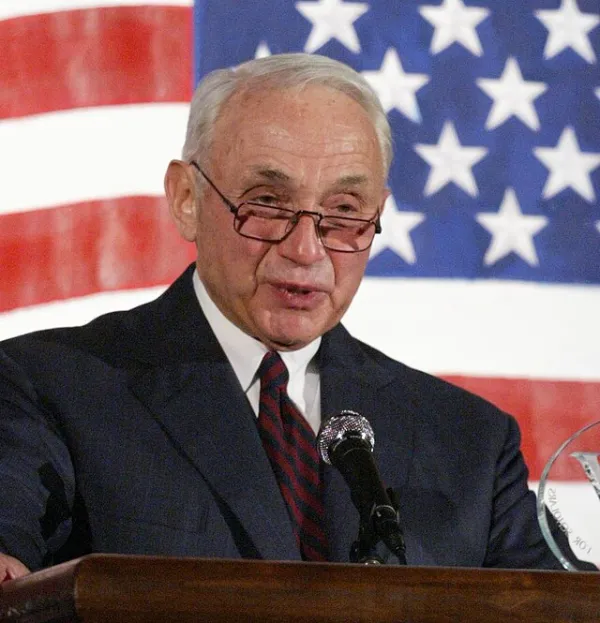
For the unaware, Leslie Wexner is the founder of L Brands, the retail empire behind companies such as The Limited and Victoria’s Secret, and for decades one of the most influential and well-funded architects of Jewish leadership development in North America.
He is scheduled to testify before the House Oversight Committee on February 18, a development that places renewed public scrutiny on his relationship with Jeffrey Epstein.
I. The Relationship
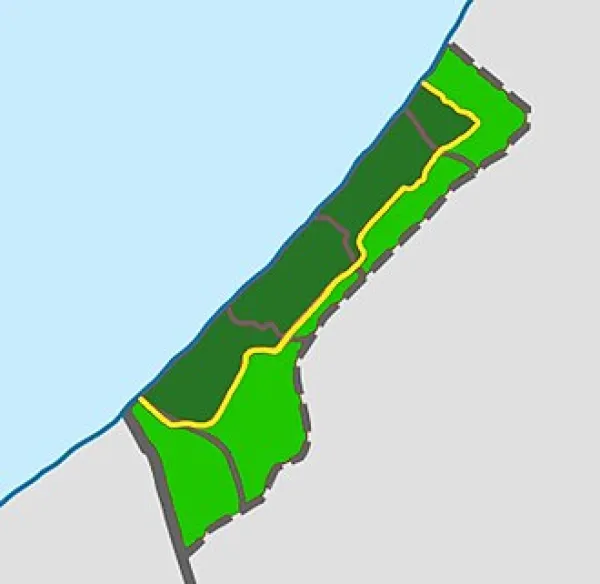
President Trump saying his Gaza peace plan will end the war between Israel and Hamas and launch a new era of peace in the Middle East is pure poppycock. Four months into the ceasefire, progress on implementing the 20-point plan appears to be stalling.
According to two NPR correspondents from Gaza, the ceasefire plan is not going according to plan.
* No increase in humanitarian aid.
* No education system is not in place.
* People are left without income.
* Freedom of travel is restricted.
* 20,000 injured Palestinians who are at risk of losing their lives if they were not evacuated for medical treatment abroad.
Instead of condemning the frequent Israeli violations of his "fake ceasefire plan," President Trump is more focused on covering his rear end with the daily revelation of the Epstein files, and sending ICE thugs into neighborhoods, heavily armed, looking almost indistinguishable from scenes of US soldiers abroad such as in Iraq, Afghanistan, and Venezuela where they can use violence overseas "In Defense of Empire."