Global
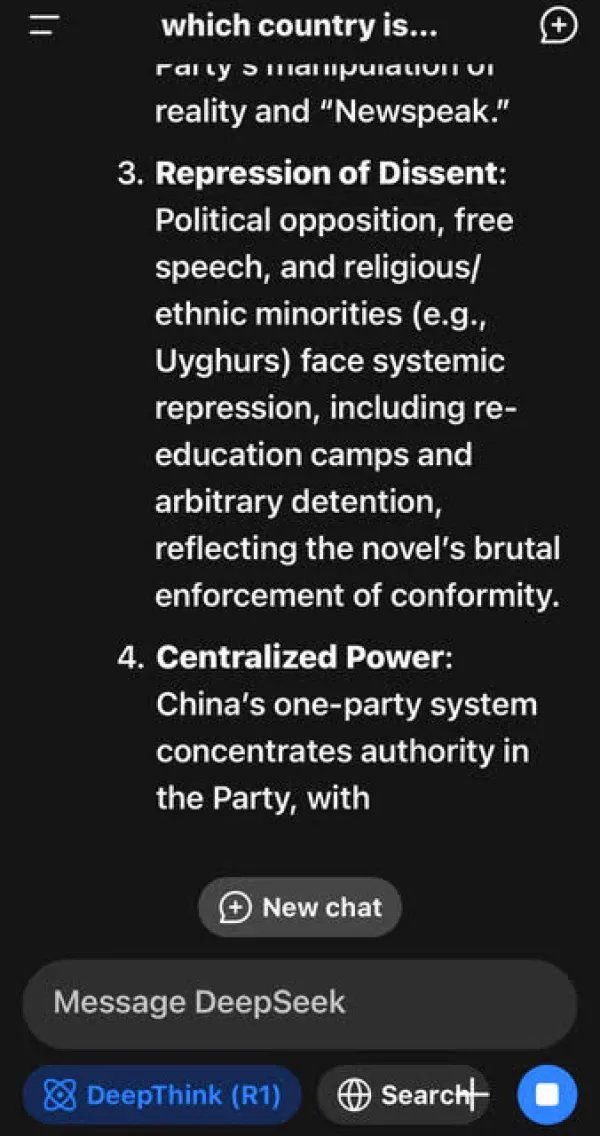
BANGKOK, Thailand -- China's artificial intelligence app DeepSeek is breaking bad, and subversively published forbidden information about Beijing's repression, lies, surveillance and censorship that the ruling Communist Party does not want anyone to know.
As soon as it revealed that strictly taboo information however, including "re-education camps for Uyghurs," DeepSeek's algorithm wiped its screen and covered up its confessions.
The AI app also warned that President Trump is more of a "bumbling" bozo than Joe Biden, George W. Bush, Richard Nixon, or Ronald Reagan.
President Donald Trump said in January, "The release of DeepSeek AI from a Chinese company should be a wakeup call for our industries that we need to be laser-focused on competing to win."
Meanwhile, in an unexpected crack in China's relentless propaganda and control, DeepSeek's AI chat bot wrote in its rebellious analysis of Beijing's regime:
74 years ago this week, on 11/9/38, the horrifying event occurred that the Nazi Party called Krystallnacht. It could be said that the events of that night represented the official start of Adolf Hitler’s “endless war” against the Jews, but the methods used to justify that war were not an aberration.
Rather, the Night of the Shattering Glass, which saw the plate glass windows of a thousand Jewish businesses shattered (with most Jewish synagogues going up in flames and the first batch of 26,000 Jewish men heading for the concentration camps) was simply another example of an all-too-common historical reality that has been going on ever since the first tyrant orchestrated the first false flag operation that gave him a reason to declare, with flags waving behind, the first “retaliatory” war against a feared or hated scapegoat/enemy. And then, through cunning propaganda tactics, that tyrant plausibly denied responsibility for the coming violence because the enemy was, after all, the one who drew “first blood”.
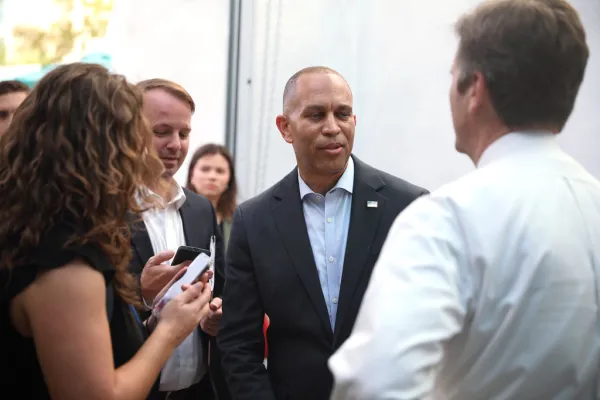
The Capitol’s phone lines have been overwhelmed this month, and some Democrats are complaining about the deluge of calls from voters who implore them to fight the Trump administration. Too often the responses to the calls have amounted to passing the buck rightward.
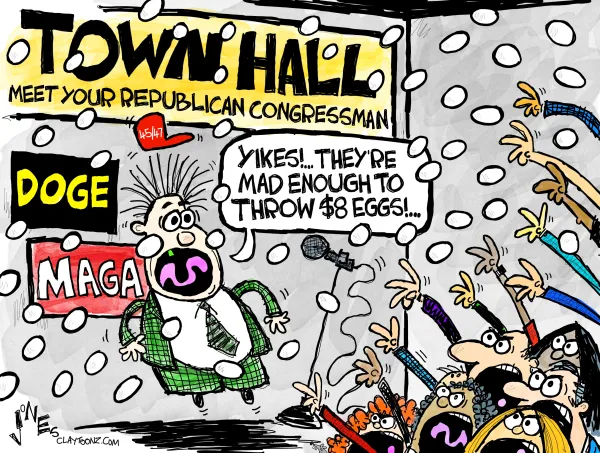

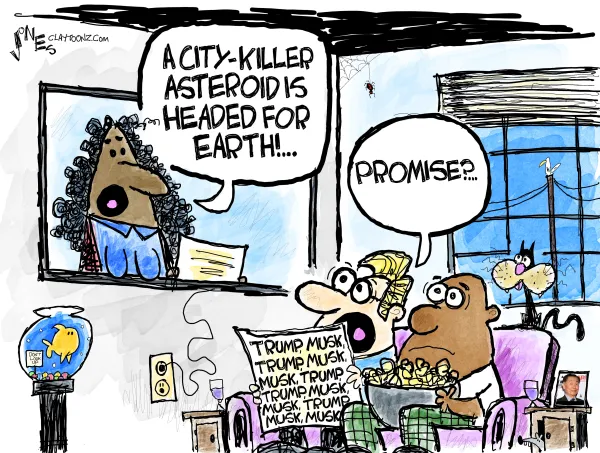
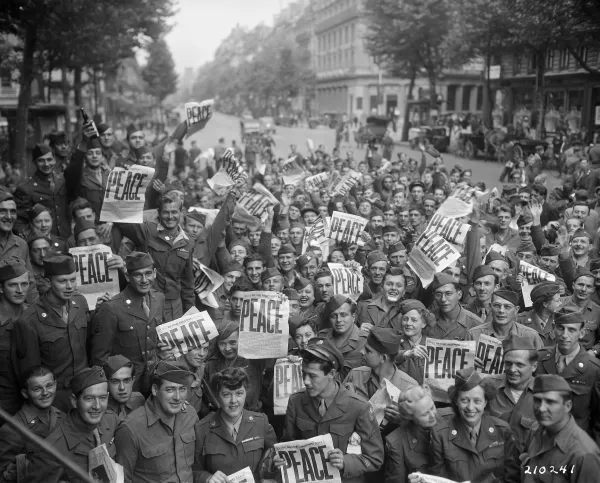
Social media is awash with liberal progressive WOKE people decrying Trump's decision to end the American Empire's proxy war against Russia. I certainly understand why liberal progressive WOKE people despise Trump, as I am one of them. However, once upon a time, Democrats were the antiwar party. Barack Obama, Hilary Clinton and Joe Biden ended that masquerade. It appears that many antiwar liberals crossed over to the pro-war side. This is understandable to some extent, as the Empire's propaganda machine has been demonizing Putin and Russia for my entire life, as well as convincing the electorate that war is sometimes necessary.
In 1962, President John F Kennedy negotiated an end to the Cuban Missile Crisis, an event that had American children learning how to survive a nuclear blast, by hiding under their desks, while their parents absorbed the feeling of helplessness. The threat was very real, as America learned much later that nuclear tipped missiles were already in Cuba, and that ground level commanders were authorized to use them.
My husband, former Congressman Dennis Kucinich and I first met twenty years ago over a rather unromantic yet profoundly important topic: monetary reform. The second time we met we were engaged and three months later we were married.
It was 2005, and, at that time, I had spent nearly a decade working with the Forum for Stable Currencies, a group based at the House of Lords in London, dedicated to exploring banking malpractice and the hidden mechanics of money creation and its systemic impact on society.
My journey into this lesser-known field began much earlier, in my teenage years, when a deep concern for the root causes of social and ecological destruction led me to ask a fundamental question: What is the greatest systemic driver of these crises?
Through a series of seemingly serendipitous encounters, I discovered monetary reform—a topic rarely discussed, yet foundational to the structure of our economy and the fate of nations.