
Global

The ongoing destruction of the government by the government goes unnoticed by some whose priority is the destruction of immigrant families. The government’s other priority is making sure, by defunding pregnancy counseling, that teens are chaste till marriage, which should occur immediately. Of course it’s also important to cut people off food stamps so they’ll get a third job. So little time! Busy giving public land away to data centers to make money stealing water. Have pity on the poor tech bro!
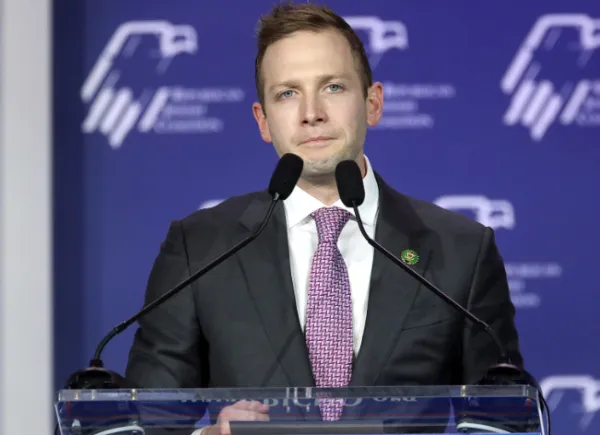
As the political landscape heats up across Ohio and nationwide, establishment pundits love to talk in terms of millions of dollars, media markets, and strategic campaign leverage. In a recent analysis regarding potential shifts in the U.S. House, political observers noted that unless a challenger can attract significant funding—some estimating upwards of $2 million for heavy advertising—any talk of flipping certain seats amounts to little more than "lip exercises." Yet while consultants obsess over fundraising thresholds and television ad buys, a much deeper moral and institutional failure continues to plague our political system. We must look past the superficial metrics of campaigns and examine the glaring double standards maintained by the Republican Party across every level of government. Let us be entirely clear about where priorities lie.
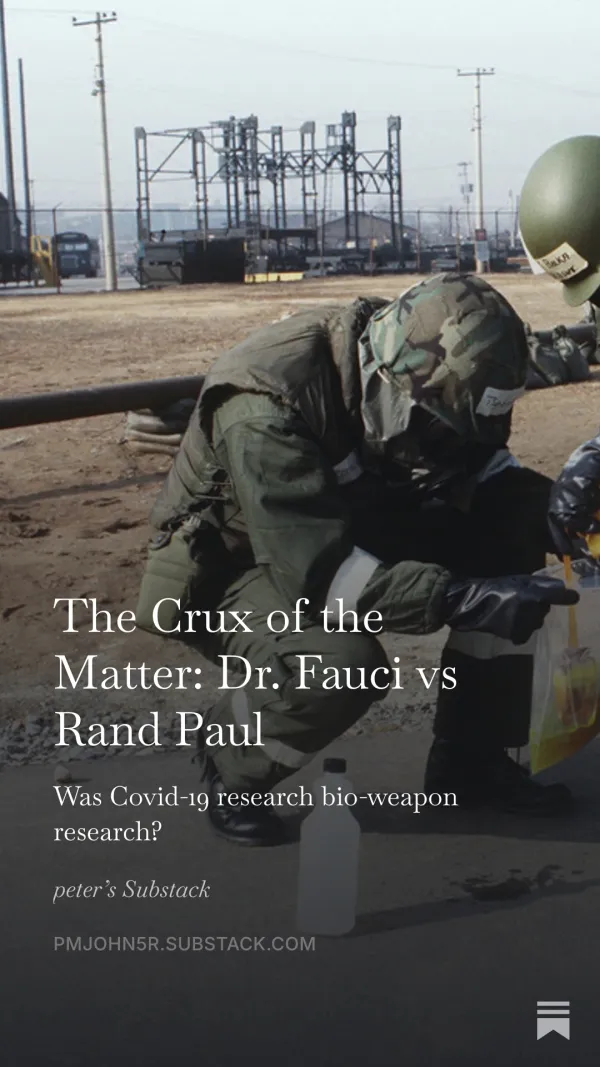
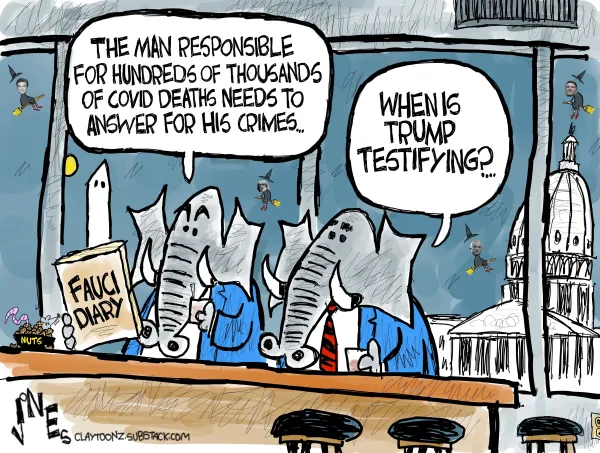
Congressman Rand Paul brought Dr. Fauci to testify before Congress, in which Dr. Fauci responding by taking the 5th amendment over 100 times. Social media erupted with those supporting Dr. Fauci vs his critics.
On social media, Fauci's congressional testimony reignited many of the same criticisms that had circulated throughout the pandemic. Among his critics, three issues dominated the discussion:
His continued defense of the view that COVID-19 most likely originated in the Wuhan seafood market rather than from a laboratory accident at the Wuhan Institute of Virology. Currently both the FBI and CIA acknowledge that the lab leak is more likely.
His unwavering support for broad vaccination campaigns and masking policies. Critics argued that these recommendations were presented with too much certainty despite evolving scientific evidence and changing public health guidance.

The words 'killed', 'injured', 'maimed', and the like often lose a great part of their meaning when they are repeated so relentlessly.
Take, for example, a headline like: "13 Palestinians Killed in Gaza, Others Wounded." Though many of us can still feel a deep sense of sadness over such a tragedy, the news itself becomes less shocking over time.
According to figures produced by the Palestinian Ministry of Health in Gaza, Israel has killed and wounded a total of over 250,000 Palestinians since the start of the genocide in 2023.
The tally is updated daily because the killing never stops.
On July 23, six Palestinians were killed in Gaza. A day earlier, 13 were killed, and the day before that, nine others were killed, and so on.
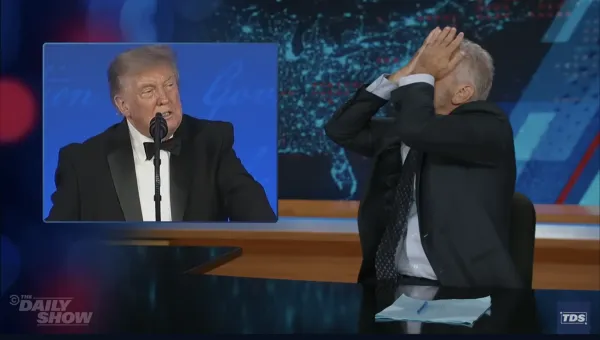
I watched the late night yucksters like Jon Stewart and Seth Meyers get a bunch of cheap guffaws out of Trump’s supposedly inept attempt at comedy at the White House Correspondents’ Dinner. But Trump’s performance was at a level that took him a step above comic geniuses, beyond even Andy Kaufman and Lenny Bruce.
Throughout the evening, President Donald Trump mangled one lame-ass joke after another. The audience of not-too-clever journalists didn’t get it, while Trump was enjoying every minute of it, holding them captive, as he assaulted them with deliberately unfunny jokes he pretended he hadn’t seen before. The performance was dragged out with what-the-hell-is-he-talking-about bitching and complaining.
Every time a joke face-planted, he would comment on it, “Who the hell wrote this?…Is this funny? … Who the hell would think this is funny?,” even pretending he doesn’t get his own punch lines.
This is known as a meta-performance, the highest level of conceptual humor.
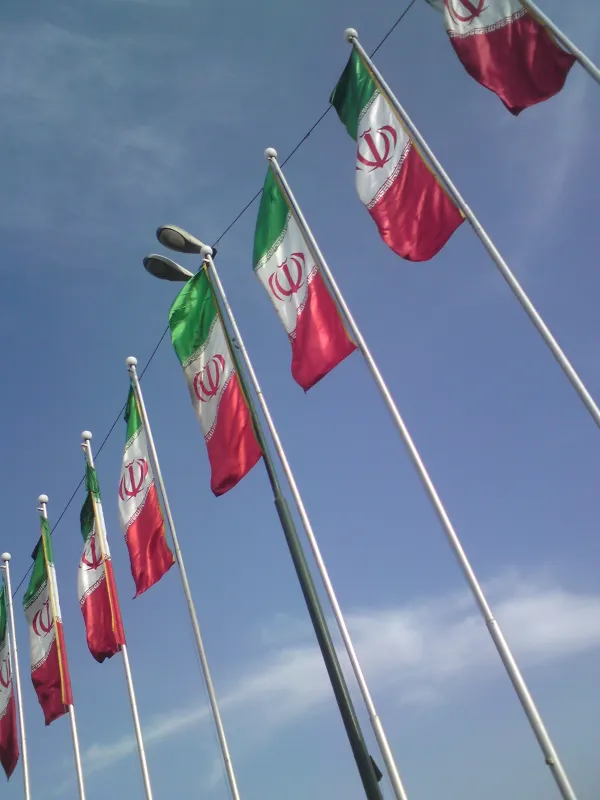
In a previous article, I argued that opposing the war against Iran by the United States and Israel is not equivalent to supporting the Islamic Republic. This distinction remains essential because the current conflict has increasingly been presented as a choice between supporting foreign military intervention or defending the Iranian regime. Such a binary obscures a more fundamental reality: one can simultaneously oppose external military aggression and reject the authoritarianism of the Islamic Republic. The continuing war has not only intensified regional instability but has also exposed deep ideological divisions within the Iranian opposition itself. While these groups have long shared opposition to the Islamic Republic, the conflict has revealed profound disagreements over the causes of the war, the responsibility of different actors, and the political consequences that may follow. Debates that once focused primarily on Iran's political future have increasingly shifted toward competing interpretations of the war itself.
July 31 @ 8:00 pm EDT
Free online - Register here
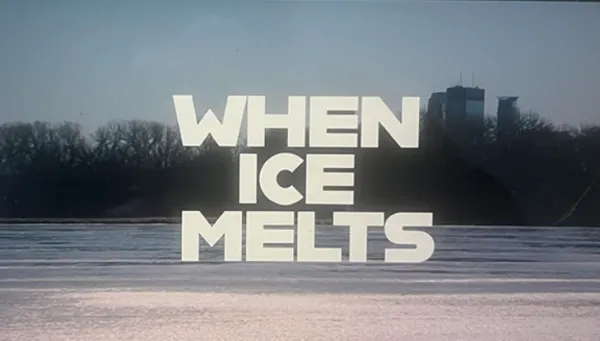
Film showing of “When ICE Melts – Testimonies from The front Lines”
119 minutes (2026) by Kipp Hedges
Joining the panel after the film will be videographer Kipp Hedges and St. Paul labor historian Peter Rachleff
In this US premier screening of “When ICE Melts, Testimonies From The Frontlines” by videographer Kipp Hedges, we hear of the voices of trade unionists, historians and members of the community in Minneapolis and St. Paul about what happened in the fightback against ICE, the plan of the Fascist Trump government to crush the people of the City. They talk about why Minneapolis was targeted, how people organized to defend the immigrant community and why the unions and trade unionists became involved in fighting back against the ICE terror tactics.
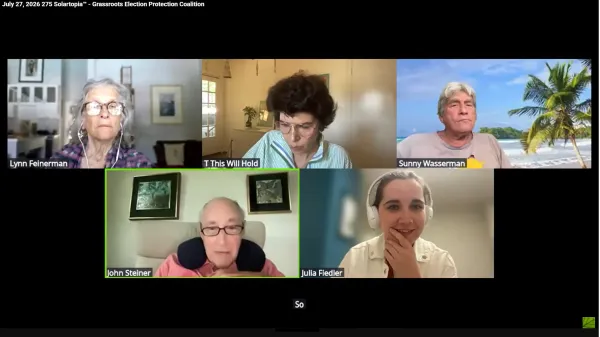
Harvey "Sunny" Wasserman, LYNN FEINERMAN, JOHN STEINER, JULIA FIEDLER and "T" in 275 zoom
We open our GREEP zoom 275 with PATRICK REYNOLDS whose anti-tobacco activism has saved millions of lives over the decades. Patrick comes from the RJ Reynolds cigarette empire, making his activism even more remarkable.
We then welcome “T”, the protective pseudonym of a truly great election protection activist who cuts to the core of the mega-cash pollution that put Donald Trump in the White House.
With radio host LYNN FEINERMAN we take a closer look at the corruption that imperils our democracy. From JOHN STEINER, JULIA FIEDLER and "T" we also hear about the "bucket full of holes" that the Democratic Party perennially passes off for feeble policy.
We hear further from STEVE CARUSO, MIKE HERSH, DOROTHY REIK, DOUG CRAGOE and others about the ins & outs of a truly insecure electoral system.
From TATANKA BRICCA we refer to the “World Cup” of global democracy that needs to be won.
Sliding into the energy issue, we hear from the great KARL GROSSMAN and KEVIN KAMPS on the catastrophic collapse of the nuclear power issue, especially at Michigan’s Palisades reactor and the two at Diablo Canyon.