
Global
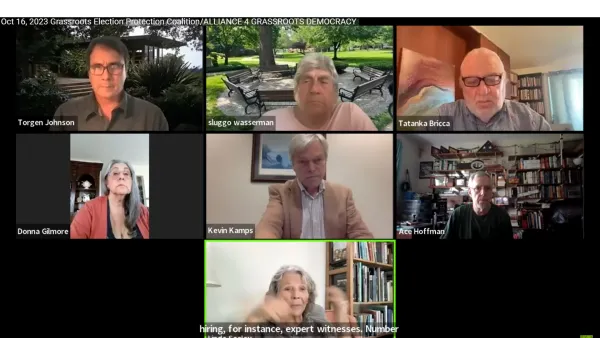
GREE-GREE # 153 begins with the great WENDI LEDERMAN’s harrowing accounts of gathering signatures for Florida’s pro-choice referendum.
You can’t hear these stories without worrying for the lives of those pounding the pavement for what’s left of our democracy.
RUTH STRAUSS and JUSTIN LEBLANC join in the dialog on this incredibly important life/death isue.
Ohio’s RACHEL COYLE explains the astounding “you can’t make this stuff up” madness that’s overtaken the Buckeye State on the issues of abortion, pot, democracy and more.
At a key moment she connects with the great RAY MCCLENDON, hopefully leading to more grassroots democracy in the swing state heartland.
STEVE CARUSO and SANDY BOLZENIUS also report in from Columbus with the latest mich-a-gass.
Wendi then reports again, this time about the hideous Cop City project in Atlanta with a terrible fascistic crack-down on the basic rights of pro-democracy protestors.
In our second hour we leap into the nuclear power issue and the desperate need to shut the Diablo Canyon reactors and all others throughout the world.
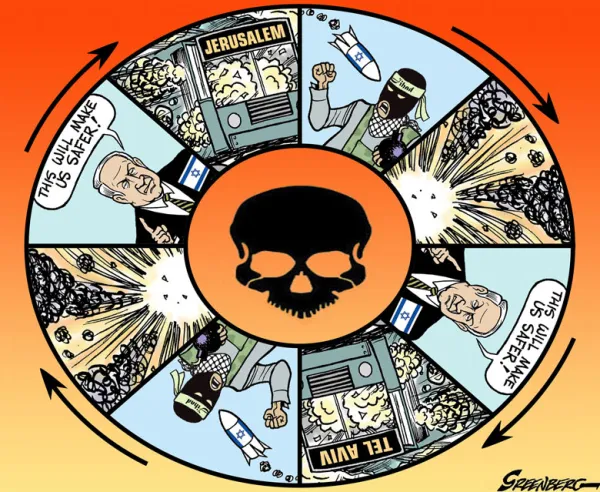
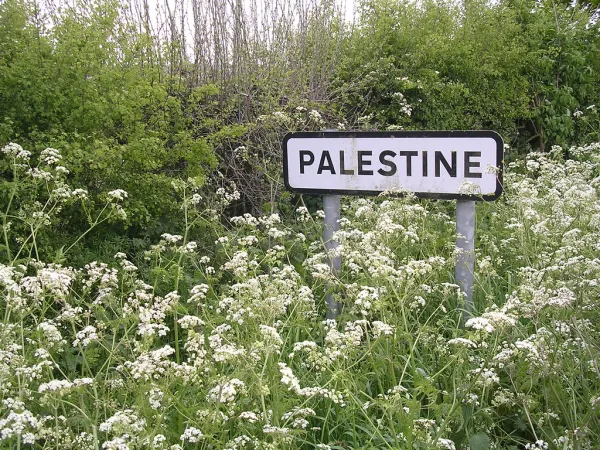
“In the midst of our grief and pain, let’s remind each other who we are.” .
These are the words of Stefanie Fox, executive director of Jewish Voice for Peace. She goes on: “We are people committed to tikkun olam, the repairing of the world. The Israeli government and U.S. government are justifying massive atrocities, tearing this world further apart, and doing so in the names of us and our beloved families. When we say never again, it includes Palestinians, and it means right now.”
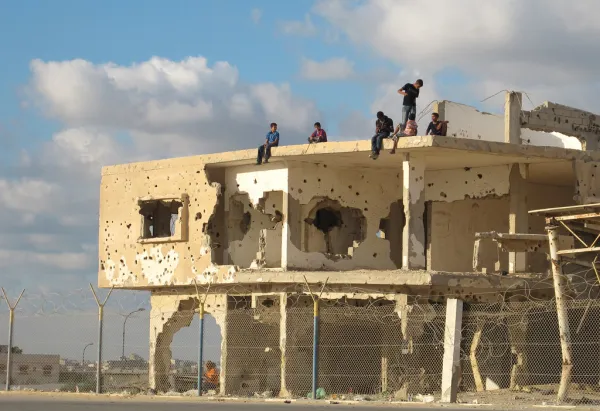
Israel had the perfect plan for Gaza - in fact, for all Palestinians, when it decided to redeploy its forces around the Occupied Gaza Strip in 2005.
Despite statements made, back then, by Israeli officials that the 'disengagement' plan aimed at severing Israel's legal and other responsibilities from its role as an Occupier, the actual story was different.

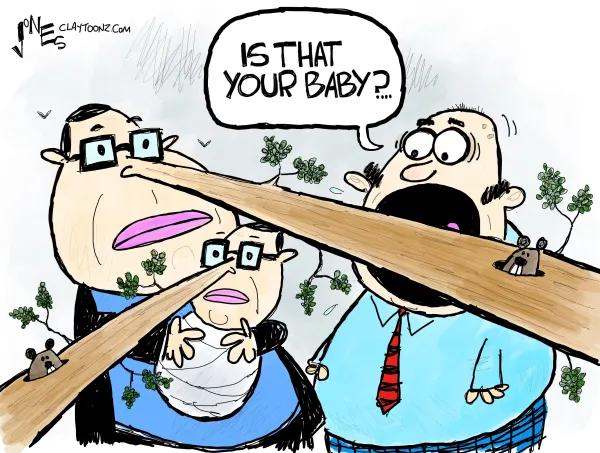

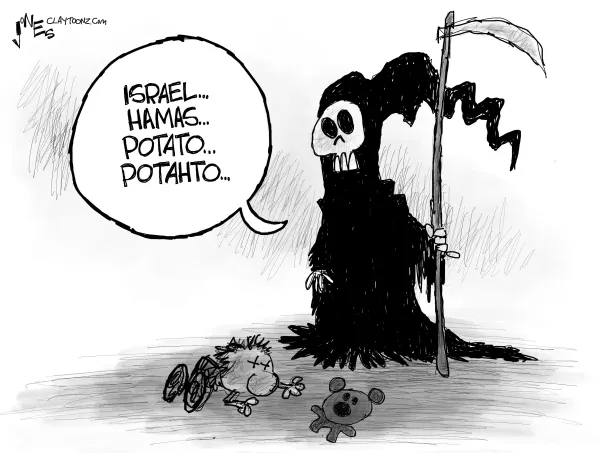
At one time, the ‘Arab-Israeli Conflict’ was Arab and Israeli. Over the course of many years, however, it was rebranded. The media is now telling us it is a ‘Hamas-Israeli conflict’.
But what went wrong? Israel simply became too powerful.
The supposedly astounding Israeli victories over the years against Arab armies have emboldened Israel to the extent that it came to view itself, not as a regional superpower, but as a global power as well. Israel, per its own definition, became ‘invincible’.
Such terminology was not a mere scare tactic aimed at breaking the spirit of Palestinians and Arabs alike. Israel believed this.