
Global
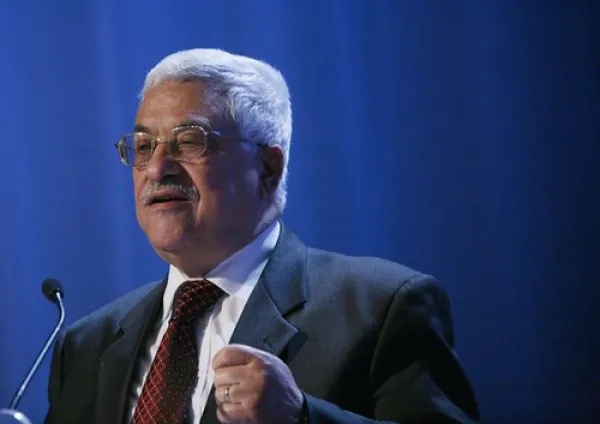
This is the perfect opportunity for Palestinian Authority President, Mahmoud Abbas, to exit the stage. But he will not.
Abbas’ brief visit to the devastated Jenin refugee camp in the northern occupied West Bank on July 12 demonstrated the absurdity and danger of the PA and its 87-year-old leader.
As he walked, Abbas struggled to keep his balance, in what was promoted as a ‘solidarity’ visit to the camp.
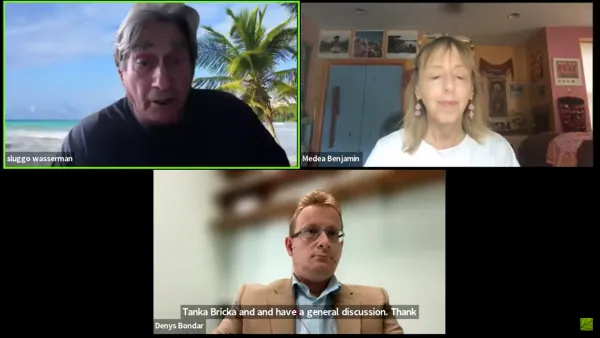
We plunge into the radioactive horror show in Ukraine for our 144th Green Grassroots Election Protection Zoom being rebroadcast during the Solartopia Green Power & Wellness Show on PRN.
We are joined by the great MEDEA BENJAMIN of Code Pink who makes the plea for peace and an end to the horrific planet-threatening slaughter in Ukraine.
We hear further from DENYS BONDAR, who is now circulating a petition to the United Nations General Assembly to sent peacekeepers to guarantee a demilitarized zone around the six atomic reactors at Zaporizhzhia.
These reactors are in various stages of shut-down. But the nearby spent fuel pools are in danger of losing their coolant.
Exposure of the rods stored therein could result in radioactive fires releasing enough lethal fallout to kill millions of humans an other living things in an apocalyptic event that would dwarf the killing power of Hiroshima/Nagasaki, Three Mile Island, Chernobyl, Fukushima and all other catastrophic events in human history.
We plunge into the radioactive horror show in Ukraine for our 144th Green Grassroots Election Protection Zoom being rebroadcast during the Solartopia Green Power & Wellness Show on PRN.
We are joined by the great MEDEA BENJAMIN of Code Pink who makes the plea for peace and an end to the horrific planet-threatening slaughter in Ukraine.
We hear further from DENYS BONDAR, who is now circulating a petition to the United Nations General Assembly to sent peacekeepers to guarantee a demilitarized zone around the six atomic reactors at Zaporizhzhia.
These reactors are in various stages of shut-down. But the nearby spent fuel pools are in danger of losing their coolant.
Exposure of the rods stored therein could result in radioactive fires releasing enough lethal fallout to kill millions of humans an other living things in an apocalyptic event that would dwarf the killing power of Hiroshima/Nagasaki, Three Mile Island, Chernobyl, Fukushima and all other catastrophic events in human history.
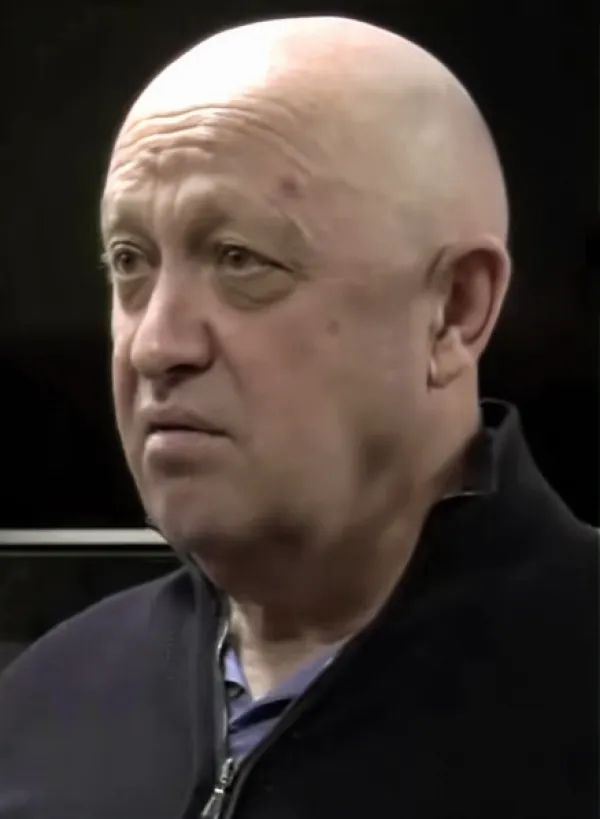
“A riddle wrapped up in an enigma” is a shortened form of a quotation made in October 1939, just one month after the Second World War had begun, by Sir Winston Churchill in a radio broadcast to the British people. At the time, Churchill was First Lord of the Admiralty. The full comment was “I cannot forecast to you the action of Russia. It is a riddle, wrapped in a mystery, inside an enigma…” Somehow that statement popped up into my head as I tried to decipher the meaning of the Yevgeny Prigozhin alleged coup attempt in Russia on Saturday June 24th, an unanticipated development that has energized the imaginations of pundits and government officials worldwide, generating a torrent of written articles as well as many hours’ worth of spoken commentary.

The deadly Israeli invasion of Jenin on July 3 was not a surprise.
Also, unsurprising is the fact that the killing of 12 Palestinians, wounding of 120 more and the destruction of nearly 80 percent of the Jenin Refugee Camp’s homes and infrastructure will not make an iota of a difference.
Even Israeli Prime Minister Benjamin Netanyahu, despite his lofty promises of destroying the “safe haven ... of the terrorist enclave in Jenin”, must have known that his bloody exercise was ultimately futile.
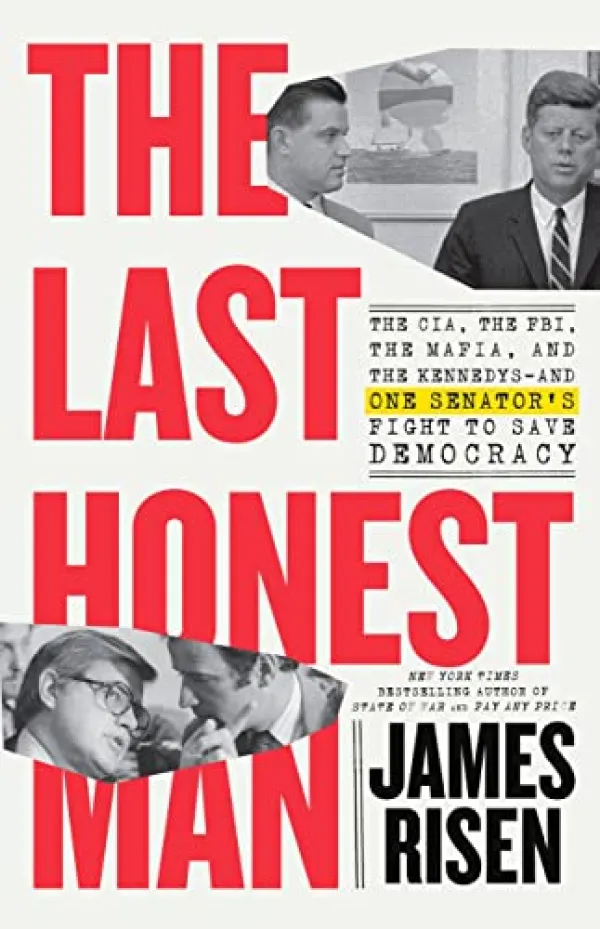
Although the Church Committee's investigation into abuses of the CIA, FBI and NSA was a watershed moment in American history, few books have been written with a focus on Frank Church. James Risen has added to this story by writing “The Last Honest Man: The CIA, the FBI, the Mafia, and the Kennedys—and One Senator's Fight to Save Democracy”, which is essentially a biography of Church, and is an important contribution to understanding the workings of the Church Committee.