Global
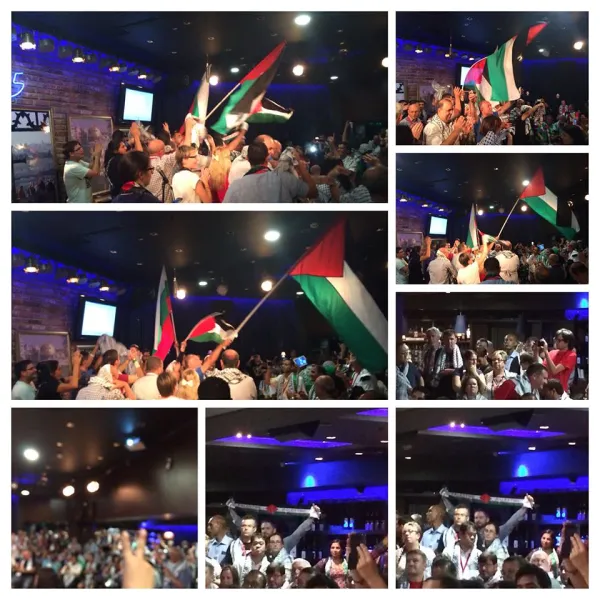
[Along with other intellectuals, I was asked by a New Zealand solidarity group to share a few ideas on what meaningful solidarity with Palestine entails. This talk inspired the article below.]
It is a new era in Palestine.
This new era is taking shape before our very eyes, through the blood, tears and sacrifices of a brave generation that is fighting on two fronts - against the Israeli military occupation, on the one hand, and collaborating Palestinians masquerading as a ‘leadership’, on the other.
But how do we, in Palestine solidarity communities around the world, respond to the changes underway, to the new language and to the actual unity – wihdat al-Sahat – which are reanimating the Palestinian body politic?
First, I believe that we must insist on the centrality of the Palestinian voice to any solidarity action pertaining to Palestinian freedom anywhere.
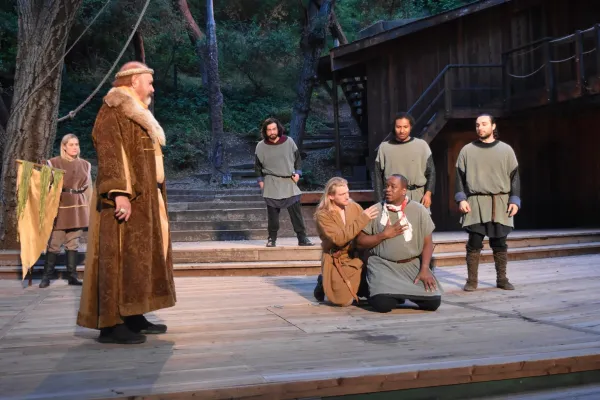
Will Geer’s Theatricum Botanicum’s rendition of William Shakespeare’s immortal masterpiece Macbeth is a bone-chilling excursion into ambition unbound, bloodlust and madness. As the title character (portrayed by the estimable Max Lawrence) quite literally slashes his way to the top of the heap in 11th century Scotland to seize and keep the crown, the astute theatergoer can’t help but reflect on power struggles in today’s America as our quadrennial presidential contest unfolds.
BANGKOK, Thailand -- Millions of Thais were gripped with suspense, misery, or delight seeing a Shakespearean display of political knives and an agonized "Et tu Brute?" echoing in the hostile Senate when it voted twice to crush popular Pita Limjaroenrat's chances to become prime minister.
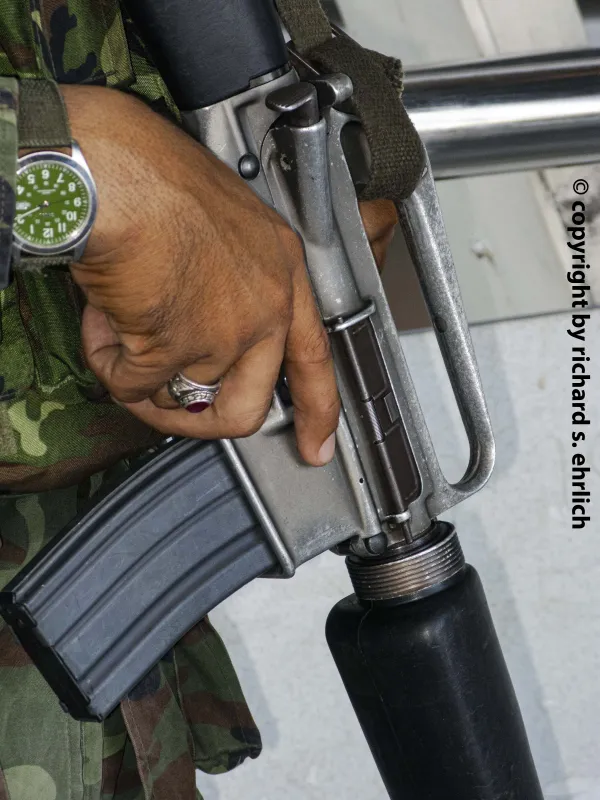
The grim, militarized, junta-appointed 249-member Senate was not a welcoming place for Pita, 44, who won a nationwide House election in May, promising to reform the U.S.-trained military and stop them repeatedly seizing power through coups.
Pita also wanted to "reform" the constitutional monarchy, slash the military's opaque budget and lucrative commercial enterprises, downsize the swollen number of generals, end conscription, and disband the Internal Security Operations Command (ISOC) which is currently grappling with Islamist Malay-Thai separatists in the south.
The Senate's votes on July 13 and 19 ended Pita's current climb to the prime ministry.

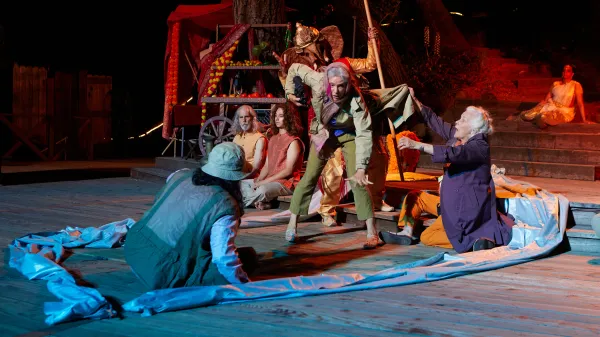
Will Geer’s Theatricum Botanicum goes Bollywood, with Terrence McNally’s India-set A Perfect Ganesh, which opens with a barefoot Apsara (Shivani Thakkar) or celestial nymph in Hindu mythology, traditionally dancing onstage in age-old Indian radiant raiment. The dancer is followed by Ganesha (Mueen Jahan), the narrator wearing an elephant mask, denoting the Hindu god Ganesh, the remover of obstacles, bearer of good luck and patron of arts.
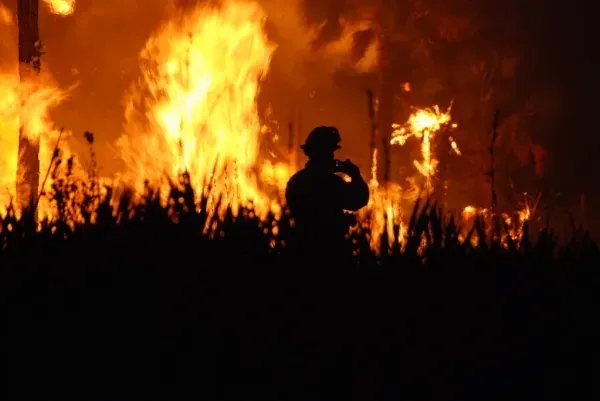
“. . . we need to do everything we can to keep (global) warming as low as possible.”
When it comes to climate change, one two-letter word has me totally perplexed: “we.” There’s an implication of global unity — a transcendent “we,” marching as to war (so to speak) — facing humanity’s greatest crisis, undoing the exploitative, Earth-destroying aspects of our social structure and grabbing control over the planet’s rising temperature. We need to do everything we can!
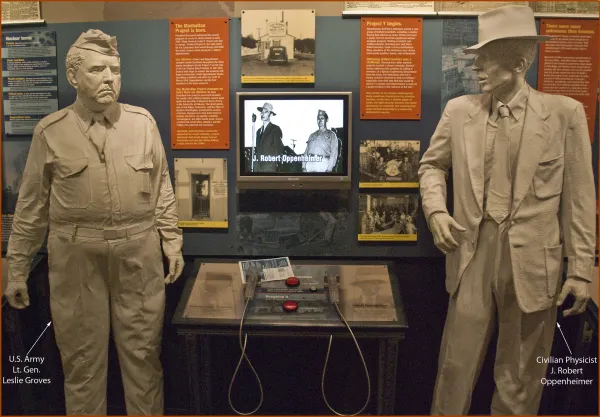
With the film Oppenheimer opening in theatres on Friday and being widely heralded by media, and this past Sunday the 78th anniversary noted of the first explosion of a nuclear device, and, so importantly, the Treaty on the Prohibition of Nuclear Weapons becoming international law, the time for putting the nuclear genie back in the bottle has arrived with great timeliness and strength.
Can it be done? Can nuclear weapons be abolished?
Yes.
Consider what the world did in the wake of World War I when the terrible impacts of poison gas had been tragically demonstrated. Mustard gas, chlorine gas, phosphene gas killed thousands on both sides of the conflict. Thereafter, the Geneva Protocol of 1925 and the Chemical Weapons Convention of 1933 outlawed chemical warfare, and to a large degree the prohibition has held.