
Global
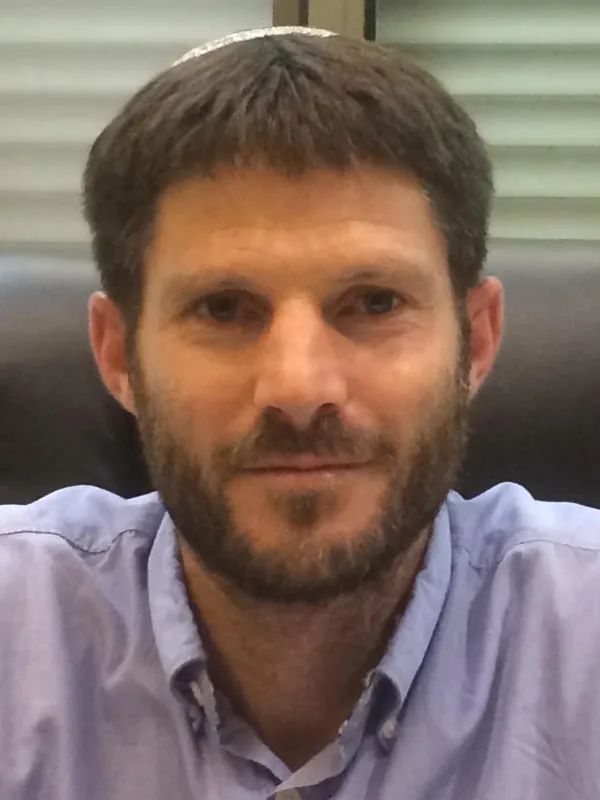
By his own admission, Israel’s new Finance Minister Bezalel Smotrich is a “fascist homophobe”. This declaration, which he made on January 16, should be enough to accentuate the violent nature of the new political concoction created by Israeli Prime Minister Benjamin Netanyahu last December.
Though Smotrich is not the only politician in Netanyahu’s cabinet with a track record of violence, both real and rhetorical, he is a special case. Unlike his boss, Smotrich does not feel the need for doublespeak or occasional diplomacy.

Our GREEP #132 starts with the “deal of the century” as Xi & Putin lay the foundation for an end of the American Century and the dominance of the dollar.
As part of that excursion we visit “The Big Short” and other critical documents on the most recent fall of the American economy.
KFPA/Flashpoint’s DENNIS BERNSTEIN, LYNN HEIDIKOPER and others help us with the horrendous details.
From there we go to the all-important race for the deciding seat on the Wisconsin Supreme Court, where grassroots organizing will make all the difference.
JOHN STEINER fills us in with critical details.
We also hear from JUDITH WHITMER, recently purged as chair of the Nevada Democratic Party for being too progressive & grassroots. Where have we heard that before?
One place is New York, where JULIE WIENER and RON LEONARD explain how the utterly feeble Democrats blew it for the entire US House.
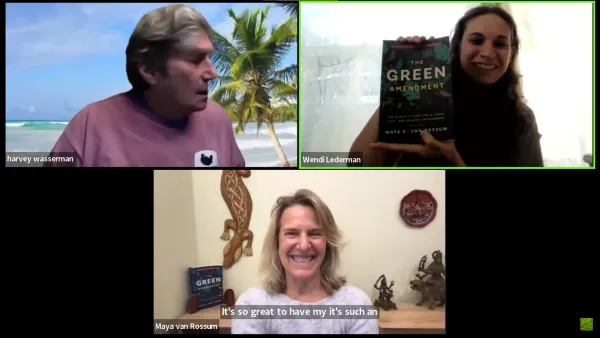
BRYANN TANNEHILL fills us in on the national war against LGBTQ citizens. WENDI LEDERMAN gives us the ugly details from DeSantis’s Florida, where Disney (!!!) is fighting back.

Glasses up for those French workers and Middle-Class people that are trying to save Western Civilization and its liberal democracy!
In many other parts of the Western world, not so much in the Global South, for some people you are being classified as spoiled brats that want to retire at the tender age of 62. Some of these people criticizing the French workers and their allies have spent their whole lives getting kicked in the ass and can’t understand living any other way.
These are the same people that stay silent when children and adults are getting killed daily by gun shots in the USA. According to ABC News’ Kiara Alfonseca, so far in 2023, 9,870 people have died from gun violence in the U.S, as of March 27, according to the Gun Violence Archive – which is an average of more than 114 deaths each day.
Our people have been so accustomed to get kicked in their behind that sadly they don’t seem to understand to live any other way. Here in Florida now it will be legal to carry guns with you without the need of licenses, permits or any proof that you know how to use a firearm.

“Chief Drake said it was too early to discuss a possible motive for the shooting, though he confirmed that the attack was targeted. The authorities were reviewing writings, and had made contact with the shooter’s father. . . .”
Yeah, they’ll figure it out.
The latest mass shooting: Six people dead, including three 9-year-old children, at the Covenant School in Nashville, Tennessee. The alleged shooter, age 28 – a former student at Covenant – stomped into the school on March 27 carrying (God bless America) two semi-automatic rifles and a handgun. He/she, apparently transgender, was eventually shot dead by police.
In other news . . .

The final exchange, caught on camera between visiting Chinese President Xi Jinping and his Russian host and counterpart, Vladimir Putin, sums up the current geopolitical conflict, still in its nascent stages, between the United States and its Western allies on the one hand, and Russia, China and their allies, on the other.


I honestly believe that Cirque du Soleil’s official motto is “gravity is for sissies” – or, if it isn’t, it really should be. This psychedelic circus, which had been wowing audiences for almost 40 years, has returned to Los Angeles with Corteo, a show that premiered in 2005. The barebones plot is that Mauro, the so-called Dreamer Clown, imagines his funeral procession to be a phantasmagorical parade inhabited by uninhibited free spirits and angels who form his cortege (or eponymous Corteo) as they run wild, celebrating joie de vivre.

The scene of Israeli Ambassador, Sharon Bar-Li, along with other Israeli delegates, being escorted out of the opening ceremony of the African Union Summit in Addis Ababa, Ethiopia, on February 18, was historic. The very moment that was meant to crown twenty years of Israeli diplomacy on the African continent, in a few seconds, turned to represent Israel’s failure in Africa.
Unable to fathom the breakdown of its diplomatic and political efforts, Tel Aviv responded to Bar-Li's removal by waging a war of words against African countries, accusing them of spearheading a campaign aimed at blocking Israel's observer status.

The 2024 races for the White House and Congress may be decided Tuesday, April 4, in Wisconsin.
And the Democrats may be set to blow it by spending millions on media buys while ignoring grassroots organizing.
The hotly contested election is for the vacant swing seat on the Wisconsin state Supreme Court. The outcome could ride on how many voters of youth and color turn out to cast ballots.
And while the Democrats have so far outspent the Republicans on media advertising, their general unwillingness to support grassroots organizing could easily lose the seat….and much more.
That puts this race at Ground Zero in the bitter dispute about where progressive should focus their electoral efforts leading up to 2024—-by sending money and other support to the Democratic Party and its candidates…or by directly supporting grassroots groups focussed on getting out the vote, as they did in creating the “Georgia Miracle” that secured two very unlikely US Senate seats in 2020-2.
Videos previewed with Authors permission:
“Radioactive: The Women of Three Mile Island” Heidi Hutner • Radioactive: The …
“Three Mile Island Revisited” Karl Grossman • Three Mile Island…
A New Program from SCRUTINEERS w Emily Levy
WISCONSIN SUPREMES Another Dem Disaster?
October Surprise Confirmed!! Reagan Stole 1980 Election!!!
DeFascist FL List Wendi Lederman, Carolina Ampudia
Carlson Loves Assange?!
Women of 3 Mile Island Heidi Huttner Special Trailer Showing