Global

On January 11, the Israeli Lod District Court ruled against a Palestinian film-maker, Mahmoud Bakri, ordering him to pay hefty compensation to an Israeli soldier who was accused, along with the Israeli military, of carrying out war crimes in April 2002, in the Palestinian Jenin refugee camp located in the northern occupied West Bank.
The case, as presented by Israeli and other media, seemed to deal with typical legal matters such as defamation of character and so on. To those familiar with the massive clash of narratives which emanated from that singular event, known to Palestinians as the ‘Jenin Massacre’, the Israeli court verdict is not only political but historical and intellectual, as well.
SUPHANBURI, Thailand -- The government is treating for free thousands
of patients suffering cancer and other illnesses with a recently
illegal brew of marijuana boiled in coconut oil, created by Daycha
Siripatra who says a mind-reading Buddhist monk helped tweak its
recipe.
Mr. Daycha also teaches the public how to make cannabis oil themselves.
It's as easy as cooking soup on a kitchen stove.
Mr. Daycha, an agricultural expert, is now government-licensed to
make, prescribe, and distribute his popular Daycha Oil to the public
for common or serious ills.
His interest began 10 years ago when he worried about contracting
cancer after several relatives died from the disease even with
chemotherapy.
He searched online for treatments and illegally experimented with a
formula publicized by Canadian cannabis activist Rick Simpson.
Mr. Simpson suggested naphtha, a solvent, to extract oil from marijuana.
To test the oil, Mr. Daycha secretly began treating two terminal
cancer patients.
"Unlike many other cannabis oils, Rick Simpson Oil is high in
In an interview with the British newspaper, The Times, in 2015, former US Defense Secretary, Donald Rumsfeld, vehemently denied that exporting democracy to Iraq was the main motive behind the US invasion of that Arab country 12 years earlier.
Normalcy and tradition held sway as — for the first time in my life — I watched a presidential inauguration live, listening to Lady Gaga sing the national anthem and, then, Joe Biden take the oath of office, becoming the 46th president of the United States.
As I write these words, I find myself swimming in a complex stew of emotions, more moved by what I have just watched than I expected to be.
“. . . if we open our souls instead of hardening our hearts . . .”
And then Garth Brooks sang “Amazing Grace,: urging everyone — including the folks at home — to join him. And I did, quietly saying to myself: You’ve got to be kidding me.
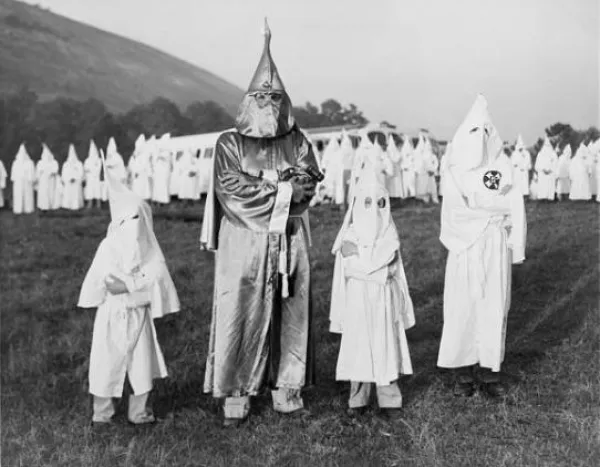
Our shredded nation slowly breathes again as the unelected orange menace leaves us at last. If you somehow feel your mood lightening and your state of mind improving, here’s why:
This twice-impeached viral dung heap who needlessly killed 400k-plus Americans, along with 13 federal prisoners he outright murdered at the last minute, is actually on his way out.
And we are all exhausted!!!
Donald Trump was NOT our worst president (that was Woodrow Wilson).
But Trump’s lethal legacy includes:
As the sun sets slowly on Trump’s presidency and we bid a not-so-fond farewell to the ex-resident of 1600 Pennsylvania Avenue, presumably leaving for exile at Mar-a-Largo, it’s worth reflecting: After all he’s said and done, what have we really learned from The Donald?
By this, I don’t mean some sort of high-minded platitude, such as “Democracy is a fragile thing.” Rather, I am referring to what of value, that one can put to practical use, has Trump actually taught us?
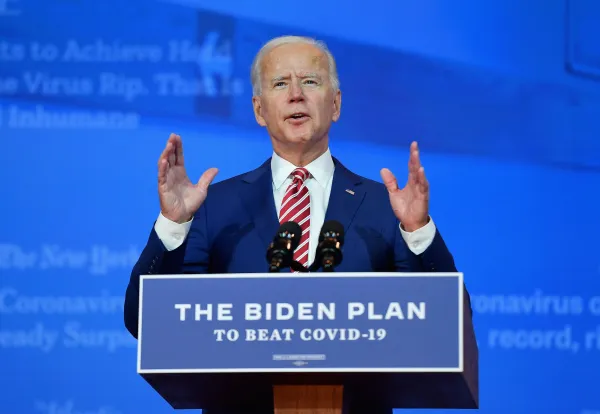
At inauguration time, journalist I. F. Stone wrote, incoming presidents “make us the dupes of our hopes.” That insight is worth pondering as Joe Biden ascends to the presidency. After four years of the real-life Trump nightmare, hope is overdue -- but it’s hazardous.
Stone astutely warned against taking heart from the lofty words that President Richard Nixon had just deployed in his inaugural address on January 20, 1969. With the Vietnam War raging, Stone pointed out: “It’s easier to make war when you talk peace.”
That’s true of military war. And class war.
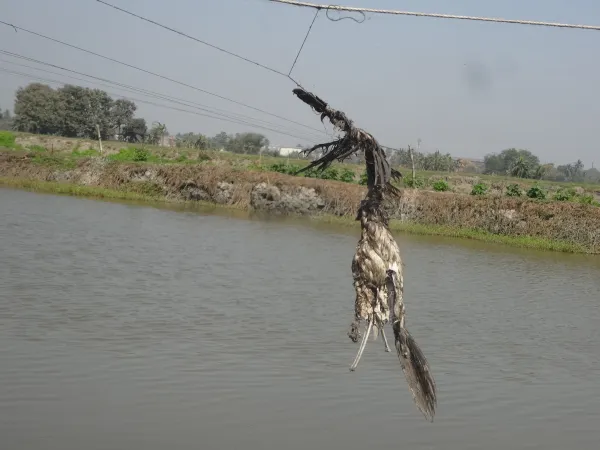
In August 2010, the secretary-general of the UN Convention on Biological Diversity, Ahmed Djoghlaf, warned that ‘We are losing biodiversity at an unprecedented rate.’ According to the UN Environment Program, ‘the Earth is in the midst of a mass extinction of life’ with scientists estimating that ‘150-200 species of plant, insect, bird and mammal become extinct every 24 hours’ which is nearly 1,000 times the ‘natural’ or ‘background’ rate. Moreover, it ‘is greater than anything the world has experienced since the vanishing of the dinosaurs nearly 65m years ago.’ See ‘Protect nature for world economic security, warns UN biodiversity chief’.
One of the many things we must rightly demand of the incoming U.S. government is the abandonment of rogue status, the serious participation in treaties, a cooperative and productive relationship with the rest of the world.
We’ve all heard about the Iran agreement, which ought to be re-joined and made into a treaty — and sanctions ought to be ended. Biden can do this alone, except for the ending sanctions part.
We’ve all heard about the Paris climate agreement, which ought to be re-joined and made into a treaty — and military pollution included. Biden can do this alone on Day 1.
But what about the others? What about the treaties that Trump has illegally withdrawn from (illegally because treaties require Congress, and because these treaties have built-in procedures for addressing the alleged problems Trump used as excuses to withdraw)? Biden can rejoin them at will. Does he have the will?