Global
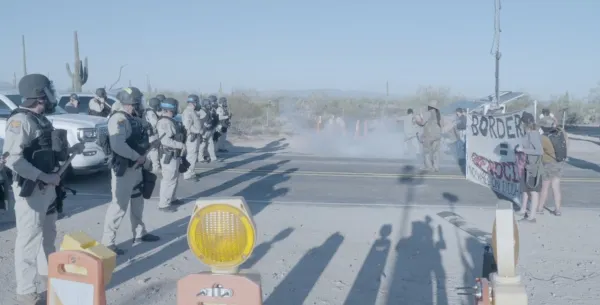
O’odham sacred land and water protectors held ceremony this morning at a border patrol checkpoint on unceded O’odham homelands to pray for sacred sites and graves demolished by the racist border wall. Border Patrol and Arizona State Troopers and Department of Public Safety attacked them with tear gas and rubber bullets, hitting at least one O’odham in prayer in the chest with rubber bullets and arresting at least eight Native Americans on Indigenous Peoples’ Day.
Indigenous Peoples’ Day 2020; Highway 85, Hia Ced O’odham lands (Arizona) -
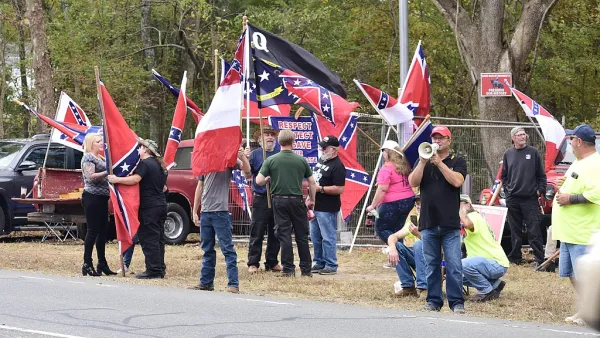
 s Donald Trump descends into COVID/drug-induced madness, there must be no illusions about what we face.
Trump is using White Supremacism to incite violent fascist cadres. These assaults on the 2020 election parallel Hitler’s rise to power in 1933 Germany.
Throughout the US, right-wing thugs are escalating the terror at voting centers. They have blocked voter access at Alexandria, Virginia, and will certainly be seen elsewhere.
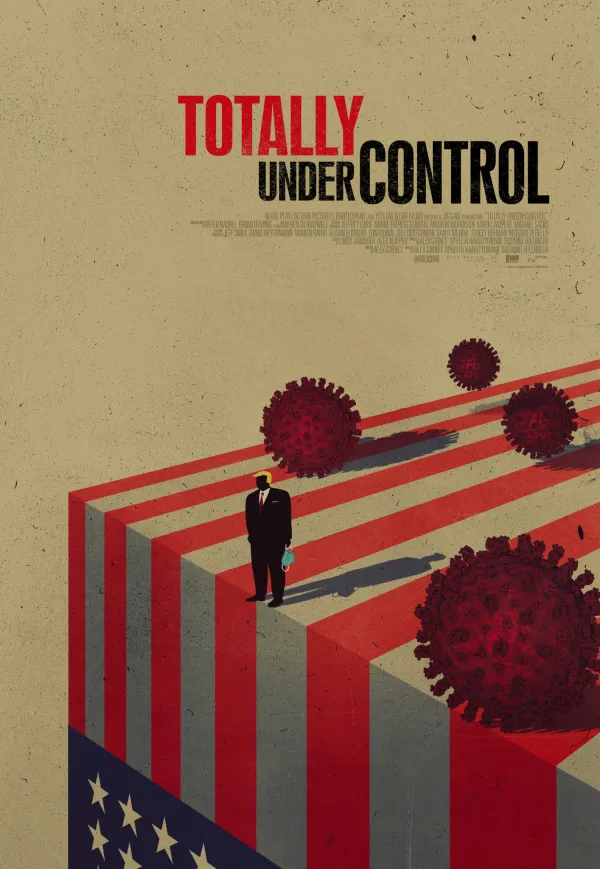
The cutting edge nonfiction film Totally Under Control co-directed by Oscar-winner Alex Gibney, Ophelia Harutyunyan and Suzanne Hillinger documents the Trump regime’s tragedy of errors and terrors in its catastrophic reactionary reaction to the coronavirus. Indeed, Control is a veritable cinematic Nuremberg trial convicting Trump and the psychopath’s sycophants of crimes against humanity and mass murder of 215,000-plus Americans by systematically undermining science to enable Covid-19 to wreak havoc across the land they were sworn to protect.
Control takes its ironic title from one of Trump’s invariably wrong plague pronouncements and predictions. Instead of Nostradamus, the buffoon who keeps prognosticating that the virus will just “go away,” when it gets warm (hey’ how’d that work out for you this summer?), etc., and other fantasy flights of fancy should be called “Nostra-Dumb-Ass.” As this doc shows, Trump is to prophecy what Casanova was to monogamy, Pinocchio to honesty and Louis XVI to good governance (and hopefully he’ll meet the same fate).
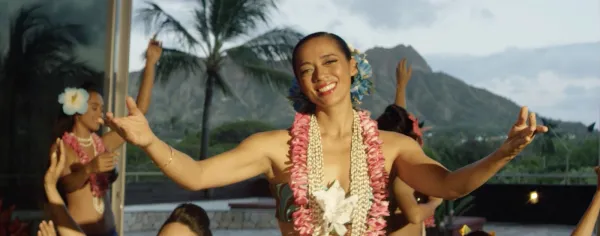
America is currently experiencing a historic surge of protests igniting a cultural awakening and racial reckoning. As what has been called “Columbus Day” arrives, shorts, documentaries and features by and about the indigenous peoples of the Pacific Islands are being given their day in the sun as part of the 36th annual Los Angeles Asian Pacific Film Festival (https://festival.vcmedia.org/2020/). Since 1983 Visual Communications, a nonprofit organization, has presented LAAPFF, dedicated to its mission “to develop and support the voices of Asian American and Pacific Islander filmmakers and media artists who empower communities and challenge perspectives.” This year due to the pandemic the Festival is online.
After viewing the first US Presidential debate on September 29, one is left with no doubt about the degenerating political discourse among America’s ruling elites.
Following the debate between US President, Donald Trump, and Democratic Presidential nominee, Joe Biden, most analyses focused mainly on the personal insults and name-calling, which, deservedly, earned the event the title ‘worst Presidential debate in recent memory’.
Supporters of both parties, however, rushed to minimize the damage inflicted by the poor performance of their candidate, elevating certain points and conveniently omitting others.
However, some issues were thoroughly discussed, thus allowing us to formulate educated opinions on both candidates’ stances on certain subjects, such as racism and police brutality.
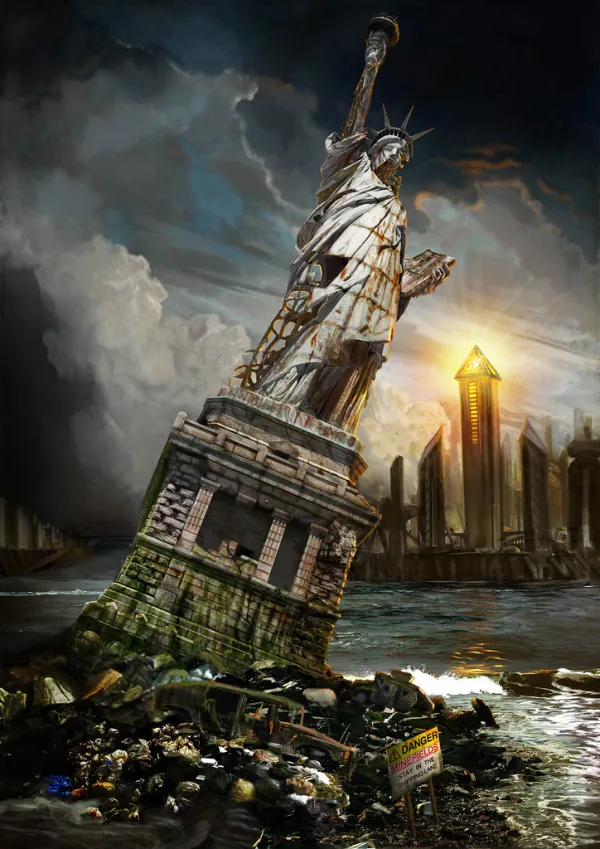
What if we stopped separating the looming national chaos into separate categories —racism, climate change, war, vote suppression, election theft, pandemic, science denial, white supremacy, police brutality, etc. — and tried looking at it all at once?
This may be the legacy of Donald Trump, our first corkscrew-in-chief: He has popped the cork on who we are and reality, so it seems, is gushing uncontrollably like never before. Trump, with his defiance of political correctness and the norms of the status quo, not to mention his desire to be the American Mussolini — unchallenged in his leadership either by election results or medical consensus — has created much of the chaos on his own. But the bulk of the chaos is simply America the Terrible emerging from the shadows: our real history suddenly visible.
Here’s the deal:
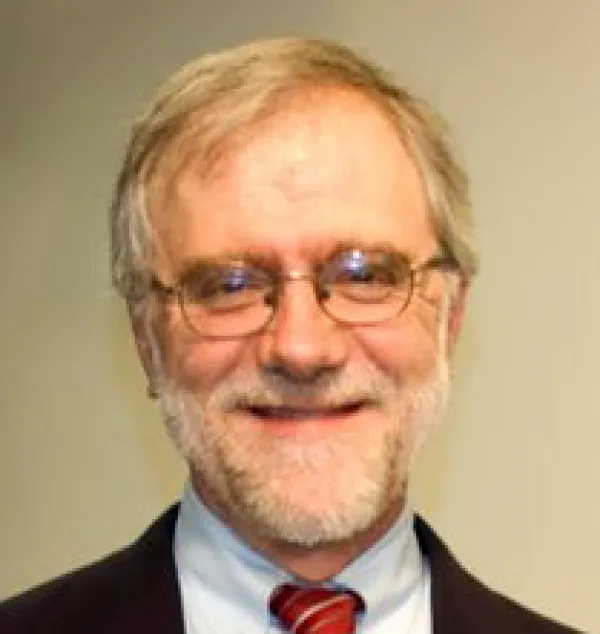
If you’re a Green, voting in a purple swing state, preparing to vote for Howie Hawkins… how about asking a Dem in a safe state to vote green while you vote blue?
If you’re a Dem, voting in a safe blue state, preparing to vote for Joe Biden… how about asking a Green in a critical swing state to vote blue while you vote green?
How about we at last use the Electoral College to end the circular firing squad and get the best of both worlds
Preventing a Trump dictatorship in 2020 will ultimately hinge on how well we protect this election from stripped voter rolls, trashed ballots, armed intimidation, insider manipulation, deleted ballot images, a Supreme Court coup, and so much more.
For all that, please see our grassrootsep.org website and join our Monday zooms on how to protect this election.
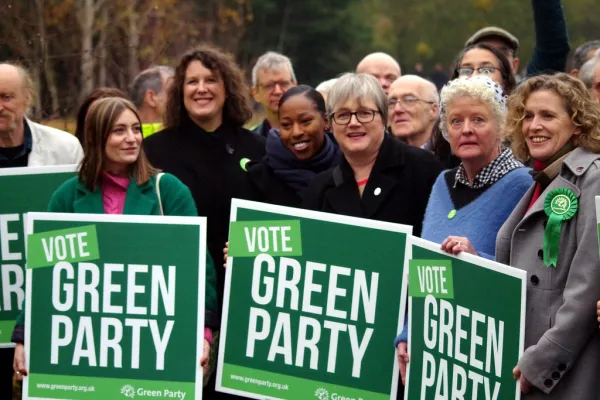
This statement also has its priorities straight. Election protection to stop Trump from stealing the election is what we have to do to send Trump packing from the White House to his waiting prison cell. Scapegoating the Greens is a diversion from this top priority.
Green presidential campaigns bring new voters to the polls who are disgusted with both corporate parties. 2016 exit polls showed that 61% of Jill Stein voters would have stayed home had she not been on the ballot.
Plug that percentage into Wisconsin, Michigan, and Pennsylvania and the outcome would not have changed in 2016. It has been Black voter suppression and the Electoral College, not the Green Party, that has put Republican popular-vote losers in the presidency in the 21st century.