
Global
BANGKOK, Thailand -- Thailand's U.S.-trained military, unable to win
its 15-year-long war against Muslim Malay-Thai guerrillas, announced
it is considering "autonomy or special administrative arrangements" in
the south where insurgents staged fresh assaults, adding to the 7,000
people killed on all sides.
"I do not demand a cease-fire first before the dialogue," said Gen.
Udomchai Thamsarorat, head of the National Security Council's Peace
Dialogue Panel.
"Autonomy or special administrative arrangements, yes we can talk and
we can compare it, or we can map it out if we believe the [Thai] prime
minister's instruction about decentralization for people to feel
comfortable under the government," Gen. Udomchai said describing a
compromise that Bangkok earlier avoided.
Academics and researchers suggested autonomy should allow southern
Muslims to run their communities including school curriculums, the
election of governors, wider use of Malay language instead of Thai,
family legal decisions, and other local issues.
Now that he is safely dead let us praise him,
build monuments to his glory,
sing hosannas to his name.
Dead men make such convenient heroes.
They cannot rise to challenge the images
we would fashion from their lives.
And besides,
it is easier to build monuments
than to make a better world.
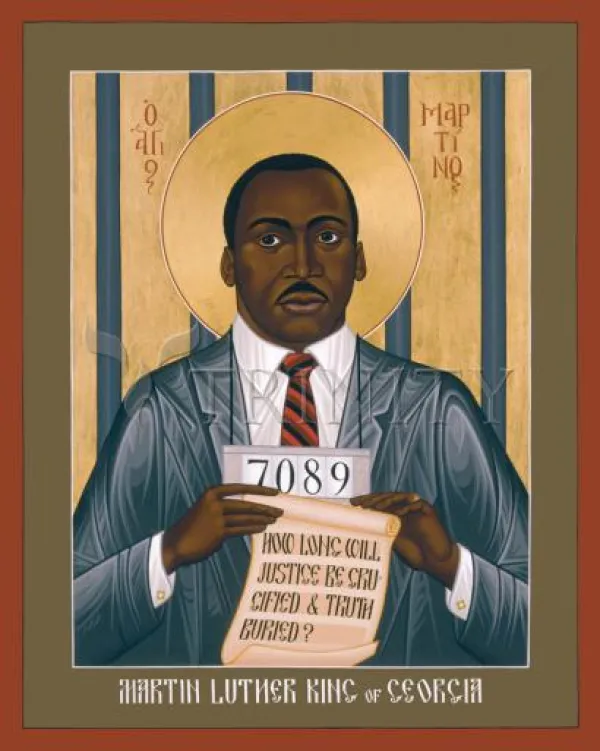
“Now That He Is Safely Dead”is the short but poignant poem that was written by black poet/musician Carl Wendell Hines soon after Malcolm X’s assassination in 1965. The poem has also been appropriately associated with the death of Dr Martin Luther King and his legacy of nonviolent struggle for black liberation, freedom, equality, economic justice and the pursuit of happiness for all.
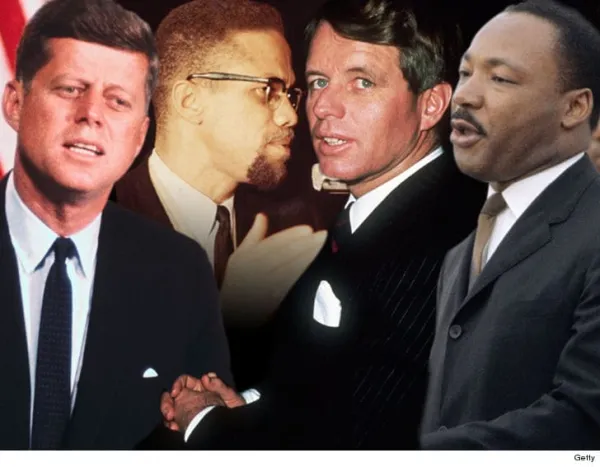
Kennedy and King Family Members and Advisors Call for Congress to Reopen Assassination Probes
Please scroll down to see the “Call” text and see attached for list of signers
On the occasion of Martin Luther King Jr. Day, a group of over 60 prominent American citizens is calling upon Congress to reopen the investigations into the assassinations of President John F. Kennedy, Malcolm X, Martin Luther King Jr., and Senator Robert F. Kennedy. Signers of the joint statement include Isaac Newton Farris Jr., nephew of Reverend King and past president of the Southern Christian Leadership Conference; Reverend James M. Lawson Jr., a close collaborator of Reverend King; and Robert F. Kennedy Jr. and Kathleen Kennedy Townsend, children of the late senator.

The letter below is about what the CDC and all state Departments of Health (plus every mainstream media outlet that takes advertising ([hush”] money from Big Pharma/Big Vaccine [plus every medical trade group such as the AAP and AMA]) has been calling “mysterious” outbreaks (ie, of unknown cause) of acute flaccid myelitis (AFM) among highly vaccinated-age-age pediatric patients. The letter was published in a recent issue of the British Medical Journal (in the “Rapid Response” section).
The author of the letter receives my periodic Duty to Warn columns, and he was kind enough to forward me the BMJ-published letter. We should be proud of him for writing it and also happy that the BMJ actually printed it. I suspect that most major US medical journals would refuse to publish such important information.

Dear Ms ----: I read your recent online article concerning the CDC/Big Pharma/Big Vaccine/Big Medicine claims – still totally theoretical - that unspecified corporations are hoping to develop a so-called “universal influenza vaccine”.
Your article happens to be just one of many similarly-sourced articles authored by other health journalists around the nation concerning the same topic. Those journalists have probably also been informed (mis-informed?) by similar press releases and pro-industry “scientific” information that has been made available to journalists by profit-motivated multinational corporations that hope that to generate interest in the “next new thing”. Often false hope gets generated. Money can still be made selling snake oil if there is enough slick marketing and the salesperson has a silver tongue.
Report from Liberation News Service: https://en.wikipedia.org/wiki/Liberation_News_Service
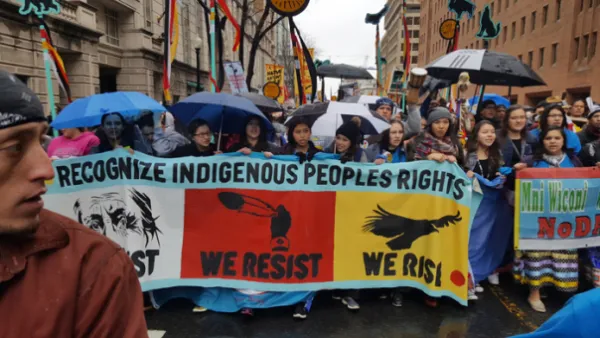
The Indigenous People's March comes to Washington today, and the snow-clad streets of the citadel of the American Empire are going Native.
It might be mistaken for any other day. The slushy sidewalks are half full of sleepy eyed company men and Trump Administration apparatchiks, sliding to and fro. Those, that is, who are still showing up for their jobs.
And then, the sound of drums in the distance, the steady beat of moccasined feet approaching. They're about to do a stomp dance that's gonna rock this country coast to coast.

We’re all children of Abraham: Christians, Muslims, Jews. In my office, I keep a Bible open on my desk to remind me of God and His Word, and The Truth.
And it’s the truth, lower-case “t,” that I’m here to talk about today. It is a truth that isn’t often spoken in this part of the world, but because I’m a military man by training, I’ll be very blunt and direct today: America is a force for good in the Middle East.
We need to acknowledge that truth, because if we don’t, we make bad choices – now and in the future. [emphasis added]
– US Secretary of State Mike Pompeo, January 10, 2019