
Global
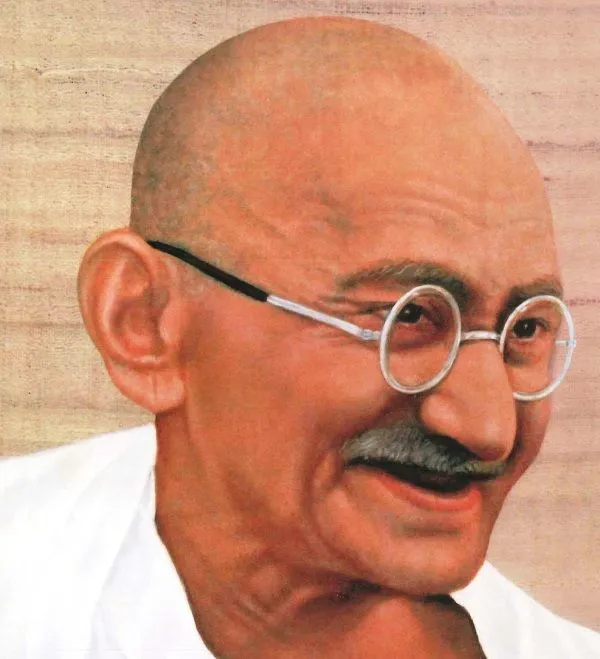
Mohandas Karamchand Gandhi was born on 2 October 1869: 150 years ago this year.
There will be many tributes to Gandhi published in 2019 so I would like to add one of my own.
This reflects not just my belief that he gave the world inspiration, ideas and powerful strategies for tackling violence in a wide range of contexts but because my own experience in applying his ideas has proven their worth. This included his awareness that led him to declare that ‘If we are to make progress, we must not repeat history but make new history. We must add to the inheritance left by our ancestors.’ and his encouragement to reflect deeply and listen to one’s ‘inner voice’: ‘you should follow your inner voice whatever the consequences’ and ‘even at the risk of being misunderstood’.
In essence, we can productively learn from history but we can build on it too. And, vitally, this includes dealing more effectively with violence.
So how did Gandhi influence me?
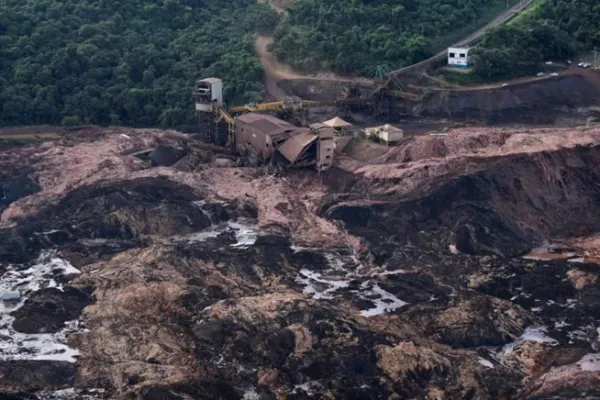
“ALL tailings ‘ponds’ are a problem. If they don't breach and spill massive amounts of toxic sludge into the environment like at Mount Polley, they leach that contamination slowly, poisoning the waters and lands (and aquifers) around them for centuries.” – Quote from: http://canadians.org/blog/update-mount-polley-mine-disaster-imperial-metals-and-government-focus-covering-instead. ______________________________________________________________________________

A solemn message to the residents of Hoyt Lakes, Aurora, Meadowlands, Floodwood, Brookston, Cloquet, Scanlon, Carlton, Thomson, Wrenshall, Duluth, Superior WI, Minnesota, Wisconsin, Michigan, Canada and most of all, Lake Superior, please seriously heed the warnings in the message below.
Even state-of-the-art mine tailings ponds that use earthen dam walls (especially if they are intended to grow to become 250 feet tall like PolyMet’s!!) are subject to sudden, unexpected – and very catastrophic – breaches that could easily destroy for a generation every living thing in the watershed downstream. Even tributaries can be contaminated and even destroyed in the sudden deluge that can reverse the flow of the creeks temporarily.
And be warned that foreign multinational mining corporations – just like every other profit-minded, multinational corporation that anybody can think of - has their profits as their number one goal; the long-term adverse environmental effects from their mining operations be damned!
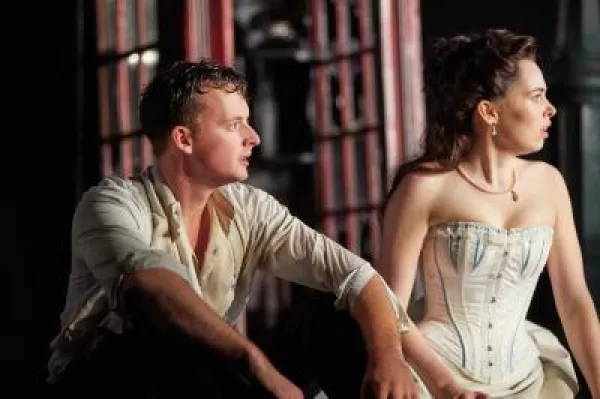
No, An Inspector Calls does not refer to the three most terrifying words Roger Stone, Donald Trump, his children or other purported co-conspirators could hear, nor is the titular character supposed to be Special Counsel Robert Mueller. Rather, the eponymous inspector is spectrally named “Goole” (Liam Brennan) and the title refers to a British drama originally written in 1945 by J.B. Priestley that has been revived by the National Theatre of Great Britain in an award-winning production directed by the celebrated English helmer of stage and screen, Stephen Daldry.
An Inspector Calls is set in 1910 at Brumley, a fictitious industrial city in Yorkshire, England. Calls is genre defying, sort of as if a Christian medieval morality play meets a whodunit meets proletarian drama meets a far out Outer Limits episode. However, whereas Britain’s postwar cycle of hard-hitting Kitchen Sink plays prominently featured proletarian characters, with the exception of Inspector Goole, Calls’ five other main human characters are all members of Britain’s upper crust.
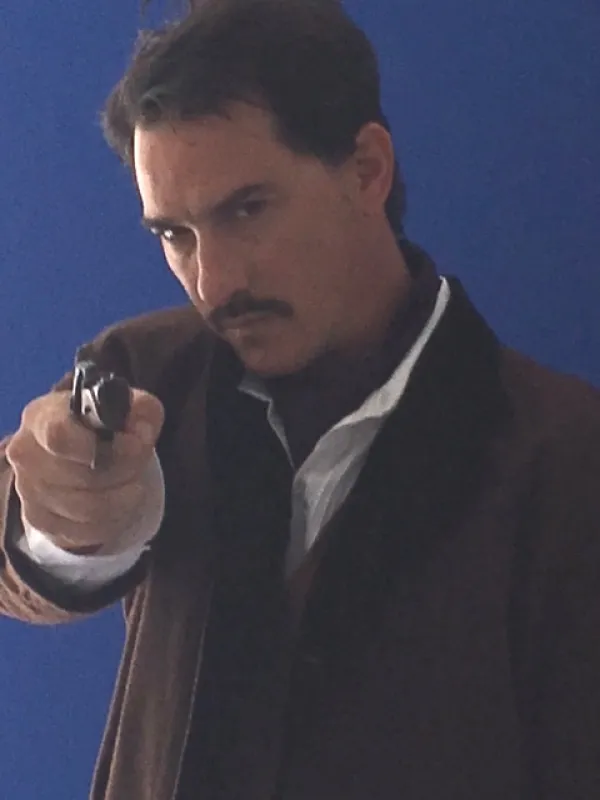
Despite the fact that Stephen Spiegel portrays a character named Booth, the actor does anything but phone his performance in. Indeed, Spiegel kills as America’s archetypal assassin in An Evening with John Wilkes Booth. Co-written (with Clinton Case) and directed by Lloyd Schwartz, this one-man show explores the co-conspirator who shot Pres. Lincoln as a celebrated actor, ladies man, individual and, oh yeah - as a homicidal maniac and drunken sot.
Upon entering Theatre West, a recording of “Dixie” was played to set the mood - it’s certainly a very catchy tune, especially if you happen to be a neo-nazi. Along with some racial slurs, this - plus the delirium of a megalomaniacal murderer eloquently spewed by Spiegel - are among the challenges 21st century theatergoers must endure to experience this excursion into the mind of the man who murdered Abraham Lincoln, arguably our greatest president.
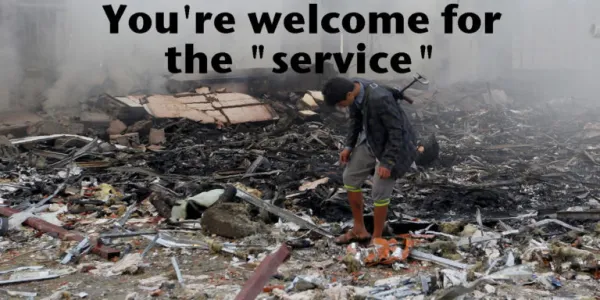
Shutdown or no shutdown, not a single war, base-construction project, or war ship has been halted in its course, and the National Commission on Military, National, and Public Service released its “interim report” on Wednesday.
The report comes after a lengthy period of collecting public comments and holding public hearings. At World BEYOND War we encouraged people to submit comments on the following themes, and we know that a great many people did so:
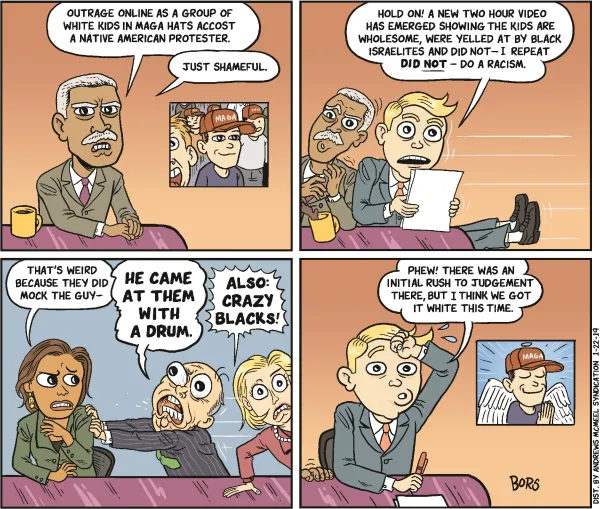
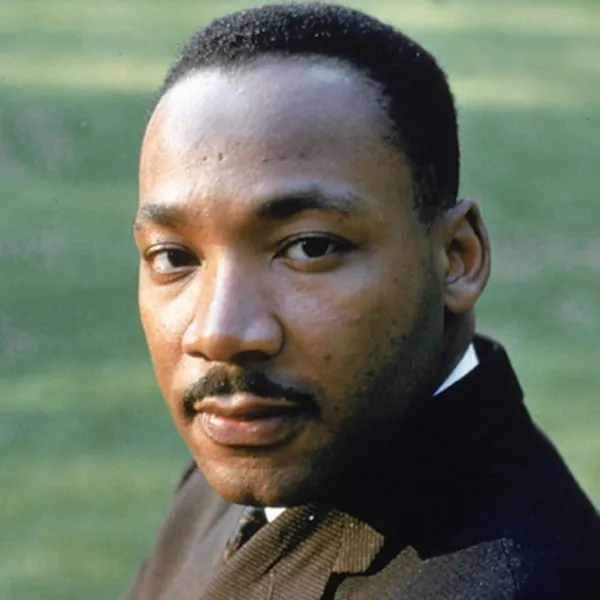
Mike Pence, in his attempt the other day to commandeer the spirit of Martin Luther King to shill for his boss’s agenda, unintentionally did so much more. He brought the enormity of King’s vision back into national awareness, where it shattered the Trump Wall of Fear just as resoundingly as it shattered Jim Crow America more than half a century ago.
Let us once again embrace the infinite.
(Dr Nass justifiably suspects that the NY Times editorial board’s Opinion piece was ghost-written by some anonymous, well-paid medical communication company that is in the employ of Big Pharma. Read the original piece at: https://www.nytimes.com/2019/01/19/opinion/vaccines-public-health.html)